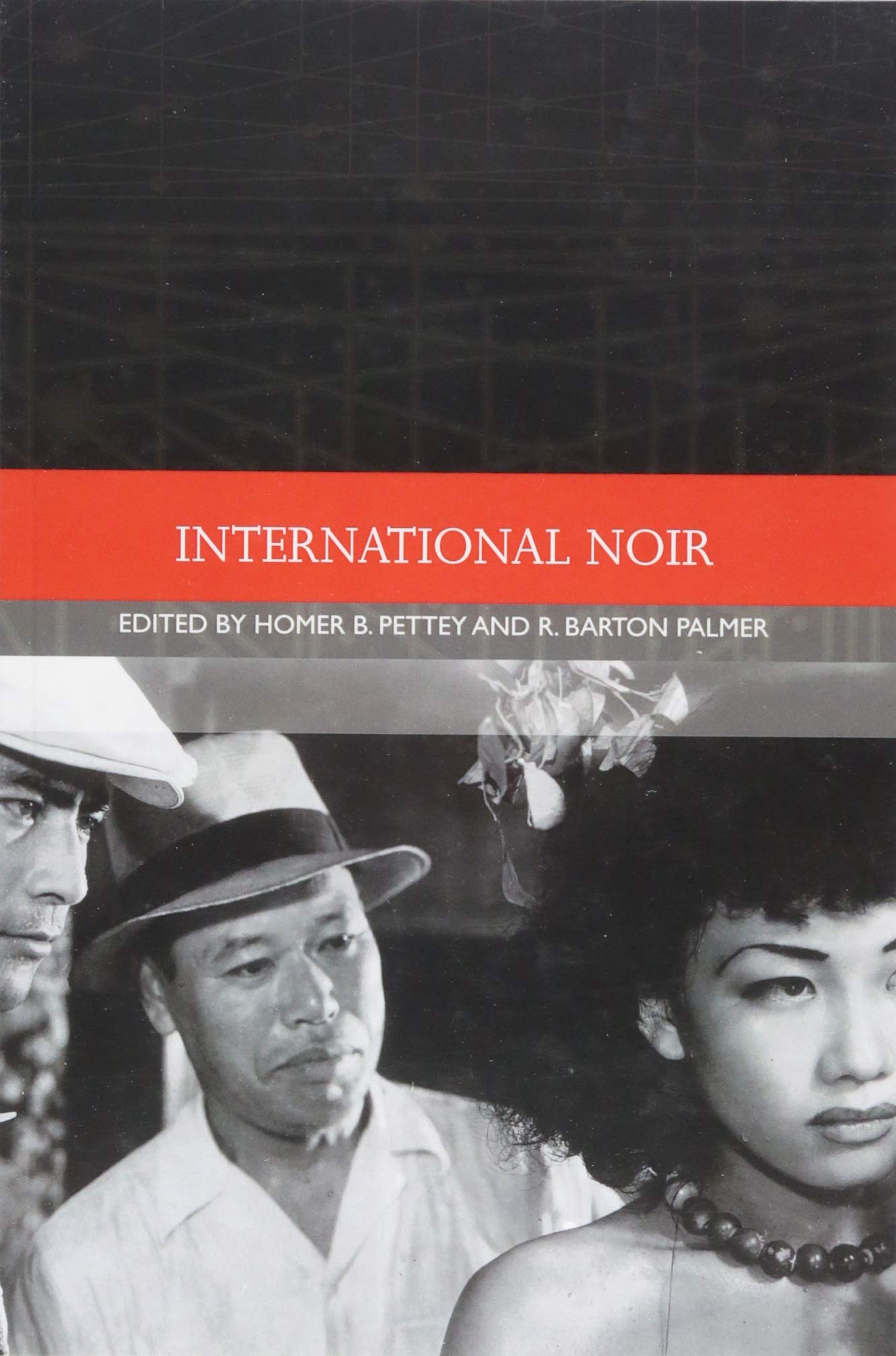



Following World War II, film noir became the dominant cinematic expression of Cold War angst, influencing new trends in European and Asian filmmaking. International Noir examines film noir’s influence on the cinematic traditions of Britain, France, Scandinavia, Japan, Hong Kong, Korea, and India. This book suggests that the film noir style continues to appeal on such a global scale because no other cinematic form has merged style and genre to effect a vision of the disturbing consequences of modernity. International noir has, however, adapted and adopted noir themes and aesthetic elements so that national cinemas can boast an independent and indigenous expression of the genre. Ranging from Japanese silent films and women’s films to French, Hong Kong, and Nordic New Waves, this book also calls into question critical assessments of noir in international cinemas. In short, it challenges prevailing film scholarship to renegotiate the concept of noir. Ending with an examination of Hollywood’s neo-noir recontextualization of the genre, and post-noir’s reinvigorating critique of this aesthetic, International Noir offers Film Studies scholars an in-depth commentary on this influential global cinematic art form, further offering extensive bibliography and filmographies for recommended reading and viewing. International Noir offers unique, innovative thoughts on a mode of cinema that one would have thought had nothing new to offer up to critical thought. By moving refreshingly beyond common approaches to Noir as a quintessential American form to its broader emplacement in global contexts, the volume makes Noir vibrate with all the energy of geopolitics and confirms its importance as a fraught symptom of our modernity -- Dana Polan, New York University 'International Noir provides a fascinating overview of the issues and concerns that each country’s cinema culture brings when they adapt or develop films which can be labelled as ‘film noir’. This volume will provide a good first point of contact for researchers interested in the international reach of noir; each chapter surveys the film landscape of a particular country, highlighting key issues and critical sources for further scholarly exploration.' -- Maxine Gee, University of York ― Historical Journal of Film, Radio and Television Examines the influence of film noir on visual narrative and technique in global cinematic traditions Traditions in World CinemaGeneral Editors: Linda Badley and R. Barton PalmerFounding Editor: Steven Jay SchneiderThis series introduces diverse and fascinating movements in world cinema. Each volume concentrates on a set of films from a different national, regional or, in some cases, cross-cultural cinema which constitute a particular tradition.INTERNATIONAL NOIREdited by Homer B. Pettey and R. Barton Palmer International Noir offers unique, innovative thoughts on a mode of cinema that one would have thought had nothing new to offer up to critical thought. By moving refreshingly beyond common approaches to Noir as a quintessential American form to its broader emplacement in global contexts, the volume makes Noir vibrate with all the energy of geopolitics and confirms its importance as a fraught symptomof our modernity. Dana Polan, Professor of Cinema Studies, New York UniversityExamines the influence of film noir on visual narrative and technique in global cinematic traditionsFollowing World War II, film noir became the dominant cinematic expression of Cold War angst, influencing new trends in European and Asian filmmaking. International Noir examines film noir s influence on the cinematic traditions of Britain, France, Scandinavia, Japan, Hong Kong, Korea and India.This book suggests that the film noir style continues to appeal on such a global scale because no other cinematic form has merged style and genre to effect a vision of the disturbing consequences of modernity. International noir has, however, adapted and adopted noir themes and aesthetic elements so that national cinemas can boast an independent and indigenous expression of the genre. Ranging from Japanese silent films and women s films to French, Hong Kong and Nordic New Waves, this book also calls into question critical assessments of noir in international cinemas. In short, it challenges prevailing film scholarship to renegotiate the concept of noir.Ending with an examination of Hollywood s neo-noir recontextualisation of the genre, and post-noir s reinvigorating critique of this aesthetic, International Noir offers Film Studies scholars an in-depth commentary on this influential global cinematic art form, further offering extensive bibliography and filmographies for recommended reading and viewing.Homer B. Pettey is Associate Professor of literature and film at the University of Arizona.R. Barton Palmer is the Calhoun Lemon Professor of Literature at Clemson University. Traditions in World CinemaGeneral Editors: Linda Badley and R. Barton PalmerFounding Editor: Ste