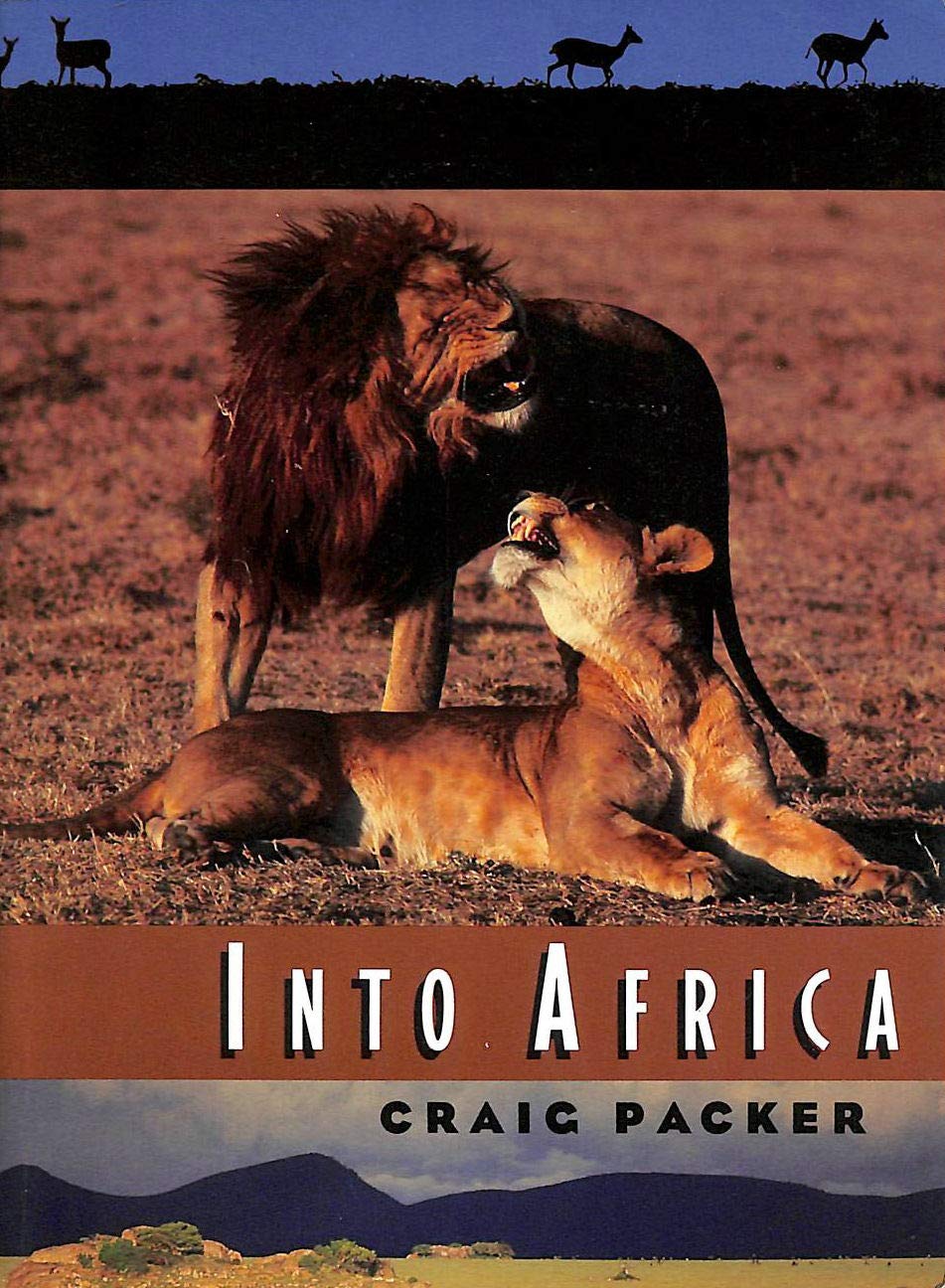



Craig Packer takes us into Africa for a journey of fifty-two days in the fall of 1991. But this is more than a tour of magnificent animals in an exotic, faraway place. A field biologist since 1972, Packer began his work studying primates at Gombe and then the lions of the Serengeti and the Ngorongoro Crater with his wife and colleague Anne Pusey. Here, he introduces us to the real world of fieldwork—initiating assistants to lion research in the Serengeti, helping a doctoral student collect data, collaborating with Jane Goodall on primate research. As in the works of George Schaller and Cynthia Moss, Packer transports us to life in the field. He is addicted to this land—to the beauty of a male lion striding across the Serengeti plains, to the calls of a baboon troop through the rain forests of Gombe—and to understanding the animals that inhabit it. Through his vivid narration, we feel the dust and the bumps of the Arusha Road, smell the rosemary in the air at lunchtime on a Serengeti verandah, and hear the lyrics of the Grateful Dead playing off bootlegged tapes. Into Africa also explores the social lives of the animals and the threats to their survival. Packer grapples with questions he has passionately tried to answer for more than two decades. Why do female lions raise their young in crèches? Why do male baboons move from troop to troop while male chimps band together? How can humans and animals continue to coexist in a world of diminishing resources? Immediate demands—logistical nightmares, political upheavals, physical exhaustion—yield to the larger inescapable issues of the interdependence of the land, the animals, and the people who inhabit it. “A vivid, day-by-day view of field biologists at work. . . . In the tradition of Jane Goodall and George Schaller, Packer has written an engaging account of his African experience.” ― Publishers Weekly “Packer’s narrative waxes eloquently about the vastness of the migrating herds across the great spaces of the Serengeti. He includes horrific tales of murderous attacks on tourists by bandits. He laments the population pressures compressing the borders of the parks and the severe depletion of wildlife by poachers. He does not suffer fools gladly, rails against the corruption and inefficiency of local bureaucrats, and quite justifiably complains about the ghastly condition of East African roads. . . . An informative and exciting safari.” ― Kirkus “Illuminates the information-gathering methods Packer and other scientists use.” ― Science News “A lucid, informative and highly entertaining account of the fieldwork of an American biologist among the primates at Gombe and the lions of the Serengeti and the Ngorongoro Crater.” ― Economist “Evokes the sights, sounds, and vicissitudes of doing field work in Africa.” ― Washington Post “Lucid, unsentimental, and intellectually compelling. Into Africa serves up animal behavior correctly: as a savory dish that would be ruined by sugar. Those with immature palates may not like it, but grown-ups will. . . . Into Africa is a new kind of animal behavior book. Prior authors have dwelt contemplatively on the minutiae of an animal or a place; Packer doesn’t pause very long anywhere and this gives the book an engaging briskness. Another difference is that readers don’t have to love animals to find this book engrossing; all they need is curiosity.” ― Natural History “Here’s a book to make the budding wildlife researcher either abandon or reaffirm the calling. . . . Before tuning out, though, be assured that this is a terrific book. Packer readily admits that Africa has cast its spell on him, and the spell has worked its way into his writing. The rhythms of the continent seem all the while to leap off the pages. . . . Commendable on many different levels, this is, above all, an immensely entertaining book.” ― Booklist “So you want to be a field biologist? Into Africa by Craig Packer might just cure you. This journal of Packer’s studies of social animals such as lions and chimpanzees is filled with fascinating data, but also the delightfully disgusting details of living and working in such a wild land. Bureaucrats, bugs, parasites, worms (intestinal and foot!), flukes, busted bottles of animal fecal samples, hyraxes in the engine, viruses and cruel diarrhea take their toll. Surely this is the antidote to watching Streep and Redford in Out of Africa .” -- Vicki Croke ― Boston Globe “Thanks to people with the perseverance of Craig Packer and his students, we can learn about many secrets of Mother Nature. This fieldwork is not a glorified vacation. It is not without danger to live in the bush. There are many tropical diseases, insects and poisonous snakes. We read about kidnapping of students, invasion from Zaire, death of a student falling from a cliff, and time and again the problem with thieves and poachers. Throughout this book Packer keeps us fascinated with his stories of diverse life forms, from