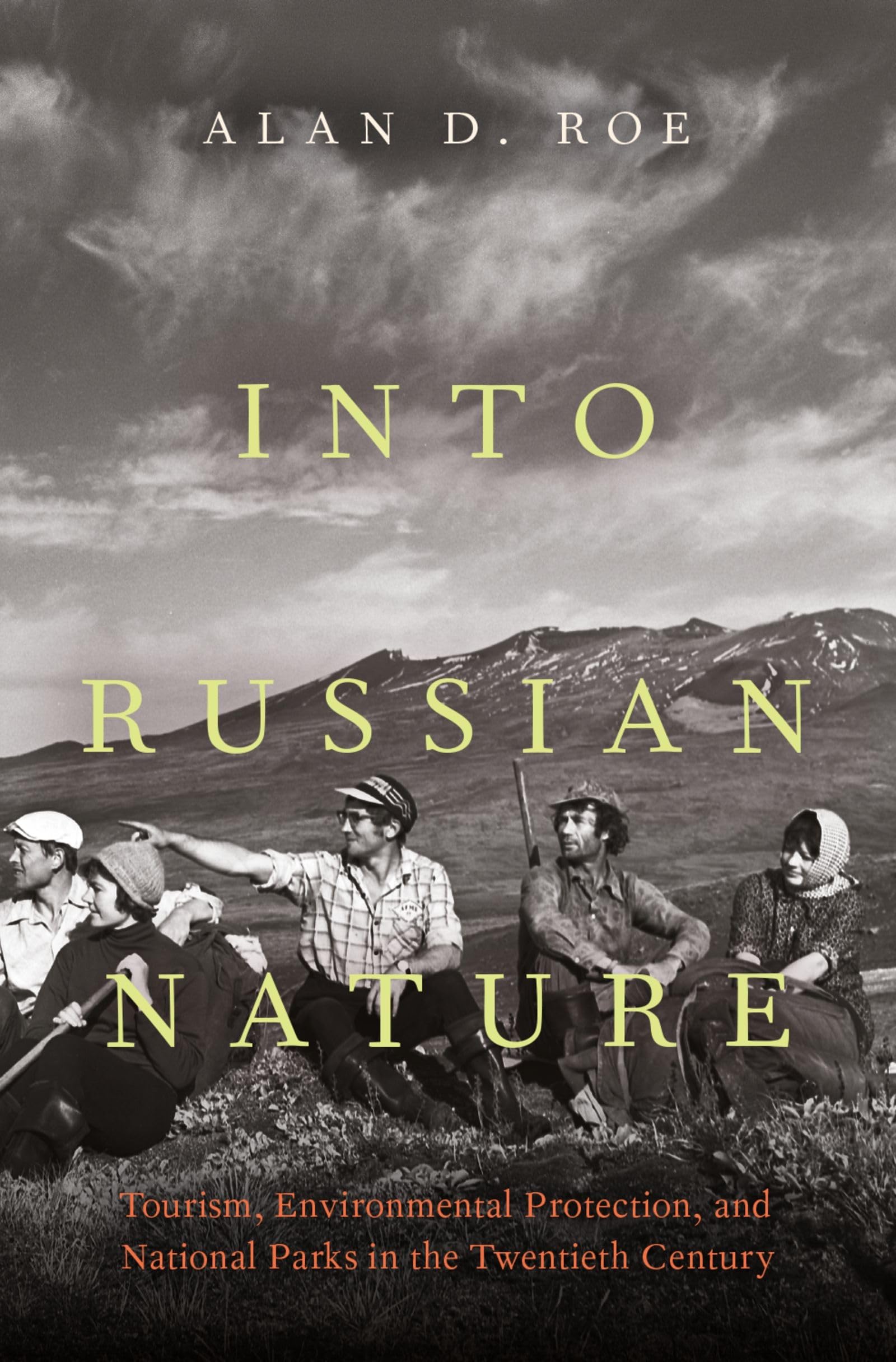
Into Russian Nature: Tourism, Environmental Protection, and National Parks in the Twentieth Century
$36.90
by Alan D. Roe



Since the early twentieth century, nations around the world have set aside protected areas for tourism, recreation, scenery, wildlife, and habitat conservation. In Russia, biologists and geographers had been intrigued with the idea of establishing national parks before the Revolution, but instead persuaded the government successfully to establish nature reserves (zapovedniki) for scientific research during the USSR's first decades. However, as the state pushed scientists to make zapovedniki more useful during the 1930s, some of the system's staunchest defenders started supporting tourism in them. In Into Russian Nature , Alan D. Roe offers the first history of the Russian national park movement. In the decades after World War II, the USSR experienced a tourism boom and faced a chronic shortage of tourism facilities. During these years, Soviet scientists took active part in Western-dominated international environmental protection organizations and enthusiastically promoted parks for the USSR as a means to expand recreational opportunities and reconcile environmental protection and economic development goals. In turn, they hoped they would bring international respect to Soviet nature protection efforts and help instill in Russian/Soviet citizens a love for the country's nature and a desire to protect it. By the end of the millennium, Russia had established thirty-five parks to protect iconic landscapes in places such as Lake Baikal. Meanwhile, national park opponents presented them as an unaffordable luxury during a time of economic struggle, especially after the USSR's collapse. Despite unprecedented collaboration with international organizations, Russian national parks received little governmental support as they became mired in land-use conflicts with local populations. Exploring parks from European Russia to Siberia and the Far East, Into Russian Nature narrates efforts, often frustrated by the state, to protect Russia's vast and unique physical landscape. "A truly breathtaking story about Soviet nature and protected areas, and Soviet environmentalists and their quixotic struggle with bureaucratic and ideological windmills. It is a story about Soviet scientists, their plans and dreams related to national parks and nature conservation. It is also about the birth of the green movement in the USSR and its connections with the West, and about the phenomenon of Soviet tourism, as well as about disappointments and crushed hopes. The book is based on a vast range of primary sources: Roe uses data from the Russian state, local and private archives, newspaper publications, interviews with participants and photos and maps." -- Aleksandr Osipov, Environment and History "An engaging and surprisingly optimistic exploration of a mostly disheartening topic....Roe...examines a fresh topic that has been surprisingly neglected: the formation of a Soviet and post-Soviet Russian national park system....Even after the breakup of the Soviet Union, Russia remains the largest country in the world, containing huge amounts of terrain designated for protection and much more that ought to be managed wisely. Whether these lands will receive the stewardship they deserve remains an open question at the end of Into Russian Nature ." -- Christopher Ely, Slavic Review "Thoroughly enjoyable... Roe's work paints a picture of a country aware of its beauty but ambivalent over how to effectively preserve it. According to Roe, the historical reason for this is the state's unwillingness to fully acquiesce to a foreign model despite the persistent expert belief in its superiority. The result is not only a fractured national park infrastructure but also a cultural and social myopia concerning nature conservation among average Russian tourists and nature seekers." -- Alexander Herbert, H-Russia, H-Net Reviews " Into Russian Nature ...contains plenty of historical richness and the book makes a major contribution not only to Russian environmental history but also to the broader international history of national parks and the history of the Cold War." -- Adrian Howkins, American Historical Review "a comprehensive, excellent and engaging history" -- David Ostergren, Slavonic and East European Review "Roe's work paints a picture of a country aware of its beauty but ambivalent over how to effectively preserve it. According to Roe, the historical reason for this is the state's unwillingness to fully acquiesce to a foreign model despite the persistent expert belief in its superiority. The result is not only a fractured national park infrastructure but also a cultural and social myopia concerning nature conservation among average Russian tourists and nature seekers." -- Alexander Herbert, H-Net: Humanities and Social Sciences Online "Roe exploits primary sources from an extensive roster of archives to portray the experiences of Russian and Soviet naturalists as they laid grand plans to build a national park system along romanticized, nat