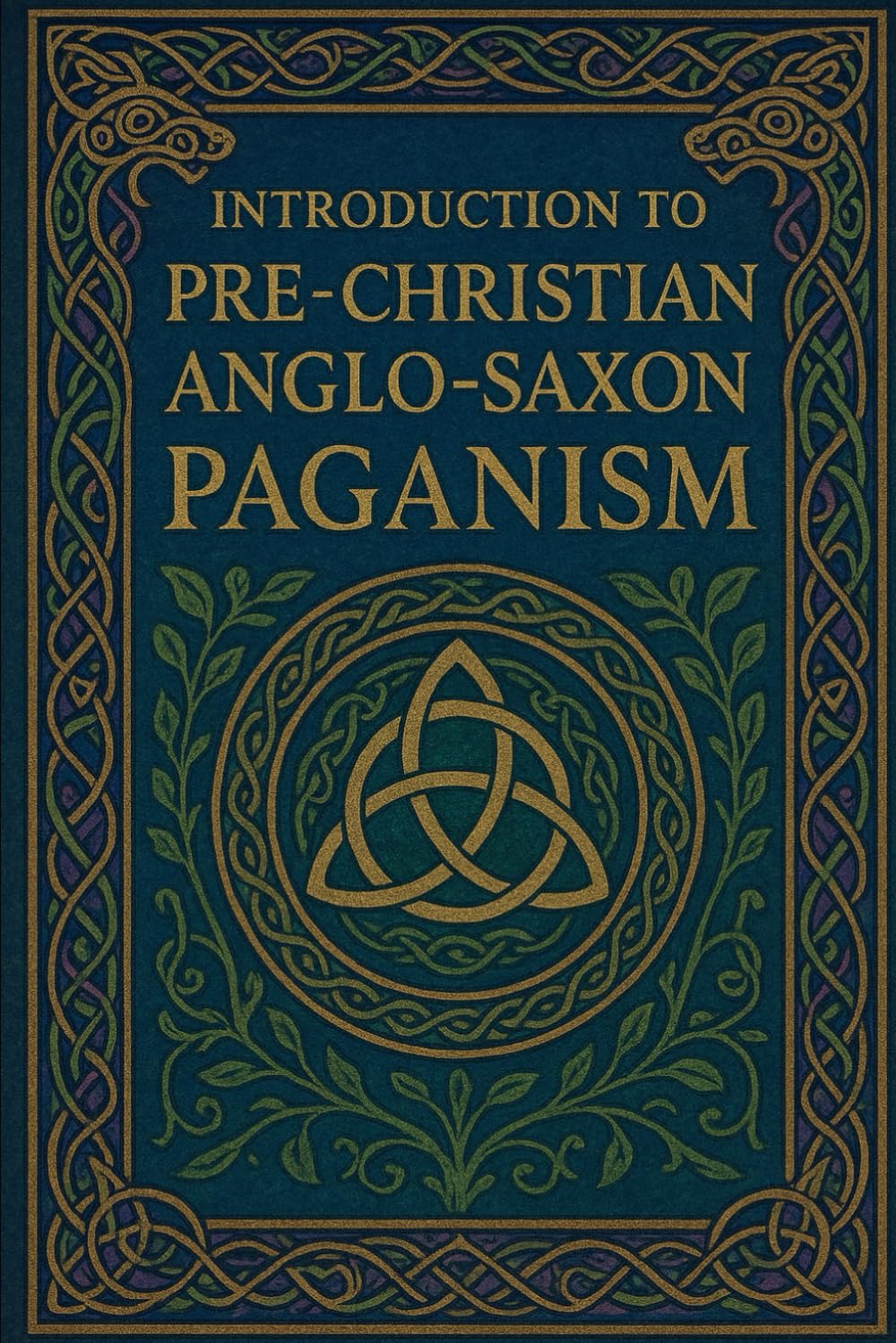



Introduction to Pre-Christian Anglo-Saxon Paganism delves into the rich, complex, and often overlooked spiritual world of early medieval England. Long before the spread of Christianity, the Anglo-Saxons lived in a universe alive with gods, goddesses, spirits, and sacred landscapes. This book offers a comprehensive exploration of their beliefs, rituals, and cultural practices, revealing a society where spirituality, morality, and daily life were inseparably intertwined. From the towering figure of Woden, the god of wisdom and war, to Thunor, the lord of thunder, and Frige, the guardian of home and family, readers will discover the full pantheon of Anglo-Saxon deities and lesser spirits, and the ways they shaped human action and communal life. The text examines sacred sites, from hilltops and groves to burial mounds and ritual centers, illustrating how the landscape itself was imbued with spiritual meaning. Through detailed discussions of festivals, rites of passage, divination, and warrior culture, the book brings to life the lived experience of pagan Anglo-Saxons, highlighting the ethical, heroic, and cosmic principles that guided their world. Special attention is given to the transition from paganism to Christianity, showing how beliefs adapted and persisted even as new religious frameworks emerged. Modern connections are also explored, tracing the influence of Anglo-Saxon paganism on literature, folklore, and neo-pagan movements today. Appendices provide a timeline of historical events, a glossary of deities and concepts, and a guide to key archaeological sites, offering readers both a practical reference and an immersive journey into the spiritual imagination of pre-Christian England. Whether you are a historian, spiritual seeker, or enthusiast of ancient cultures, Introduction to Pre-Christian Anglo-Saxon Paganism opens a window into a forgotten faith, offering insight into the gods, rituals, and values that shaped early English life and left a legacy that resonates even in the modern imagination.