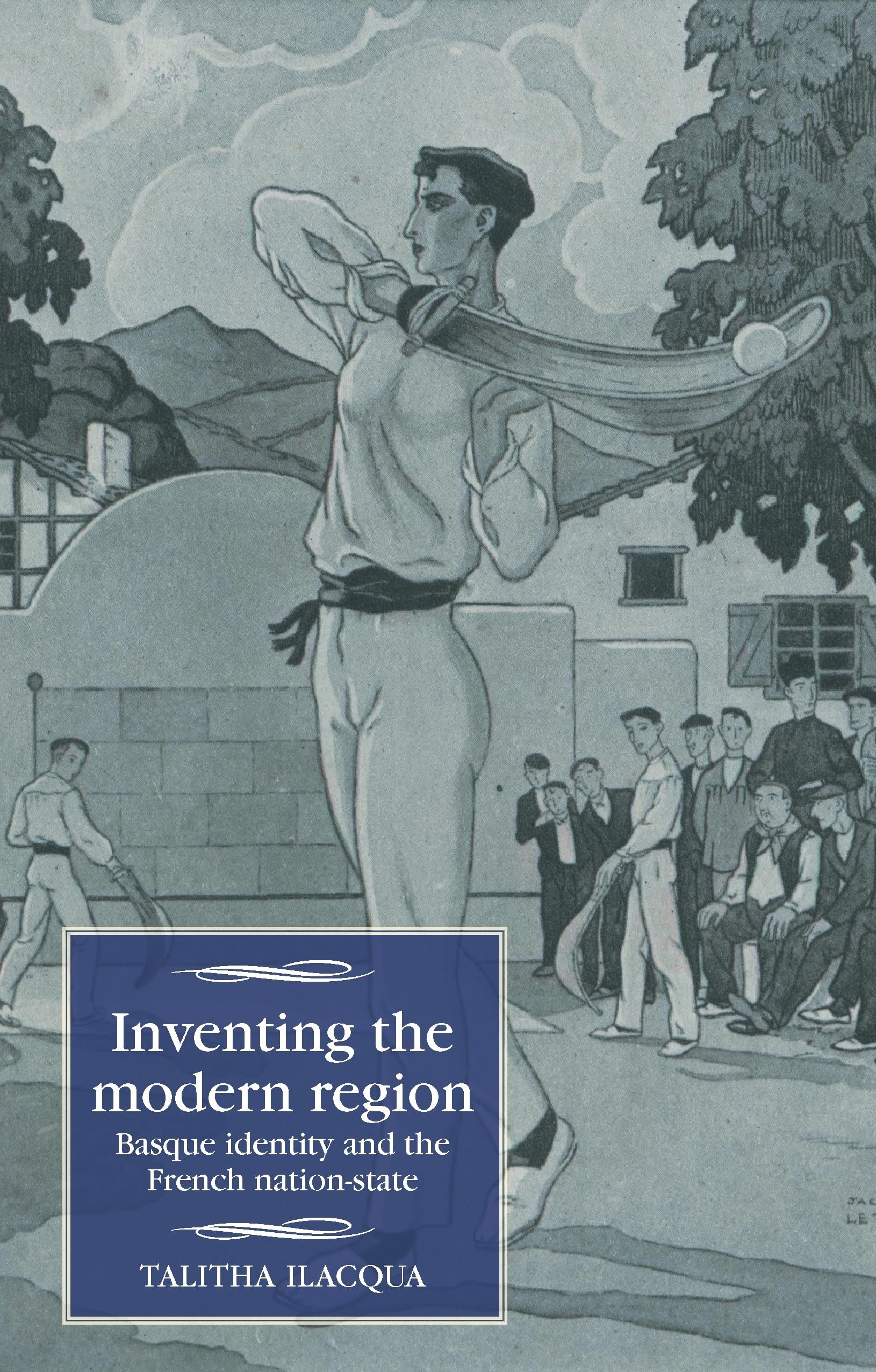
Inventing the modern region: Basque identity and the French nation-state (Studies in Modern French and Francophone History)
$36.95
by Talitha Ilacqua



This book explores the process by which the French Basque country acquired a folkloric regional identity in the long nineteenth century. It argues that, despite its origins in pre-modern customs, this stereotypical identity was invented as part of France’s process of nation-building. The abolition of privileges in 1789 prompted a new interest in local culture as the defining feature of provincial France, shaping the transition from the pre-‘modern’ province to the ‘modern’ region. The relationship between the region and the nation, however, was difficult. Regional culture favoured the integration of the French Basque provinces into the French nation-state but also challenged the authority of the central state. As a result, Basque region-building reveals the strengths and weaknesses of the unitary model of French nationhood, in the nineteenth century as well as today. 'The book is a must-read for historians of modern France and its regions and will make a major contribution to the field.' Winner of the SSFH Book Prize Inventing the modern region examines the French Basque country’s process of acquisition of a folkloric regional identity in the long nineteenth century. It suggests that albeit originating in pre-‘modern’ customs, such stereotypical identity was not the product of ancestral tradition – but was invented in the long nineteenth century as part of France’s process of nation-building. Similar to Germany, in France the cultivation of the region became a crucial and validating aspect of nation-formation, which helped citizens identify more easily with the grande patrie . This book maintains that the turning point in the creation of the ‘modern’ region was the French Revolution of 1789. On the one hand, regional culture favoured the integration of the French Basque provinces into the French nation-state. On the other, it strengthened local pride, which often challenged the authority of the central state. The story of Basque region-building in the age of French nationalism is revealing of the oxymoronic relationship between Jacobin centralisation and omnipresent regionalism that has defined the dominant idea of France since 1789. Such paradox continues to create tensions that expose the strengths and weaknesses of the unitary model of French nationhood. This book contributes to a growing body of historiography that regards Europe’s regional identities as both a product of nationalism and an inherent aspect of nation-building. Talitha Ilacqua is Career Development Fellow in Modern European History at Durham University