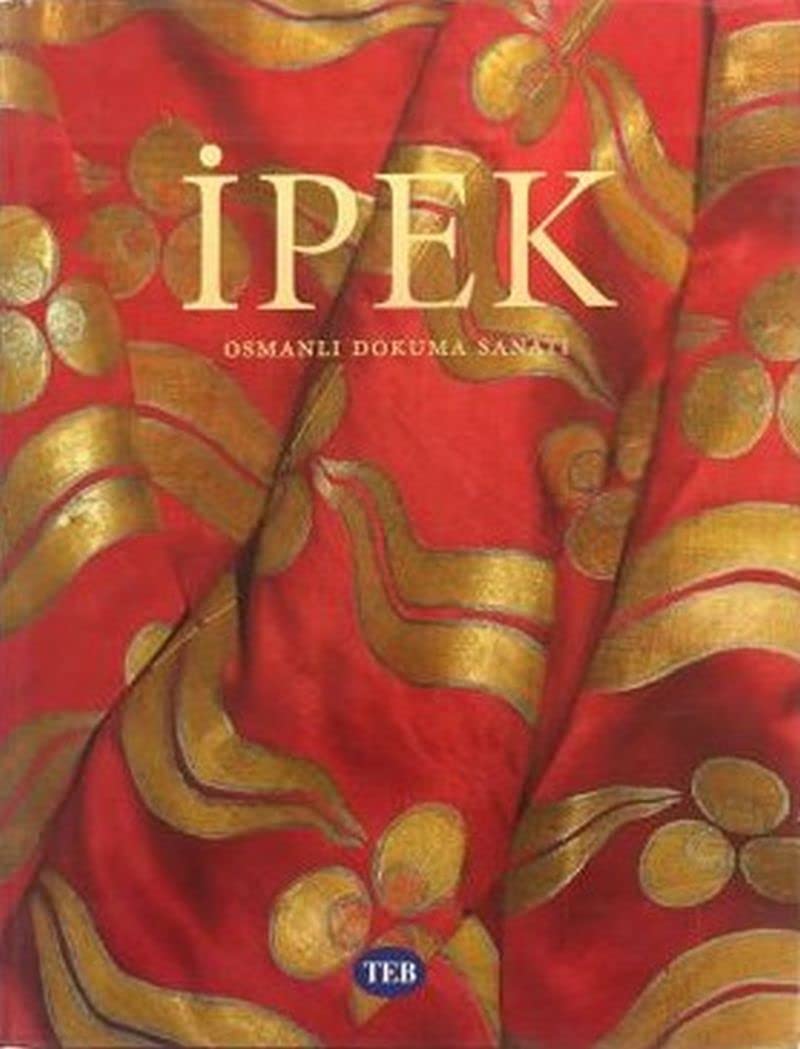



Status symbols, diplomatic gifts, artistic mediums and economic treasures--figured silk fabrics were among the most powerful and most characteristic artistic products of the Ottoman Empire. Wars were fought for control of silk revenues, and governments devoted major bureaucratic efforts toward the organization, regulation and taxation of silk production. Ipek: The Crescent & the Rose is the most comprehensive and magnificently illustrated overview of Ottoman silk textiles of the sixteenth and seventeenth centuries. Its lavish, full-bleed, six-color reproductions of fabrics from the Topkapi Palace in Istanbul, and from lesser-known ecclesiastical treasuries in the Balkans, Sweden, Poland and Russia, demonstrate the creativity of Ottoman weavers in rich detail, and will appeal to anyone with an interest in design or a general appreciation for visual delights. Accompanied by scholarly essays that shed light on the different historical, legislative, economic and technological factors that determined the history of these textiles. In the court of the sultan, the clothes really did make the man; silk garments in particular indicated a person's station and power. Focusing on silk textiles produced at the height of the Ottoman Empire, the 16th and 17th centuries, this superbly organized book combines detailed scholarship with fantastic illustrations. The authors are all authorities in the fields of Turkish art, Islamic art, and textiles, and their expertise really shines. Chapters focus on the cultural and economic influence of silk textiles, styles, and weaves and include sections describing silk manufacturing from beginning to end. The true splendor of this book is the color photography of fabric and garments up to five centuries old. These pictures are an exquisite experience, quickly enveloping the viewer in the sense of opulence and royalty the textiles were meant to convey. While expensive, this book provides superior coverage of its topic. Highly recommended for larger public and academic libraries. Karen Ellis, Nicholson Memorial Lib. Syst., Garland, Copyright 2002 Cahners Business Information, Inc. Nurhan Atasoy, formerly Professor and Dean of the Faculty of Letters, Istanbul University, is a distinguished lecturer, author, and organizer of exhibitions on the history of the arts in Turkey. Among her major projects are the international traveling exhibition "The Anatolian Civilisations" and a previous book "Iznik: The Pottery of Ottoman Turkey." Walter Denny is Professor of Art History and Middle Eastern Studies at the University of Massachusetts, and Honorary Curator of Carpets and Textiles at the Harvard University Art Museums. Louise W. Mackie is Curator of Textiles and Islamic Art at the Cleveland Museum of Art. Hulya Tezcan is Curator of Textiles at the Topkapi Palace Museum in Istanbul, and Assistant Professor in the Master's program at the Yildiz Technical University in Instanbul. She has previously written a catalog in Arabic on the textile coverings for the Kaaba in Mecca.