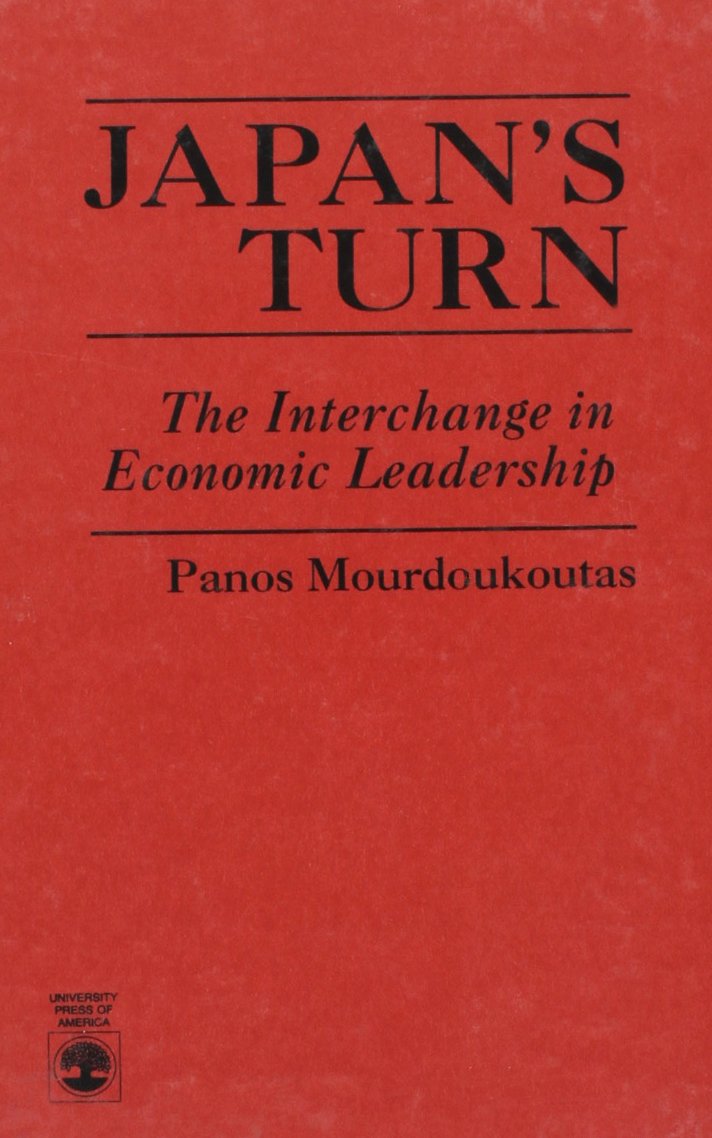



With a lead in microelectronics applications and flexible institutions, Japan, rather than Europe, is to succeed the United States' economic leadership in the post-Soviet era. This book is an inquiry into the transition economics of this era and the differences between the American and Japanese economic problems. Contents: Introduction; PART I. Economic Performance, Resources and Institutions; The Japanese Economy and Government: An Overview; The Japanese Corporation and Industry; Employment Relations; Assimilation of New Technology: Labor Adjustment; PART II. Economic Relations with the U.S. and the Pacific; The Anatomy of the Japanese Trade Surplus; Japanese Direct Investment in the U.S.; Japan and the Region; Japan in the 21st Century: An Unusual Leadership. Tables and graphs with each chapter. [The author] presents us with an extensive overview of Japan's economic and technological strengths. He does a good job of bringing together many Japanese and non-Japanese sources to support his thesis that Japan will become the world's dominant economic power.>>> (Carlos Fortin The Daily Yomiuri ) this volume provides a good brief overview of the Japanese economy and government policies. In addition, the author provides insight into the Japanese corporation, industry and employment relations.>>>> (Carlos Fortin Journal Of Asian Business ) [The book] offers a review of major aspects of the Japanese economy and its trade and investment relations with the U.S. and the Pacific region. The treatment is detailed and comprehensive, offering a wealth of data within a clear analytical framework. Overall, it provides a thorough assessment of the factors that account for Japan's spectacular rise to major economic power status as well as for the economic problems it's facing today. Written in a lively and lucid style, it makes required reading for anyone seriously interested in Japan's economic history and in the workings of the Japanese economic system.>> (Carlos Fortin) [The book] offers a review of major aspects of the Japanese economy and its trade and investment relations with the U.S. and the Pacific region. The treatment is detailed and comprehensive, offering a wealth of data within a clear analytical framework. Overall, it provides a thorough assessment of the factors that account for Japan's spectacular rise to major economic power status as well as for the economic problems it's facing today. Written in a lively and lucid style, it makes required reading for anyone seriously interested in Japan's economic history and in the workings of the Japanese economic system. (Carlos Fortin) [The author] presents us with an extensive overview of Japan's economic and technological strengths. He does a good job of bringing together many Japanese and non-Japanese sources to support his thesis that Japan will become the world's dominant economic power. (Carlos Fortin The Daily Yomiuri ) this volume provides a good brief overview of the Japanese economy and government policies. In addition, the author provides insight into the Japanese corporation, industry and employment relations. (Carlos Fortin Journal Of Asian Business ) Panos Mourdoukoutas is Associate Professor of Economics at Long Island University.