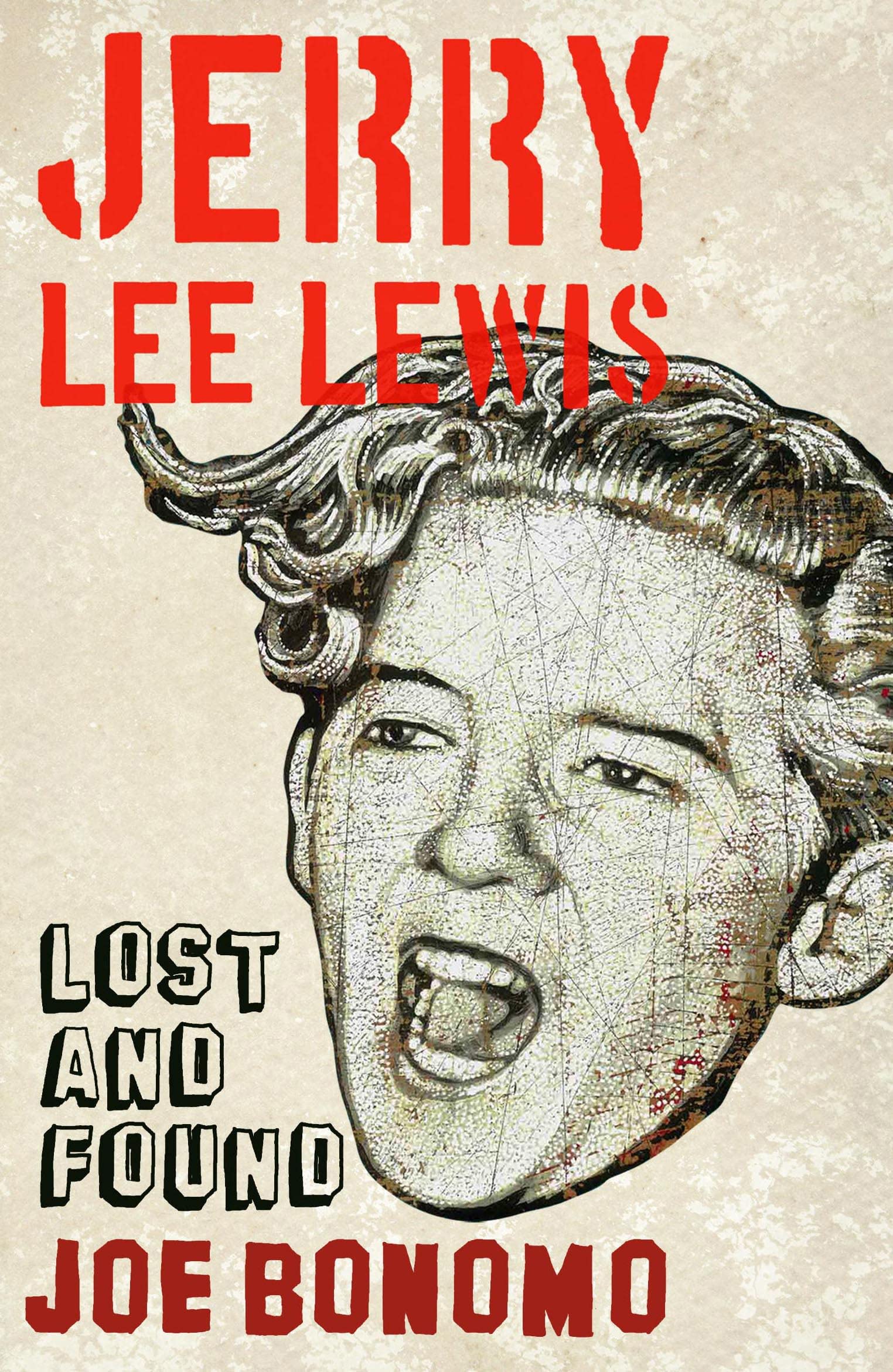



Chronicles Jerry Lee Lewis's life during the aftermath of his scandalous marriage, the taping of the live album, "Live at the Star Club" in Hamburg, battles with record labels and drugs, and brief country music career. Besides “Whole Lotta Shakin’ Goin’ On” and “Great Balls of Fire,” the best-known fact anent Jerry Lee Lewis is that marrying his 13-year-old second cousin scuttled his rocketing young career. Bonomo launches his appreciation of Lewis from that event, homing in on Lewis’ first British tour, at the beginning of which the news was broken. A mass cancellation followed, and back home it became hard to get new Lewis records airplay. Lewis hit the road heavily to maintain his lifestyle (which came to include hitting booze and pills pretty hard, too) and eventually scored big time on the country charts in the late 1960s. Between rock and country stardom, however, he returned to Britain in 1962 and 1963 and, concluding the ’63 jaunt in Hamburg, Germany, recorded one of the acknowledged greatest live albums ever. Accounting for every aspect of that record is the loving heart of Bonomo’s tribute, and he continues to thoughtfully evaluate Lewis’ country albums. The intrinsically interesting Jerry Lee and Bonomo’s good judgment compensate for too much rock-crit boilerplate. --Ray Olson Besides Whole Lotta Shakin Goin On and Great Balls of Fire, the best-known fact anent Jerry Lee Lewis is that marrying his 13-year-old second cousin scuttled his rocketing young career. Bonomo launches his appreciation of Lewis from that event, homing in on Lewis first British tour, at the beginning of which the news was broken. A mass cancellation followed, and back home it became hard to get new Lewis records airplay. Lewis hit the road heavily to maintain his lifestyle (which came to include hitting booze and pills pretty hard, too) and eventually scored big time on the country charts in the late 1960s. Between rock and country stardom, however, he returned to Britain in 1962 and 1963 and, concluding the 63 jaunt in Hamburg, Germany, recorded one of the acknowledged greatest live albums ever. Accounting for every aspect of that record is the loving heart of Bonomo s tribute, and he continues to thoughtfully evaluate Lewis country albums. --Booklist Way back in the early 1960s, Hunter S. Thompson established what came to be known as gonzo journalism. Popular music journalists such as Lester Bangs and Nick Tosches adapted the form to fit their needs. Bonomo channels their styles in this three-part study about rock and n roll star Jerry Lee Lewis s fall from grace owing to his marriage with a teenage second cousin; his return to artistic and commercial viability in 1964 when, in Hamburg, Germany, he recorded one of the greatest live rock n roll albums; and, finally, his turn toward country music in the late 1960s. Writing in a no-holds-barred style, Bonomo is at times vulgar, intriguing, controversial, insightful, and inciting. ...Those willing to take a chance on this nonstandard biography, complete with graphic sexual allusions, musings on commercialism, and shots of raw emotion, is recommended for pop culture hounds. --Library Journal Joe Bonomo manages to tell the (fascinating) back story while capturing the excitement of what may be the greatest live album ever recorded. --James 'The Hound' Marshall Joe Bonomo teaches in the English Department of Northern Illinois University. He is the author of Sweat: The Story of the Fleshtones, America's Garage Band (Continuum 2007), and Installations (Penguin), a collection of prose poems. His personal essays and prose poems have appeared in numerous literary journals. From The Washington Post's Book World/washingtonpost.com Reviewed by Dennis Drabelle In the typical 1950s rock and roll movie, restless teenagers run afoul of a prune-puss -- a clergyman, say, or the town mayor -- who insists that rock music leads to debauchery and therefore should be banned. But common sense prevails when a with-it parent talks the mayor into attending a sock hop, where young couples are seen jitterbugging innocently while some brand-new rock star plays his latest hit. "See," the parent in effect declares, "the kids are all right." Two things should be said about that scenario. First, the prune-pusses were no dummies. Rock is inherently sexual, the '50s beat and lyrics presaged the great '60s lustfest, and the kids may have been all right, but they were also horndogs. Second, if one of the rockers appearing in the movie was Little Richard, his kinetic performances made mincemeat of the everybody-calm-down message the film makers were trying to get across. For English professor David Kirby, author of a new book-length essay on Little Richard, the singer's thunderous impact started with the unforgettable opening gibberish of his first big hit, "Tutti Frutti": "A-wop-bop-a-loo-mop-a-lop-bam-boom!" Of that two-and-a-half-minutes-long cut, Kirby writes, "There is a single greatest rock record, and thi