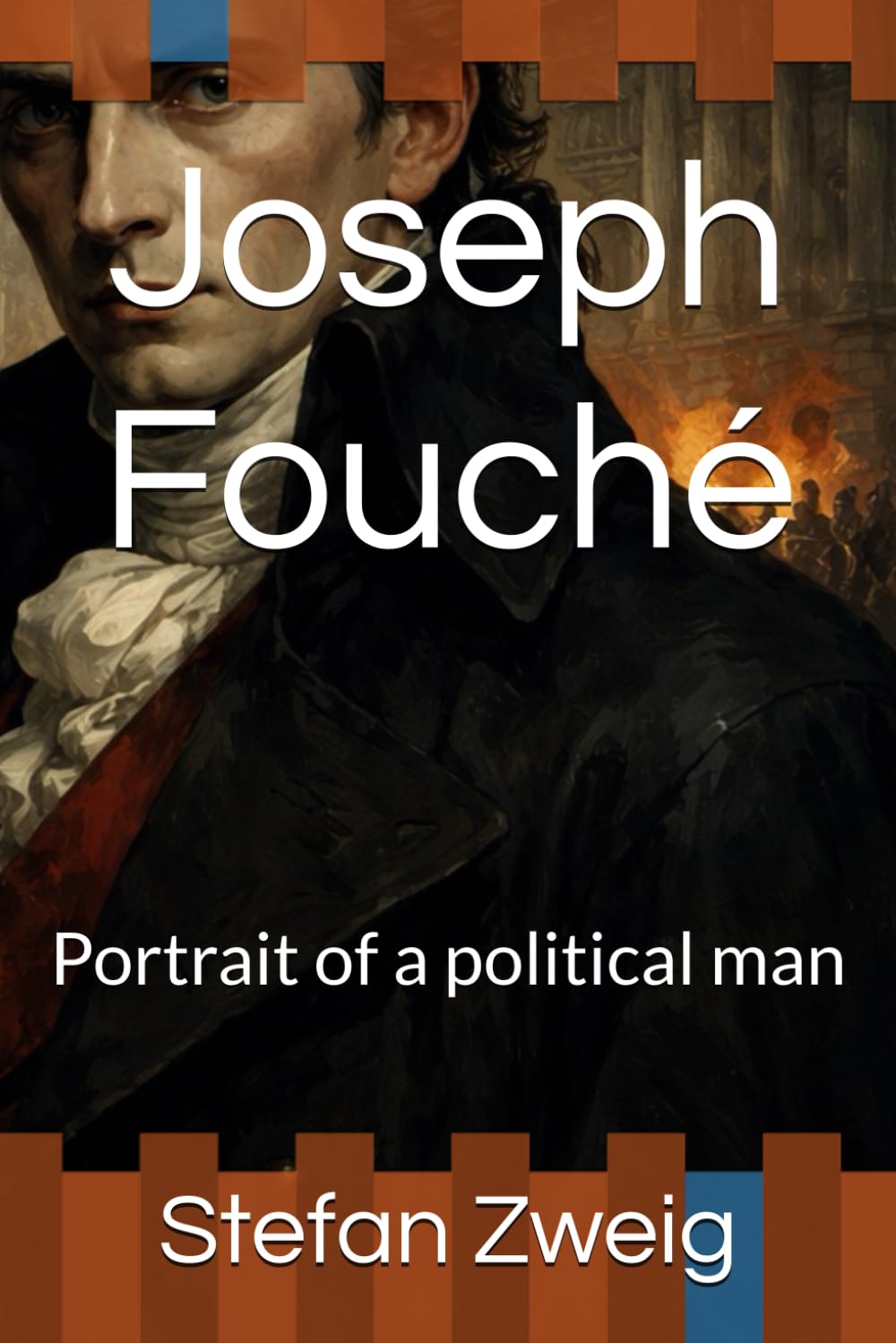



A pale former seminarian steps quietly into the National Convention, where survival depends not on conviction but on calculation. As France convulses in revolution, Joseph Fouché proves himself its most elusive and unsettling figure: when terror rules, he becomes its instrument; when the tide turns, he becomes its arbiter. In Lyons, he unleashes devastation in the name of virtue; in Paris, he helps send yesterday’s executioners to their own deaths. Again and again, he abandons causes, allies, and beliefs—yet never loses power. In this penetrating portrait, Stefan Zweig does not merely recount the events of the French Revolution; he exposes the anatomy of political survival itself. Through Fouché’s transformations—from obscure teacher to regicide, from fanatic to statesman, from servant to master—the book reveals how influence is really won, held, and concealed behind public drama. More than a historical biography, this is a psychological study of power stripped of illusion: a timeless exploration of ambition without loyalty, conviction without belief, and the cold intelligence that thrives when every certainty collapses. Joseph Fouché: Portrait of a political man Independently published ABIS_BOOK