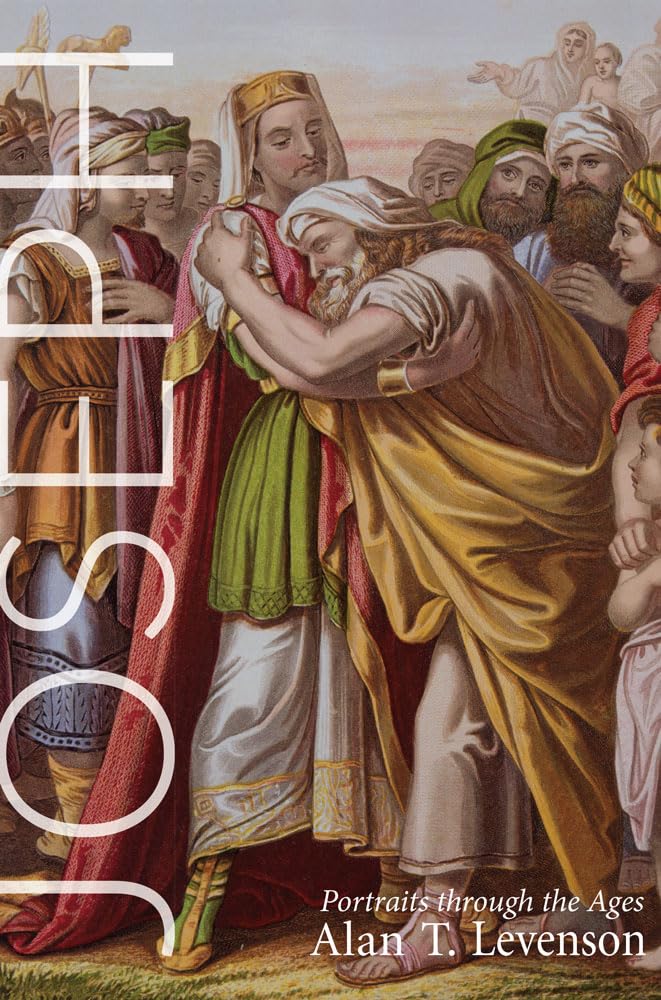



The complex and dramatic story of Joseph is the most sustained narrative in Genesis. Many call it a literary masterpiece and a story of great depth that can be read on many levels. In a lucid and engaging style, Alan T. Levenson brings the voices of Philo, Josephus, Midrash, and medieval commentators, as well as a wide range of modern scholars, into dialogue about this complex biblical figure. Levenson explores such questions as: Why did Joseph’s brothers hate him so? What is achieved by Joseph’s ups and downs on the path to extraordinary success? Why didn’t Joseph tell his father he was alive and ruling Egypt? What was Joseph like as a husband and father? Was Joseph just or cruel in testing his brothers’ characters? Levenson deftly shows how an unbroken chain of interpretive traditions, mainly literary but also artistic, have added to the depth of this fascinating and unique character. "Even those who think that they know the story will find much to contrast and compare and much to learn in this fascinating account of how the later generations found themselves in the age-old story of Joseph and his brothers."—Jack Riemer, Jewish Advocate "An excellent companion to the Joseph story."—Howard Freedman, jweekly.com Published On: 2016-11-03 "This offers one excellent model of how to read a biblical text with care and attention, and should become a key resource for those studying the Joseph narratives."—Richard S. Briggs, Society for Old Testament Study Book List "Levenson has set a place at the table for all interested readers, inviting all to listen in on significant questions in a conversation that has been going on for millennia. . . . I would, without hesitation, recommend this book to anyone with more than a casual interest in the Joseph story, and especially to Bible readers who are unaware of the rich resources of Jewish biblical interpretation. All readers will benefit from Levenson's enthusiasm, scholarship, and broad perspective. Those who have never had a close encounter with Jewish biblical scholarship will come away educated and even perhaps a bit amazed."—Kapali Lyon, Biography “An exciting book. Levenson has a wonderful ability to distill classic and contemporary scholarship and mix it with his own original insights in language every reader will find easy to grasp.”—Marc Lee Raphael, Nathan Gumenick Chair of Judaic Studies at the College of William and Mary Published On: 2016-02-24 “There is simply no other book quite like this. Levenson’s multilayered treatment of the Joseph story, with its Jewish focus and non-Jewish insights interwoven throughout, gives readers the feeling they are being engaged in intimate conversation. Highly recommended.”—Norman A. Stillman, author of The Jews of Arab Lands in Modern Times Published On: 2016-02-24 Alan T. Levenson is the Schusterman/Josey Professor of Jewish History at the University of Oklahoma. He is the author or editor of numerous essays and books, including The Making of the Modern Jewish Bible: How Scholars in Germany, Israel, and America Transformed an Ancient Text ; An Introduction to Modern Jewish Thinkers ; and Between Philosemitism and Antisemitism: Defenses of Jews and Judaism in Germany, 1871–1932 (Nebraska, 2013). Joseph Portraits through the Ages By Alan T. Levenson UNIVERSITY OF NEBRASKA PRESS Copyright © 2016 Alan T. Levenson All rights reserved. ISBN: 978-0-8276-1250-1 Contents Acknowledgments, Introduction, 1. Joseph: Favored Son, Hated Brother, 2. Joseph the Dreamer, 3. Tamar, a Difficult Hero, 4. Potiphar's Wife Vilified and Redeemed, 5. Joseph from Rags to Riches, 6. Testing, Dreaming, Punishing, 7. Judah in Joseph, 8. The Return of Rachel, 9. Adopting Ephraim and Manasseh, 10. Jacob's Valedictory, 11. The Deaths and Burials of Jacob and Joseph, 12. Portraying Egypt in Joseph, Notes, Selected Bibliography, Index, CHAPTER 1 Joseph Favored Son, Hated Brother The conception, birth, and naming of Joseph signals the arrival of a special character. Rachel is described in scripture as an " akarah, " properly translated as "barren woman," but more whimsically rendered as "a woman who eventually gives birth to a terrific baby boy." Sarah and Rebecca bore this appellation, and so will many female heroes later in the Bible, including Hannah and Samson's unnamed mother. In this case Rachel suffers years of conflict with her sister and co-wife, Leah; fruitlessly seeks Jacob's intercession through prayer as his father, Isaac, did for Rebecca; and even attempts primitive fertility treatments in the form of mandrake plants ( dudaim ) purchased from Leah in exchange for Jacob's company at night. Do any of these means employed by Rachel work? No, they do not. Dan and Naphtali, Rachel's two children through Bilhah her handmaid, do not seem to assuage her bitter feelings. After a last burst of child bearing by the fecund Leah, the biblical text turns, matter-of-factly, to what