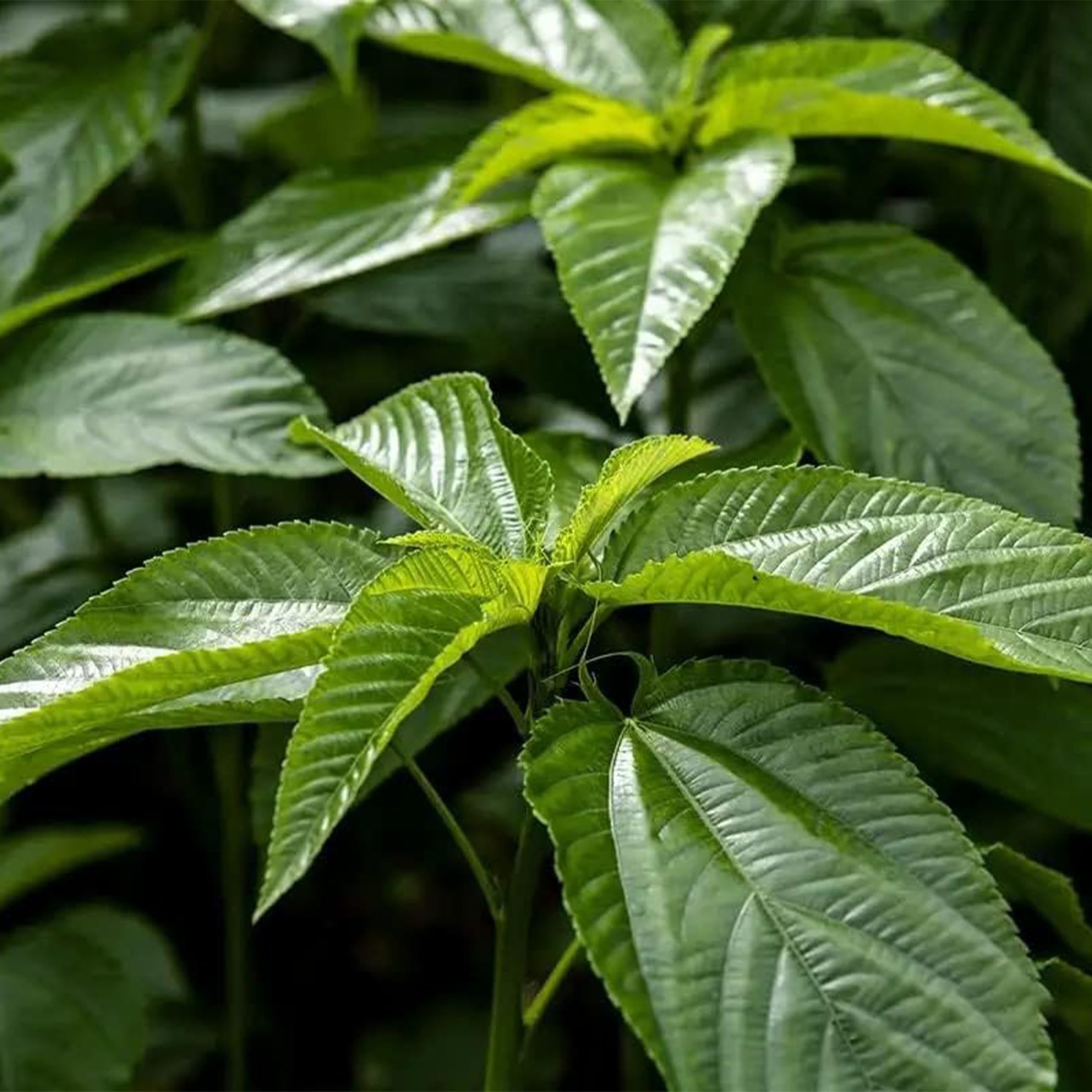



Discover the rich heritage of molokhia Egyptian spinach seeds, scientifically known as Corchorus Olitorius, a warm-season annual treasured across Africa, the Middle East, and beyond. Depending on region, people also call it as: saluyot seeds, rau day seed, jute leaves, Mulukhiyah, molokheyya, jute mallow, tossa jute, koshta, nalta jute, saluyot, molokhia, Jew’s mallow, ayoyo, tororo no, edewu, denje'c'jute, jute leaf, po krachao. It is a staple in many Asian green seeds collections. Growing up to 72" tall. Molokhia's adaptability and fast growth make it a favorite for both traditional farming and modern container setups, appealing to gardeners exploring vegetable planting seeds.
Closely related to jute seeds, saluyot vegetable seed, and nalta jute seeds, molokhia offers dual benefits as a leafy green and a source of durable fiber. Heat-tolerant, excellent alternative to spinach seeds. Regular pruning ensures continuous harvests at 2–3 feet or let it grow more.
In warmer climates, pair molokhia with other Asian vegetable seeds or plant alongside spinach seeds for planting outdoors for a diverse harvest. Perfect for pots, it grows well with drainage & full sun. Start indoors in cooler temperatures, then transplant when > 70°F. For year-round greenery, grow molokhia in an indoor garden under lights to enjoy fresh leaves for soups or teas.
Naturally resilient, molokhia is a perfect addition to collections of organic seeds, suiting those seeking sustainable gardening. Explore jute seeds for planting, jute leaves seeds for planting, or herb seeds for related options. Its cultural significance and versatility make it popular in global garden seeds catalogs.
This hardy plant thrives in high heat, producing lush foliage that surpasses many spinach seeds for planting in challenging climates. Whether you're used to non-GMO spinach seeds or organic spinach seeds, molokhia's flavor and versatility enhance any dish.