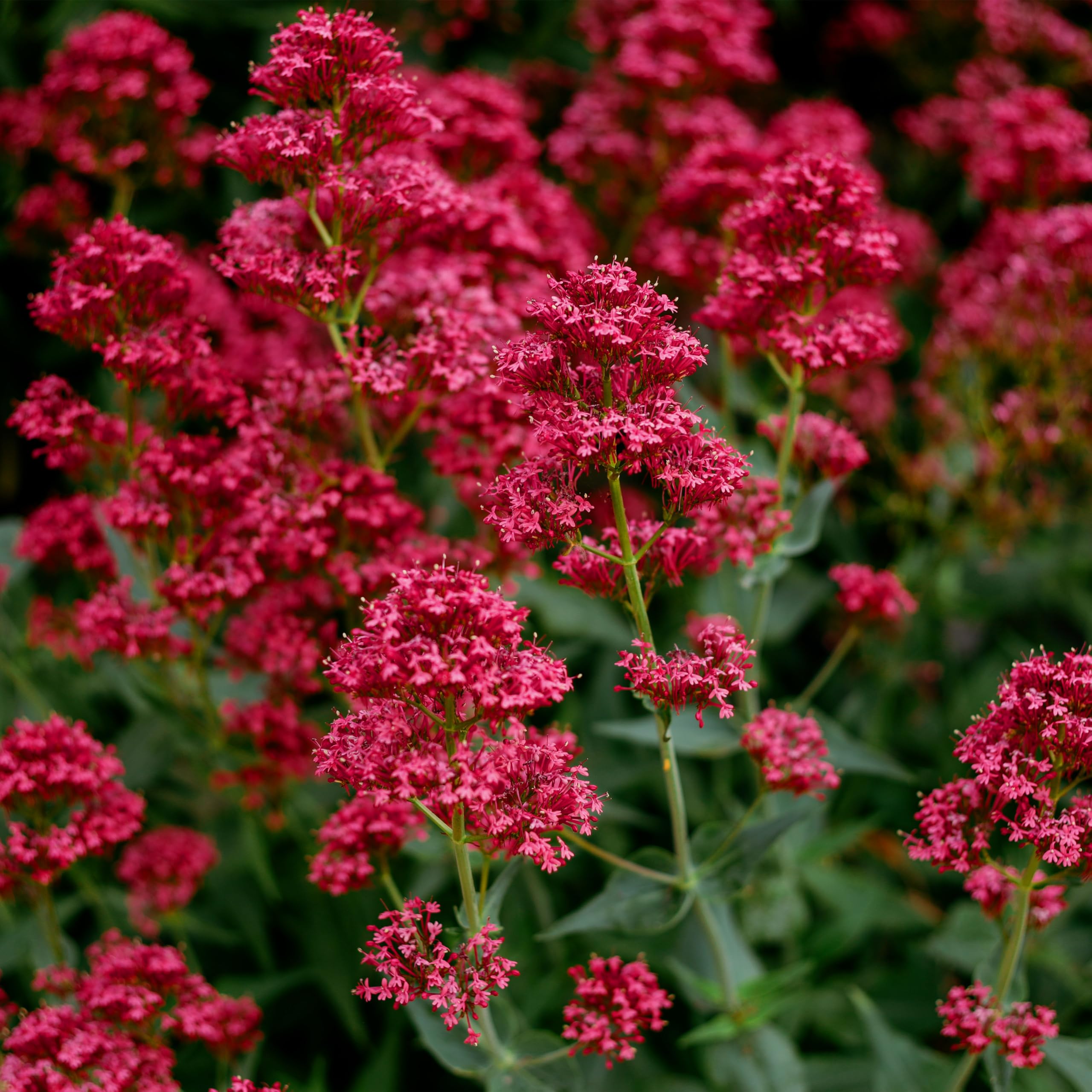



Add a striking burst of color to your garden with Jupiter’s Beard, also known as Red Valerian, Kiss Me Quick, Fox's Brush, Keys of Heaven. These hardy perennials (USDA zones 5–9) reach 18–24 inches tall, displaying vivid red or pink blooms from late spring to summer. With its botanical name, Centranthus ruber, it belongs to the Caprifoliaceae family and is a favorite of pollinators - butterflies and bees, these seed packets are a great addition to wildflowers seed mix.
To grow Jupiter’s Beard, use valerian seeds planting techniques by sowing indoors 6–8 weeks before the last frost or directly outdoors in mid-spring. Plant centranthus seeds 1/8 inch deep in well-draining soil warmed to 65–75°F. Once established, their strong taproots make them heat-tolerant and drought-resistant, ideal drought-tolerant flower seeds for low-maintenance gardens. Their bright red blooms make them stunning red flower seeds even for rocky or poor areas & and hot, dry exposures.
These robust plants thrive in various soils, including rocky or sandy conditions, offering long-lasting, minimal-care beauty. Try pairing jupiters beard seed with other full sun perennial seeds for dynamic textures and colors. Deadhead spent flowers to extend their blooming season. Commonly referred to as red valerian centranthus, this timeless plant also goes by the names Jupiter’s Beard and Keys of Heaven.
Use its blooms in bouquets or dried arrangements. Pair red valerian seeds planting with ornamental grasses or other perennial seeds in mixed beds for a tranquil display. Its gray-green foliage adds softness and texture to any landscape.
Ideal for beginners and experts alike, heirloom seeds like Jupiter’s Beard thrive in full sun or light shade, complementing roses, salvias, or lavender. These versatile flowers seeds (semillas de flores para sembrar) brighten neglected spaces and attract pollinators while enriching your garden with their enduring charm.