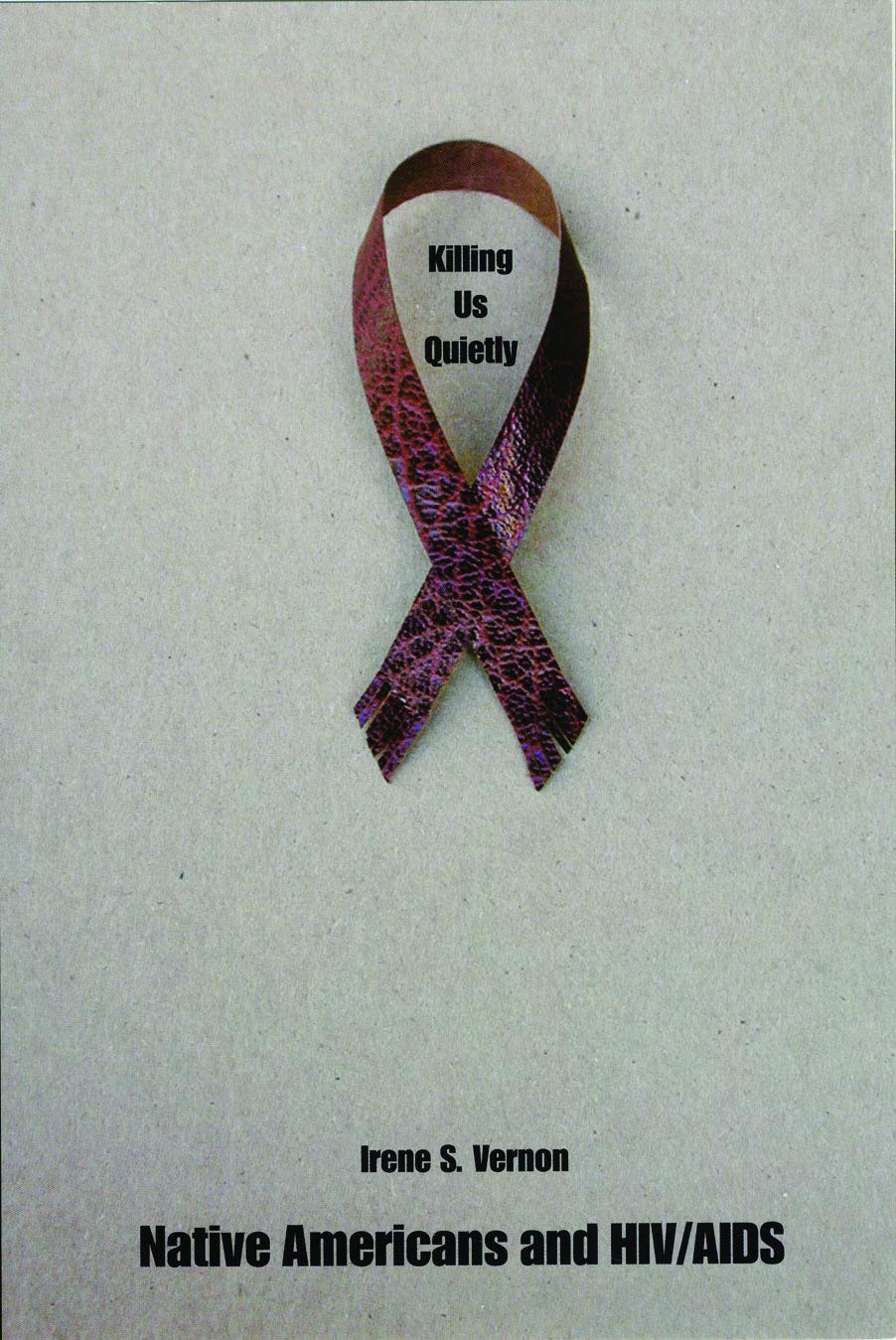



Over the past five centuries, waves of diseases have ravaged and sometimes annihilated Native American communities. The latest of these silent killers is HIV/AIDS. The first book to detail the devastating impact of the disease on Native Americans, Killing Us Quietly fully and minutely examines the epidemic and its social and cultural consequences among three groups in three geographical areas. Through a series of personal narratives, the book also vividly conveys the terrible individual and emotional toll the disease is taking on Native lives. Exploring Native urban, reservation, and rural perspectives, as well as the viewpoints of Native youth, women, gay or bisexual men, this study combines statistics, Native demography and histories, and profiles of Native organizations to provide a broad understanding of HIV/AIDS among Native Americans. The book confronts the unique economic and political circumstances and cultural practices that can encourage the spread of the disease in Native settings. And perhaps most important, it discusses prevention strategies and educational resources. A much-needed overview of a national calamity, Killing Us Quietly is an essential resource for Natives and non-Natives alike. HIV is another in a long line of diseases that have ravaged Native Americans over the centuries. Although by the end of 2001 only about 2200 Native Americans had been diagnosed with AIDS, the risk of the disease increasing among this minority group is great. Vernon (English and ethnic studies, Colorado State Univ.), who is of partly Native American descent, assesses that risk and describes the current state of HIV/AIDS in Native communities. The first comprehensive discussion of HIV/AIDS in these communities, this work covers Native Americans in both the continental United States and Alaska. Though well researched, the text is unfocused and repetitive, making it difficult to read. However, the bibliography and resource guide will be valuable to researchers on this topic. Recommended for research libraries and libraries serving Native American communities. Jeffrey Beall, Univ. of Colorado at Denver Lib. Copyright 2001 Reed Business Information, Inc. "This book by Vernon (Colorado State Univ.), the first of its kind, addresses the critical topic of Native Americans and HIV/AIDS with the goal of educating the general audience as well as sharing information with health officials and health care workers. . . . The material will serve as an essential resource for HIV prevention."— Choice "This is a major contribution to studies of HIV/AIDS transmission, prevention, education, and more."—Sue-Ellen Jacobs, coeditor of Two-Spirit People: Native American Gender Identity, Sexuality, and Spirituality "It should be required reading by lay people who work in the field of HIV/AIDS and on Native American reservations."—Wesley K. Thomas, consultant for the Native American AIDS Project, Centers for Disease Control and Prevention Irene S. Vernon, of Mescalero Apache, Yaqui, and Mexicana descent, is an associate professor in the English department and Center for Applied Studies in American Ethnicity, Colorado State University. She is the author of the Native American AIDS Video Resource Manual. Used Book in Good Condition