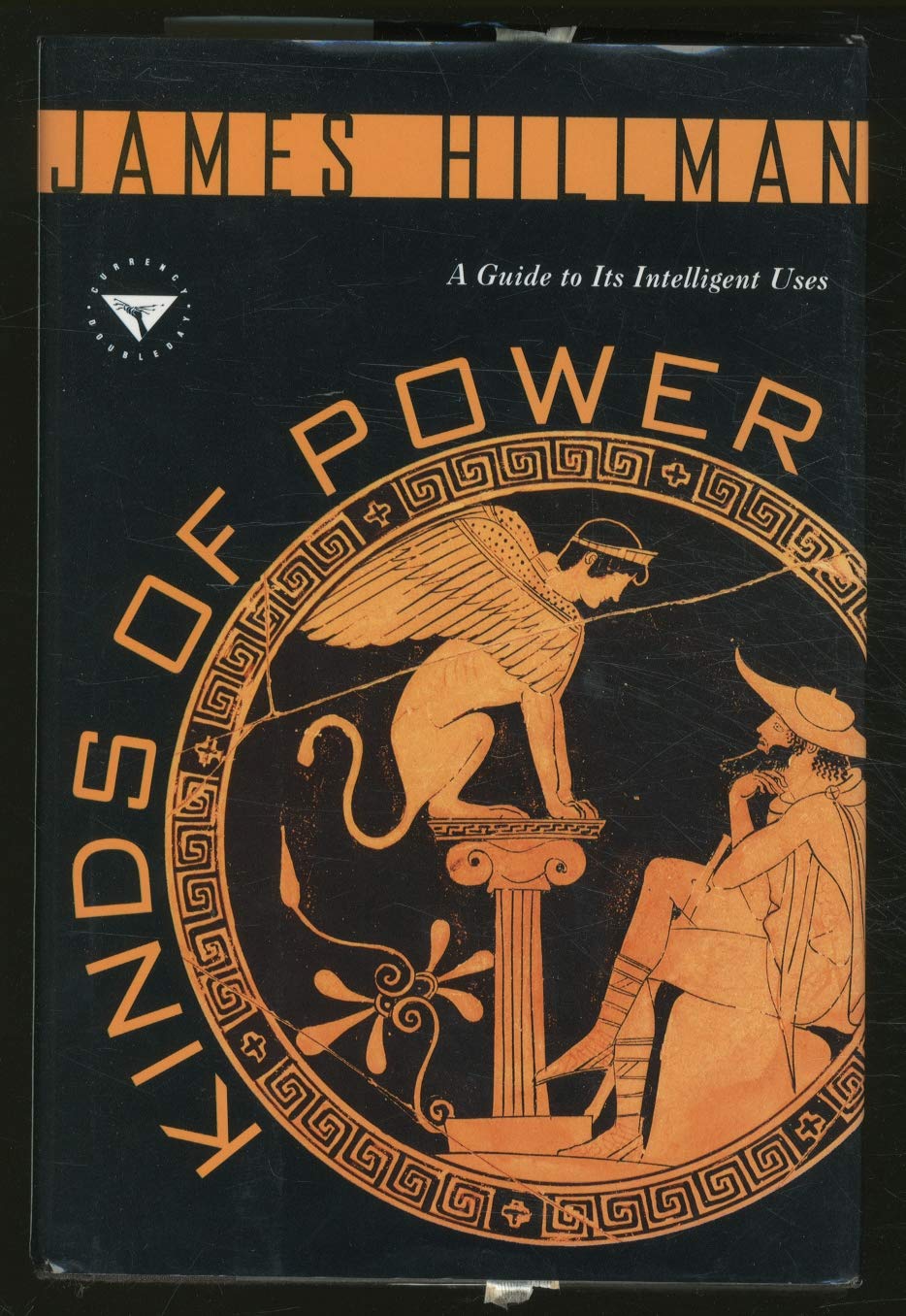



In the boldest expose on the nature of power since Machiavelli, celebrated Jungian therapist James Hillman shows how the artful leader uses each of two dozen kinds of power with finesse and subtlety. Power, we often forget, has many faces, many different expressions. "Empowerment," writes best-selling Jungian analyst James Hillman, "comes from understanding the widest spectrum of possibilities for embracing power." If food means only meat and potatoes, your body suffers from your ignorance. When your idea of food expands, so does your strength. So it is with power. "James Hillman," says Robert Bly, "is the most lively and original psychologist we have had in America since William James." In Kinds Of Power , Hillman addresses himself for the first time to a subject of great interest to business people. He gives much needed substance to the subject by showing us a broad experience of power, rooted in the body, the rnind, and the emotions, rather than the customary narrow interpretation that simply equates power with strength. Hillman's "anatomy" of power explores two dozen expressions of power every artful leader must understand and use, including: the language of power, control, influence, resistance, leadership, prestige, authority, exhibitionism, charisma, ambition, reputation, fearsomeness, tyranny, purism, subtle power, growth, and efficiency. Power has been credited with being an aphrodisiac and blamed for being a corrupting force. Psychoanalyst Hillman points out that there are many different kinds of power and that the execution of power has many styles and nuances. Hillman has written 20 books in the fields of Jungian psychology, depth psychology, and psychotherapy, but here he targets business and organizational leaders with his analysis of 20 different kinds of power, including tyranny, charisma, veto, and prestige, among others. He considers the nature of each and suggests when, how, and why to wield each in turn. In the past, power has been used to increase growth and efficiency, but now, so Hillman explains, it should be used to accomplish the goals of service and maintenance. In contrast to the often simplistic managerial-advice books that are currently popular, this one, at times, is difficult to read, for it is filled with theoretical observations, mythical allusions, and complex ideas; it is also always thoughtful and thought provoking. David Rouse In the boldest expose on the nature of power since Machiavelli, celebrated Jungian therapist James Hillman shows how the artful leader uses each of two dozen kinds of power with finesse and subtlety. Power, we often forget, has many faces, many different expressions. "Empowerment," writes best-selling Jungian analyst James Hillman, "comes from understanding the widest spectrum of possibilities for embracing power." If food means only meat and potatoes, your body suffers from your ignorance. When your idea of food expands, so does your strength. So it is with power. "James Hillman," says Robert Bly, "is the most lively and original psychologist we have had in America since William James." In Kinds Of Power , Hillman addresses himself for the first time to a subject of great interest to business people. He gives much needed substance to the subject by showing us a broad experience of power, rooted in the body, the rnind, and the emotions, rather than the customary narrow interpretation that simply equates power with strength. Hillman's "anatomy" of power explores two dozen expressions of power every artful leader must understand and use, including: the language of power, control, influence, resistance, leadership, prestige, authority, exhibitionism, charisma, ambition, reputation, fearsomeness, tyranny, purism, subtle power, growth, and efficiency. st expose on the nature of power since Machiavelli, celebrated Jungian therapist James Hillman shows how the artful leader uses each of two dozen kinds of power with finesse and subtlety. Power, we often forget, has many faces, many different expressions. "Empowerment," writes best-selling Jungian analyst James Hillman, "comes from understanding the widest spectrum of possibilities for embracing power." If food means only meat and potatoes, your body suffers from your ignorance. When your idea of food expands, so does your strength. So it is with power. "James Hillman," says Robert Bly, "is the most lively and original psychologist we have had in America since William James." In Kinds Of Power , Hillman addresses himself for the first time to a subject of great inter