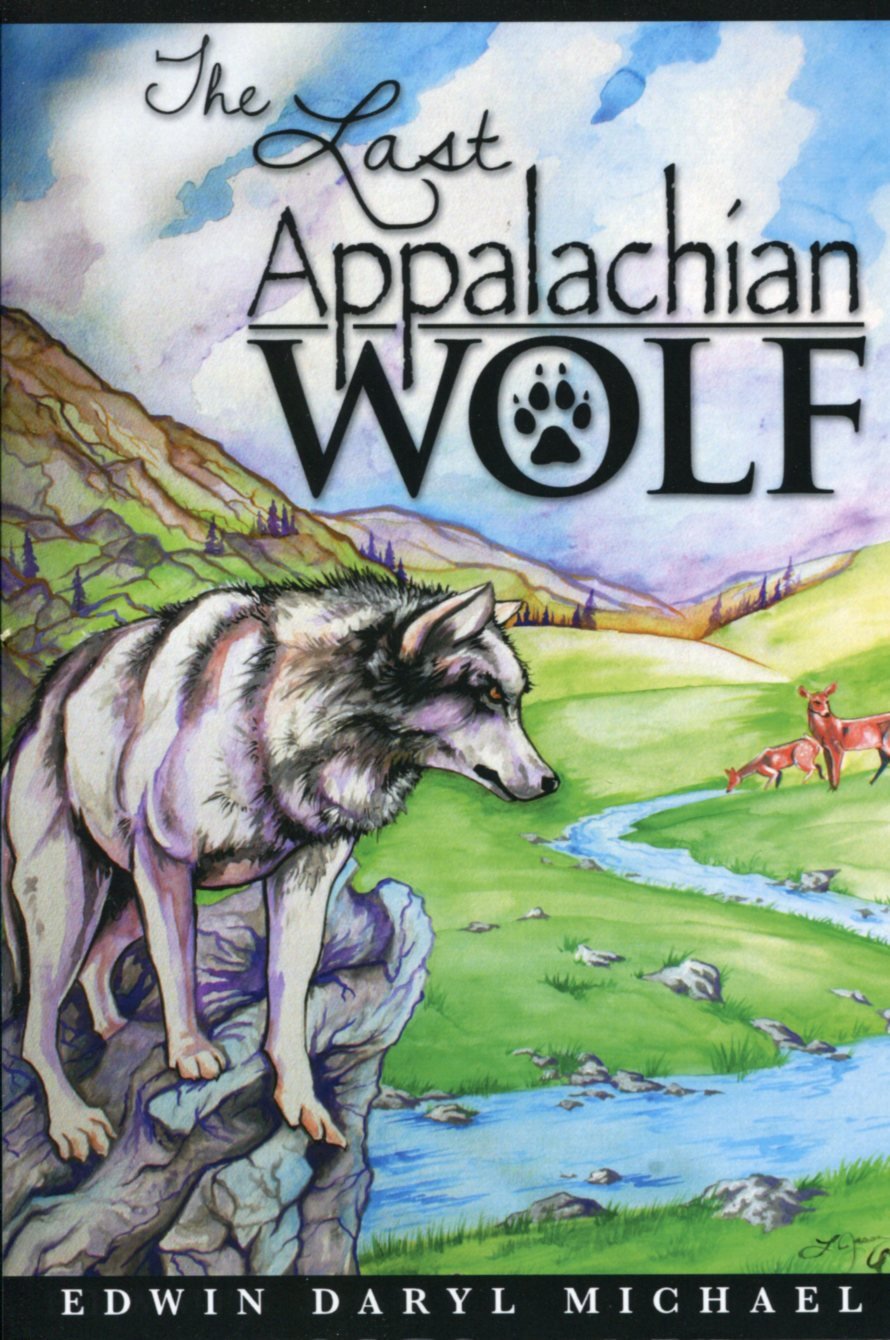



When Dr. Michael discovered a lengthy newspaper article that described a 7-day wolf hunt held in January 1897, he realized he had the seed for his next intriguing novel. In the resulting story, the exciting and traumatic lives of timber wolves in the Central Appalachians during the 1750-1900 period are portrayed. By describing the unique challenges facing successive generations of wolf packs, Dr. Michael reveals how human intrusion and a series of related historic events disrupted the lives of wolves and led to a precipitous decline in their numbers. Readers are provided the opportunity to evaluate the various agents that ultimately led to the demise of the iconic predator that played such an important role in balancing the mountain ecosystem full of deer, elk, buffalo, and passenger pigeons. The story follows a succession of pack leaders that must adapt to changing conditions created by human invaders if their packs are to survive, including “Canus” whose pack survived a wild fire set by Iroquois; “Castana” who relocated his pack to avoid construction of the Staunton-Parkersburg Turnpike over Cheat Mountain; “Venali” whose pack was forced to abandon its territory due to the building and maintenance of Cheat Summit Fort during the Civil War; “Silva” whose pack was decimated by traps and strychnine; and “Montani” who struggled to survive the relentless pursuit of hounds and hunters. Dr. Michael is a native West Virginian. He was born on Plum Run, in Marion County, near Mannington and Farmington, attended elementary school at Shinnston, and graduated from Magnolia High School in New Martinsville. He received a B.S. degree in Biology from Marietta College, and M.S. and Ph.D. degrees in Wildlife Ecology from Texas A&M University. He taught at West Virginia University from 1970 through 1997. Following retirement, he became a part-time resident of Canaan Valley and conducted numerous studies on the ecology of snapping turtles in that unique ecosystem. That research formed the basis for his historical novel, A Valley Called Canaan: 1885-2002. His fifty-year career as a wildlife biologist produced more than one hundred publications, both scientific and popular. Dr. Michael continues to be an active outdoorsman, researcher, and writer, concentrating his efforts on wildlife of the Appalachian Mountains.