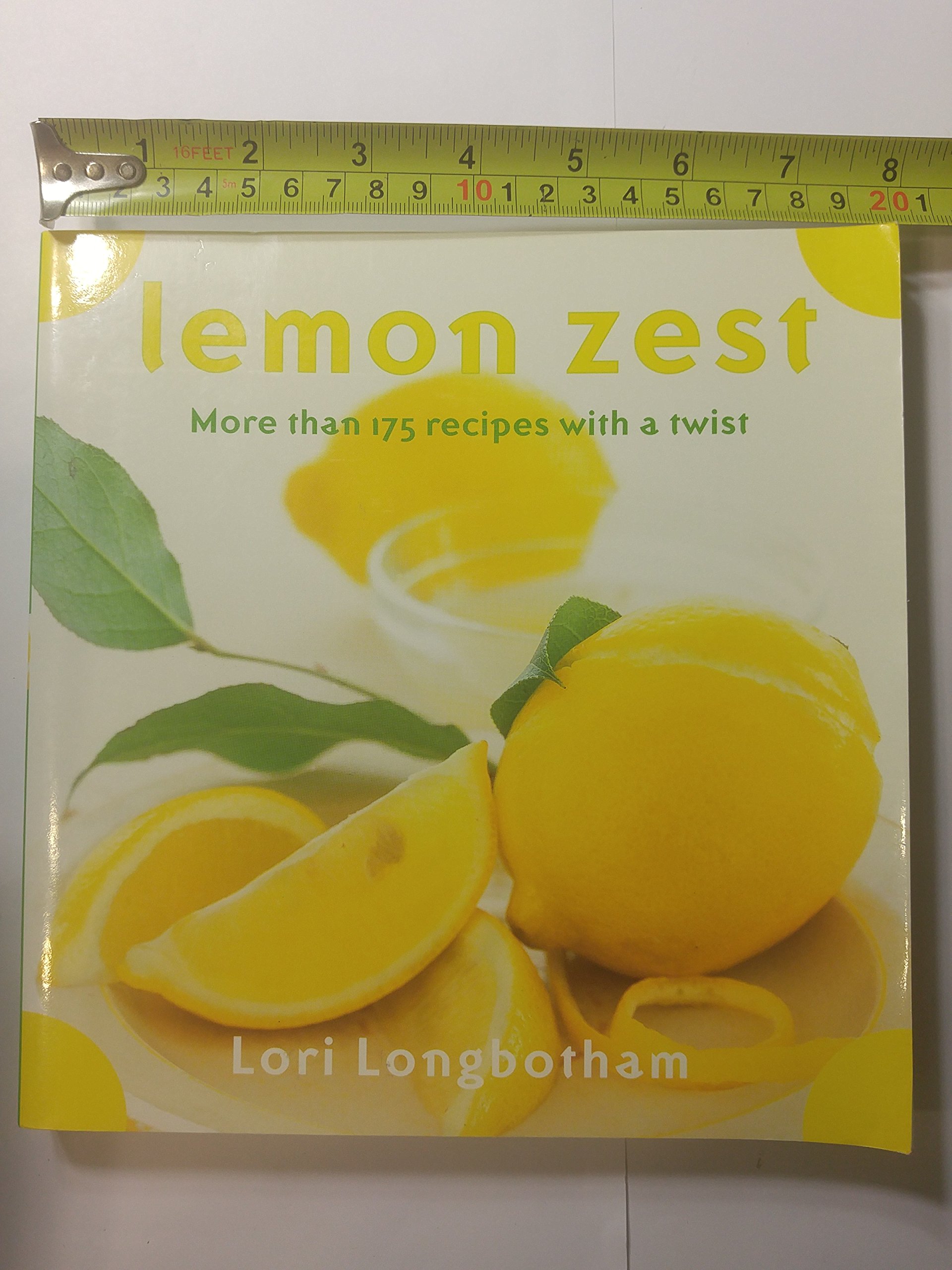



As a main ingredient or an aromatic accent, the distinct flavor of lemon is part of virtually every cuisine in the world. Now the best of these zesty ideas come together in a truly vibrant collection. From breakfast to cocktail hour to bedtime snacking, and every meal in between, Lemon Zest delivers a refreshing range of unbeatable offerings: Lemon-Blueberry Scones, Pork Tenderloin with Lemon and Fennel, Creamy Lemon Fettuccine, Tangy Tabbouleh, Ginger-Lemon Dipping Sauce, Lemongrass Lemonade, and even homemade Lemon Vodka–all highlighting the irresistible flavor of this fabulous fruit. Lemon Zest also brims with juicy tidbits of lemon lore, as well as household hints for making the most of this all-natural cleanser throughout the home. Complete information on using every part of the lemon, along with advice for selecting and storing–and even growing them!--is included, too. Lemon Zest is a burst of brilliant flavors sure to please every palate. "Trust Lori Longbotham to come up with an amazing soup-to-nuts collection of recipes that use lemon zest, lemon juice, and whole lemons to best advantage and to the hilt. What impresses me most is that her recipes are as easy as they are imaginative." --Jean Anderson, coauthor of The New Doubleday Cookbook As a main ingredient or an aromatic accent, the distinct flavor of lemon is part of virtually every cuisine in the world. Now the best of these zesty ideas come together in a truly vibrant collection. From breakfast to cocktail hour to bedtime snacking, and every meal in between, Lemon Zest delivers a refreshing range of unbeatable offerings: Lemon-Blueberry Scones, Pork Tenderloin with Lemon and Fennel, Creamy Lemon Fettuccine, Tangy Tabbouleh, Ginger-Lemon Dipping Sauce, Lemongrass Lemonade, and even homemade Lemon Vodka all highlighting the irresistible flavor of this fabulous fruit. Lemon Zest also brims with juicy tidbits of lemon lore, as well as household hints for making the most of this all-natural cleanser throughout the home. Complete information on using every part of the lemon, along with advice for selecting and storing and even growing them!--is included, too. Lemon Zest is a burst of brilliant flavors sure to please every palate. "Trust Lori Longbotham to come up with an amazing soup-to-nuts collection of recipes that use lemon zest, lemon juice, and whole lemons to best advantage and to the hilt. What impresses me most is that her recipes are as easy as they are imaginative." --Jean Anderson, coauthor of The New Doubleday Cookbook Lori Longbotham is a professional food writer and recipe developer whose articles have appeared in numerous national publications, such as Martha Stewart Living, Food & Wine, and Good Housekeeping. Also the former food editor for Gourmet and American Health magazines, she lives in Jackson Heights, New York. all about lemons The versatile lemon plays an integral role in the culinary process--the skin, seeds, juice, and flesh all contribute in their own right and collectively to the chemistry of food. The lemon activates change--it is the revolutionary of the food world. --Christine Manfield, Paramount Cooking Buying Lemons Whether you are buying your lemons at a farm stand or a supermarket, you don't have to worry about ripeness. Every lemon in the market is fully ripe and ready to use, so you can pick and choose according to what you'll be using them for. If you're looking for juice, choose firm but not rock-hard lemons that are heavy for their size. Very hard ones invariably yield little juice. Slightly softer, medium-sized, and thin-skinned lemons are juicier. Heaviness indicates that lemons are fresh and full of juice; heft them and compare to find the weightiest fruit. If you're looking for zest, thicker-skinned lemons usually have more abundant, flavorful zest and are easier to grate. Lemons should be as bright as the sunshine, with a glossy sheen, a firmness to the touch, finely textured skin, and a pleasant citrus fragrance. The condition of the skin is important. A very coarse exterior may indicate an excessively thick skin, which in turn may mean less flesh and juice. Lemons should be vibrant, bright, and uniform in color, with unbroken skin, free of moist or brittle spots or shriveling. The fruit beneath the skin should feel firm, with no evidence of softness. A small, very green stem is a sign of freshness. Lemons from warmer climates may have slightly green skin--it does not mean they are not ripe. But fruits that have a slightly greenish cast are likely to be more acidic than those that are a deep yellow. Deep yellow lemons are usually more mature than lighter yellow ones, and not quite as acidic. Avoid lemons that are hard and rigid; they may have been frost-damaged. Also avoid lemons that are soft, spongy, wrinkled, or have bumpy, rough, or hard skin. A dark yellow or dull color or hardened or shriveled skin indicates old age. Soft spots, mold, or broken skin indicate