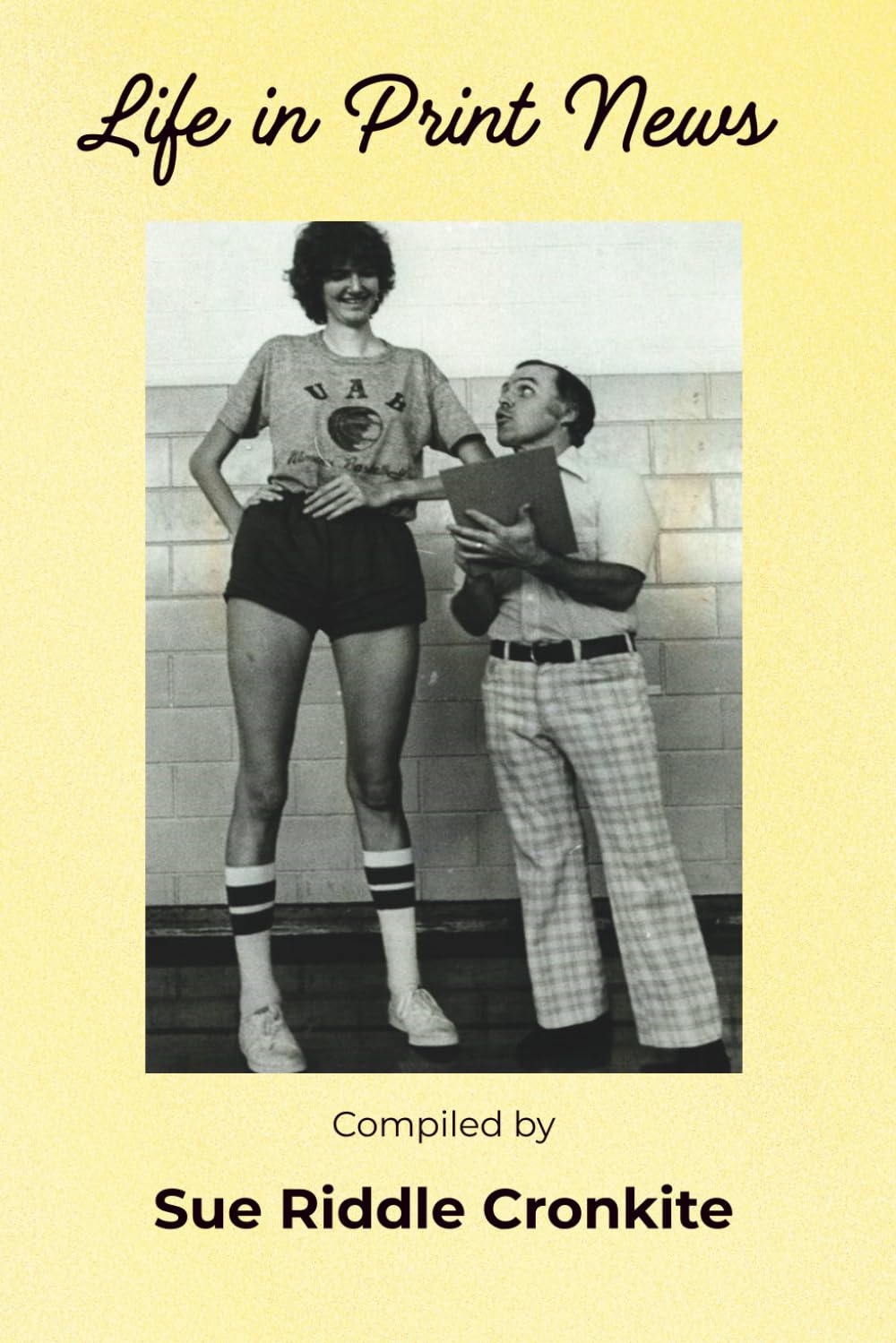



Life in Print News is filled with rollicking stories of scoops and "stop the press" experiences. How these top news reporters covered life with laughs, warmth, sympathy, and hope overshadowing the daily grind is a reminder that those in the print news business are real people. As one reader said: “Just finished Life in Print News. What a great read! Makes me want to go back in time and start life as a newspaperman. I enjoyed the rough-and-tumble overlapping lives and anecdotes, the conflict and camaraderie, the witty and unexpected stories that newsfolk have to tell. Thanks for sharing the spirit of good times past, good lives passed by, one-of-a-kind wonderful personal moments. Their blood is all inky and funny and wise.” Jim Reed The stories are riveting, like the time Mark Winne and Jerry Ayres chased a car with a real person's fingers wriggling out of a space under the trunk. Mark Childress was in Italy and saw the “fingers in the car trunk” story splashed on the front page of Italian newspapers. You can't beat sportswriter Jimmy Bryan's "Inflation killed the Commodores. Once the ball was inflated, Vanderbilt was dead." Or an interview with Big Ruby (aka former Alabama Gov. Jim Folsom's sister) comparing her drinking habits with those of Ernest Hemmingway. You can't help but laugh when Clyde Bolton credits his son Mike as the best crafter of "Hey, Mable" stories as in "Hey, Mable, you've got to read this!" Read Columnist John Archibald's take on changes while he racks up Pulitzer prizes. As more and more publications turn from print to digital, it appears that the days when the bulky roll of newsprint that once hit the doorstep, driveway, or rosebush beside the steps, is trotting into the sunset like the horse and buggy. Change is inevitable, but you can't swat a fly with a computer, nor hang a picture on the fridge when it has already zipped out on the internet and disappeared into never-never land. These stories with warmth and humanness might help qualm a few fears and remind readers that community and neighbors are needed, that printed words can help preserve history for those who come after us and give them a glimpse of how daily life once was. Flip a page and meet some top-notch people who worked in print news, and some who are still out there, succeeding in the digital world, while mourning the printed newspaper.