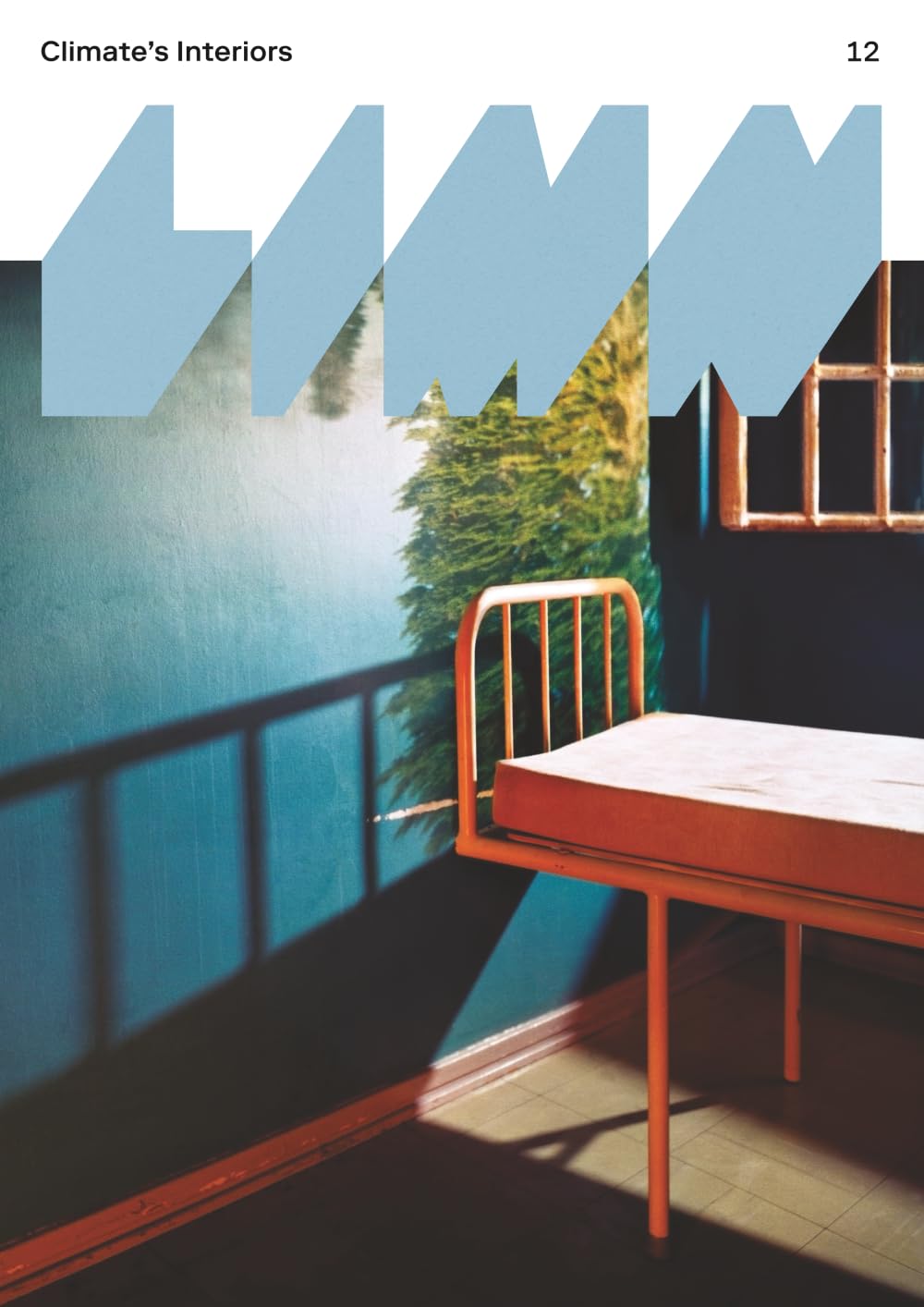



In this issue, Limn tells climate stories from the inside out. We’ve become accustomed to telling stories about the climate from the outside. Glaciers melt, oceans acidify, sea levels rise, systems fail, and peasants become refugees. These are the predictable figures of climate change—a shorthand through which we make sense of a shared experience of threat and loss. We also think about climate solutions from the exterior. Mitigating emissions, climate-proofing crops, erecting solar panels and windmills. But what happens when we shift our perspective? What if we think of climate change from inside cells, bodies, buildings, and systems? This issue of Limn takes the interior as a counterintuitive starting point for thinking about planetary change. Our proposition: Thinking from the interior fundamentally shifts how we understand our warming world and, crucially, the stories we tell about it. Interiors are good to think with, but they are also good to think from. A view of the Anthropocene from inside buildings, technical systems, homes, organisms, and body-minds can challenge the norms of community and immunity, expansion and defense, that have guided projects of capitalist accumulation, empire-making, healing, and, indeed, ecology itself. But we also see the interior as a platform for designing climate futures—as much a container as a space of imaginative and critical possibility.