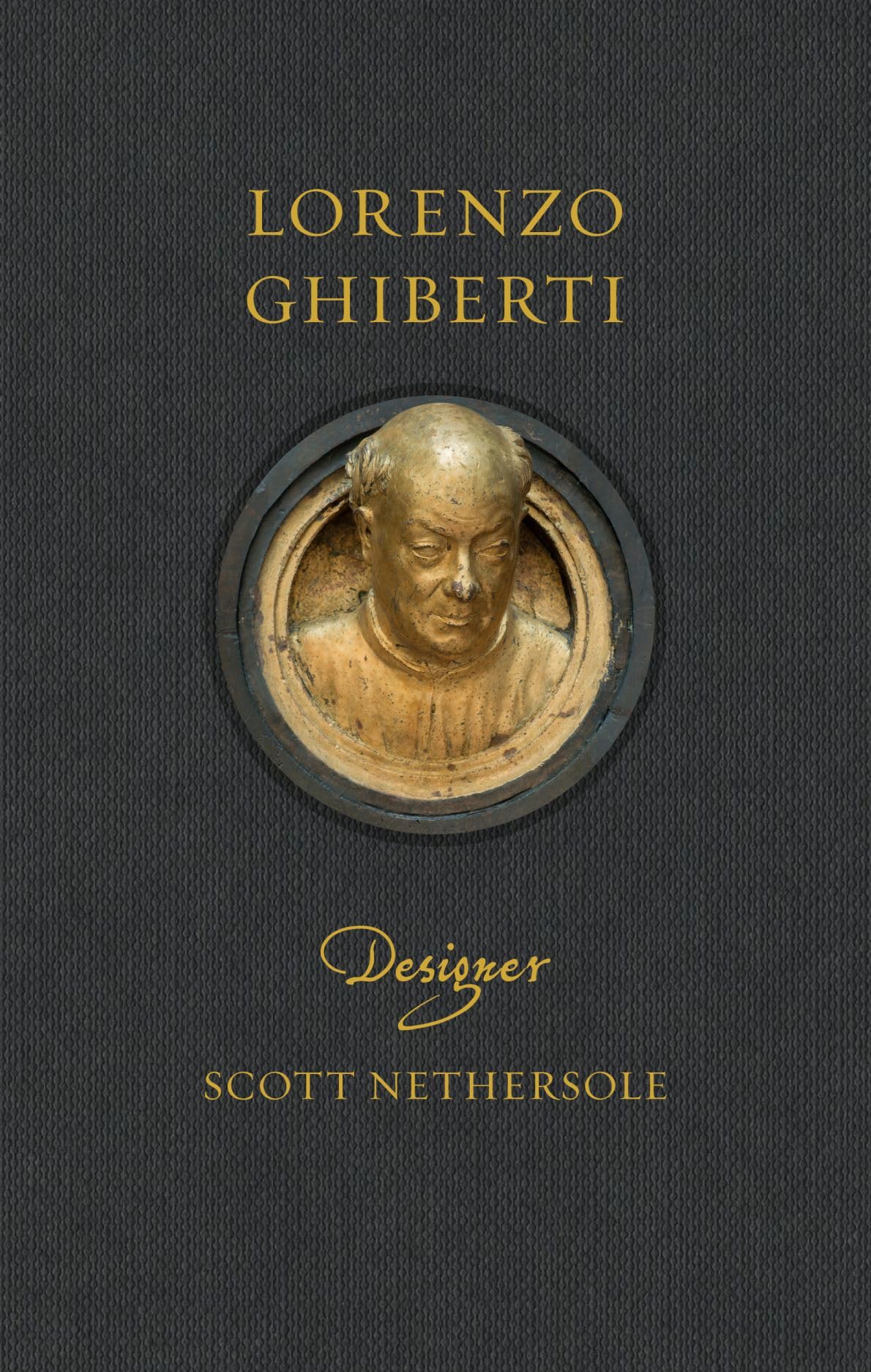



Repositions Ghiberti as a Renaissance innovator through his material and design brilliance. Lorenzo Ghiberti was the most celebrated sculptor of his day—praised by Alberti, admired by peers, and trusted with Florence’s most prestigious commissions, including the iconic Baptistery doors. Yet his legacy has often been diminished, cast as a decorative hangover from the Gothic era, and overshadowed by Donatello’s perceived Renaissance modernity. This book reconsiders Ghiberti’s achievement by focusing on his mastery of materials and design across bronze, glass, marble, and drawing. From complex narrative reliefs to architectural ornament, Ghiberti emerges not just as a skilled craftsman but as an inventive, multidimensional artist who redefined the possibilities of sculptural storytelling. By understanding Ghiberti on his own terms, we gain a richer picture of early Renaissance invention and its lasting visual impact. “Nethersole’s meticulous and lucid analysis demonstrates Lorenzo Ghiberti’s ingenuity, technical brilliance, and the power of his sculptures to engage viewers. This rich and illuminating book gives us a Ghiberti particularly skilled in design – the creative process through which he crafted reliefs and statues in copper alloys and planned architectural and other projects in stone, wood, and stained glass.” -- Amy R. Bloch, author of 'Lorenzo Ghiberti's Gates of Paradise; “Nethersole presents a new and compelling cast of Ghiberti as a scheming and ravishing artist who could think with his hands and use visual design to control affect. In this superb book he alloys a limpid rereading of the primary sources with an analysis of the artistic challenges of exacting patrons, unruly materials and illustrious locations to which Ghiberti responded. Nethersole is as magisterial a director of the eye as Ghiberti is.” -- Machtelt Brüggen Israëls, author of 'Piero della Francesca and the Invention of the Artist' Scott Nethersole is professor of art history, 500–1500 CE, at Radboud University, The Netherlands. His books include Art and Violence in Early Renaissance Florence .