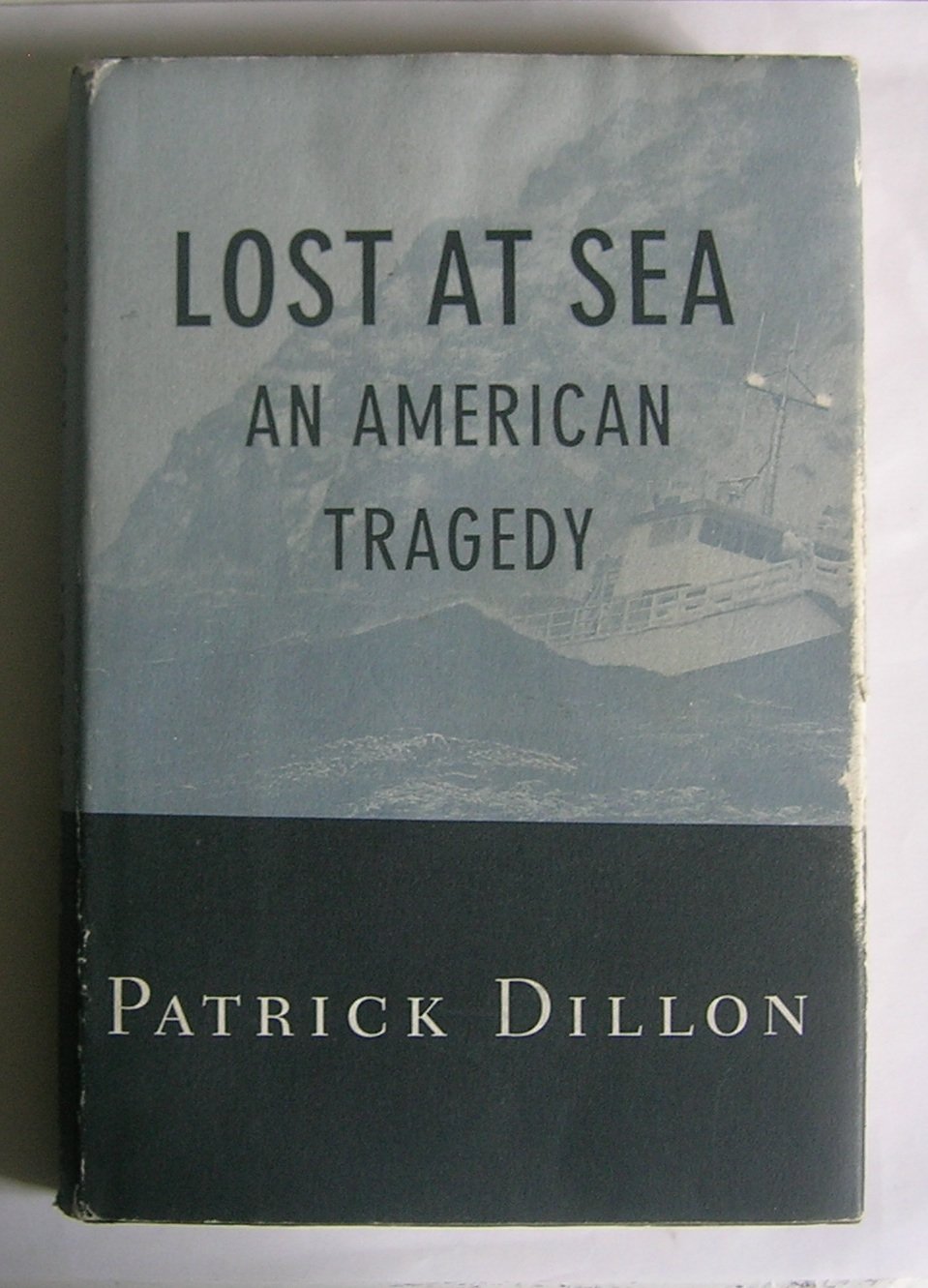



On the morning of February 3, 1983, the Americus and Altair, two state-of-the-art crabbing vessels, idled at the dock in their home port of Anacortes, Washington. On deck, the fourteen crewmen--fathers, sons, brothers and friends who'd known one another all their lives--prepared for the ten-day trip to Dutch Harbor, Alaska. From this rough-and-tumble seaport the men would begin a grueling three-month season in one of the nation's most profitable and deadliest occupations--fishing for crab in the notorious Bering Sea. Standing on the Anacortes dock that morning, the families and friends of the crew knew that in the wake of the previous year's multimillion-dollar losses, the pressure for this voyage was unusually intense. Eleven days later, on Valentine's Day, the overturned hull of the Americus was found drifting in calm seas only twenty-five miles from Dutch Harbor, without a single distress call or trace of its seven-man crew. The Altair, its sister ship, had disappeared altogether; in the desperate search that followed, no evidence of the vessel or its crew would ever be found. The nature of the disaster--fourteen men and two vessels,apparently lost within hours of each other--made it the worst on record in the history of U.S. commercial fishing. Delving into the mysterious tragedy of the Americus and Altair, acclaimed journalist Patrick Dillon vivifies the eighty-knot winds, subzero temperatures, and mountainous waves commercial fishermen fight daily to make their living, and illustrates the incredible rise of the Pacific Northwest's ocean frontier: from a father-and-son business to a dangerously competitive multibillion-dollar high-tech industry with one of the highest death rates in the nation. Here Dillon explores the lives the disaster left behind in Anacortes: the ambitious young entrepreneur who raised the top-notch fleet in a few short years, the guilt-ridden captains of the surviving sister boats, and the grief-numbed families of the crew. Tracing the two-year investigation launched by the Coast Guard and National Transportation Safety Board, he brings to life a heated cast of opponents: ingenious scientists, defensive marine architects, blue-chip lawyers and wrangling politicians, all struggling to come to terms with the puzzling death of fourteen men at sea. And finally, in his evocation of one mother's crusade to pass the safety legislation that might save lives, Dillon creates a moving portrait of courage and love. Patrick Dillon grew up among commercial fishermen on an island in Puget Sound. Formerly an editor and columnist for the San Jose Mercury News, he has won national journalism awards, including a share of the Pulitzer Prize. His columns and essays have appeared in the Los Angeles Times , the Chicago Tribune, and Fast Company magazine, among other publications. Married to photographer Anne Dowie and the father of two, he lives in San Francisco. In February 1983, two crabbing vessels set out from port in Alaskan waters at the peak of crabbing season. Filled to the brim with crab pots, both ships, the Americus and the Altair , were considered state-of-the-art for the industry: each only a few years old, equipped with thousands of dollars' worth of lifesaving equipment. Neither ship returned to port, and none of their 14 crew members was ever seen again. It was the worst commercial fishing accident in America's history. In Lost at Sea , Patrick Dillon examines how the Americus/Altair disaster is indicative of the problems with American fishing, an industry that annually tops the list of "Most Dangerous Occupations," and what has been done in the tragedy's aftermath. During his research, including a season as a crew member aboard a fishing boat, Dillon encountered a murky sea full of men fiercely opposed to government regulations, an industry that always expects to do business the same way--its own way--and, conversely, an American government that prodded its fishing industry into possibly unsafe practices in order to compete with foreign fishing powers. Dillon interviews dozens of friends, coworkers, and family members of the lost fishermen, and the scenes that describe the small Washington town of Anacortes, which hosted the lost fleet and is almost completely reliant on fishing for livelihood, are touching. In the end, despite years of hearings and probes into the fishing industry, not much has changed, Dillon reports. Every year a certain number of men go out into rough seas, and every year a smaller number of them return home, as the industry remains largely free of regulation. --Tjames Madison In this chronicle of the worst commercial fishing disaster in American history, Dillon (former San Jose Mercury News editor and columnist) takes the reader to the Bering Sea and the hazardous waters off Alaska's Aleutian Islands, where men dare the elements in the yearly three-month harvest of Alaskan king crab. On February 14, 1983, the Americus an