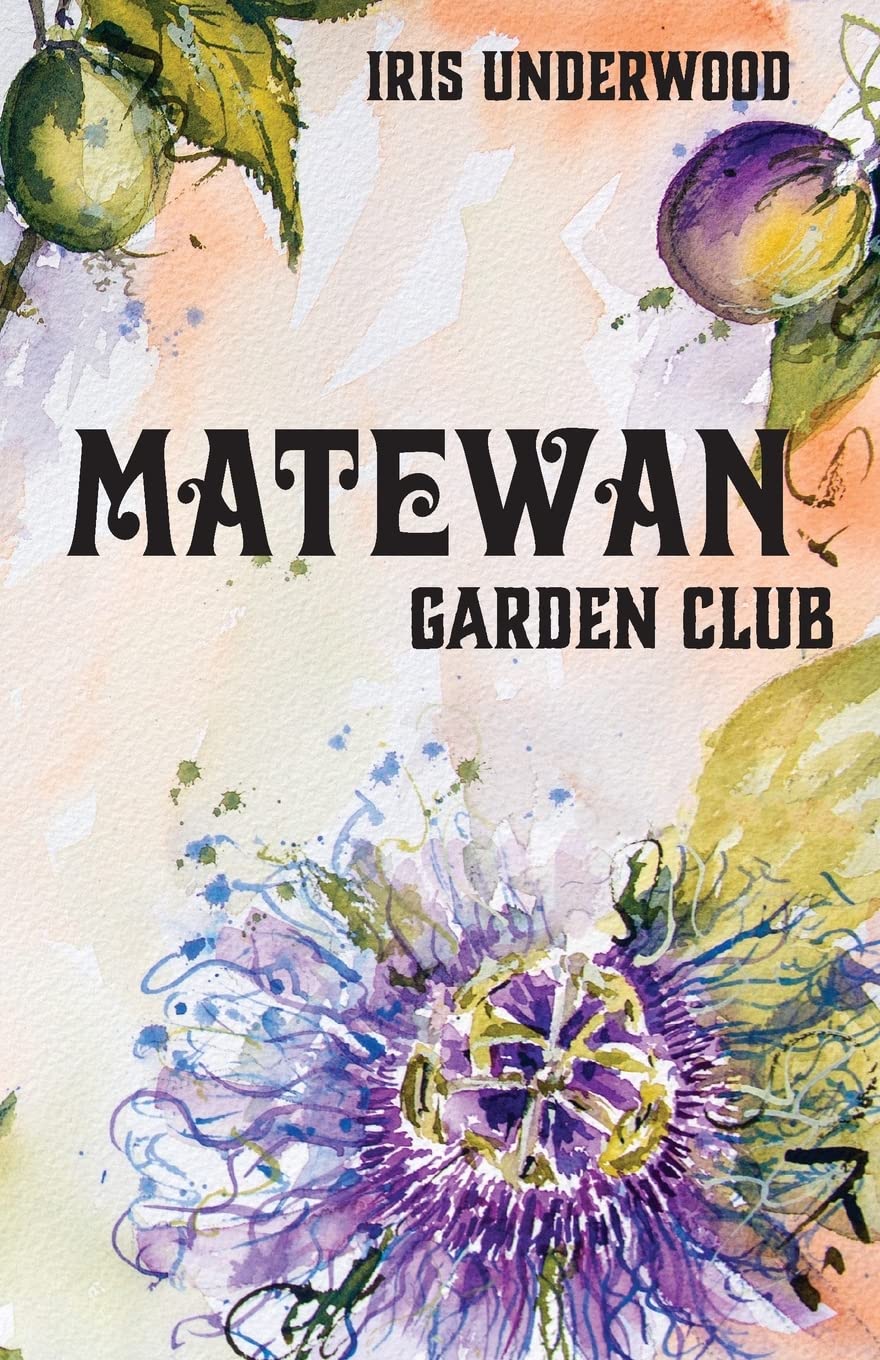



Eighteen-year-old Henry Blankenship dreams of building a house for his childhood sweetheart, Annie Dill, and his mother, Gertie, known by their hill folk as the "woman with a shovel." Annie dreams of six children and a room of her own to pen the unsung legacies of Appalachian women-yet Annie's mother, Margaret Dill, President of Matewan Garden Club, has other, bigger plans for her only child. Unwittingly, Russian refugees Natalia Semenov and her son Olaf, Henry's employers at Hunt's Feed & Seed, come to Henry and Annie's rescue. Matewan Garden Club spans three generations and a multitude of dreams amongst the tight-knit immigrant coal camps and struggling towns along Tug Fork: Williamson, Blackberry City, Red Jacket, Thacker Holler, and countless hollers in between. Like the river's many tributaries, these communities converge in Depression-era Matewan, West Virginia to build enduring love amid the business of native flora and fauna-seedlings of a post-WWI Europe in chaos, the Bolshevik Revolution-and a brand new America. "Iris Underwood takes readers on a journey through life in the Appalachians. It's as if you are sitting on the porch with them, listening to their stories, and sharing their struggles. A must read." -Randy Jorgensen, Page One Corp., Imlay City, Michigan "A wonderfully written story of vivid, endearing characters who depict life in the early 1900s within a small West Virginia coal-mining town-an unforgettable picture of immigrants and refugees building lifelong friendships by trials and triumphs, a brighter future for generations to come." -Kathi Sherril, librarian, Matewan, West Virginia "Family. Friends. Faith. Iris Underwood takes her reader on a flower-strewn, multicultural-generational saga through and around the Appalachian town of Matewan. My book club and my garden club will love this book." -Catherine Baurhenn, Port Sanilac Book Club, Port Sanilac Garden Club "In Matewan Garden Club, Iris Underwood takes the reader on a meandering journey through some of the most complex and beautiful landscape in the Eastern United States. Built around the central thread of horticulture, the metanarrative is one of growth in, through, and in spite of all of the challenges thrown into the lives of her central characters. It is imaginative, poetic, and symbolic while still being as true to the story as any book dares to get." -Burton Webb, president, University of Pikeville, Kentucky