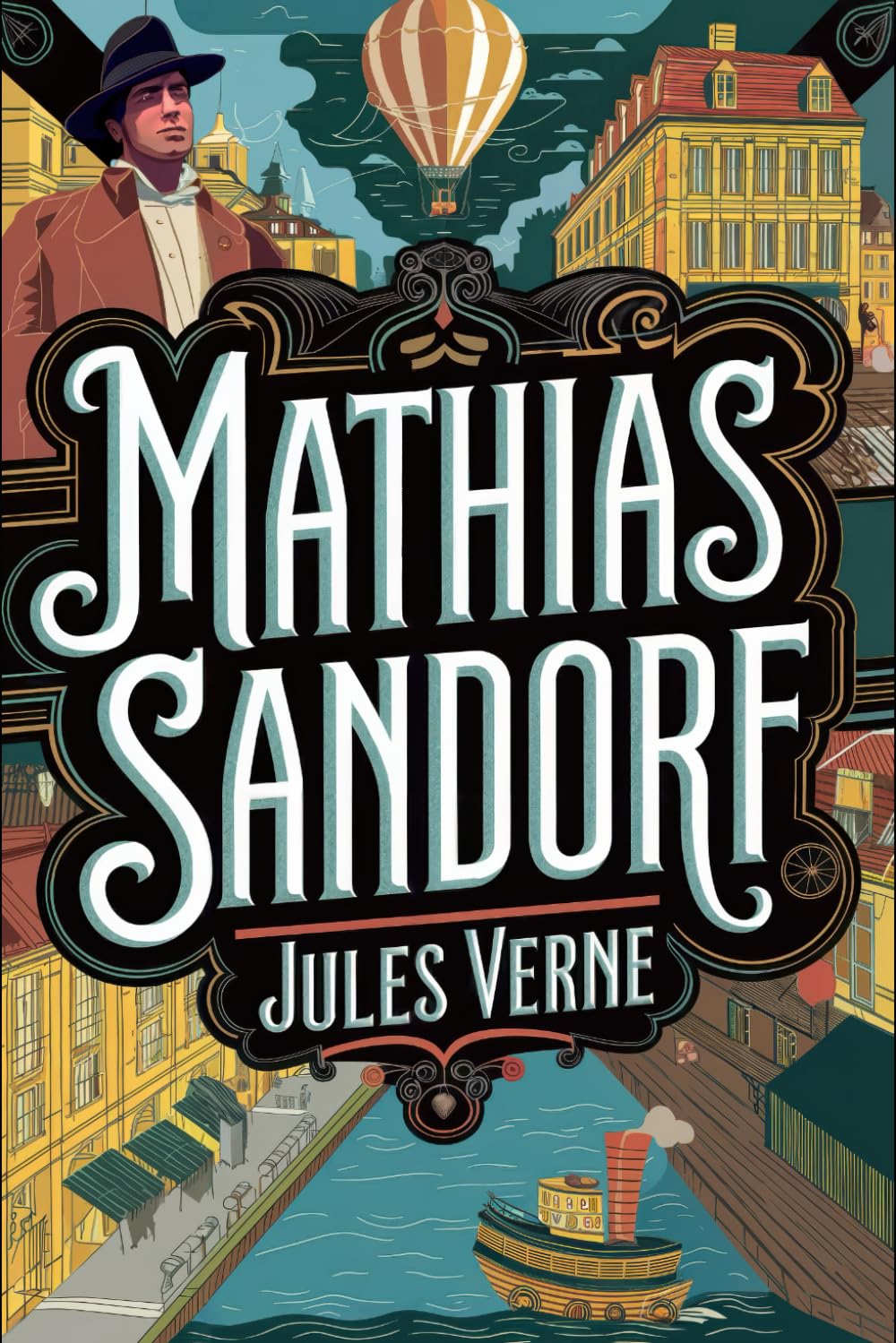



Betrayal. Escape. Transformation. And vengeance executed with scientific precision. Count Mathias Sandorf is a Hungarian nobleman conspiring against Austrian rule in the 1860s—fighting for his nation's independence from an empire that has dominated it for centuries. When his plot is betrayed by Sarcany and Zirone, men motivated purely by greed who reveal the conspiracy for reward, Sandorf is captured, tried for treason, and sentenced to death. His co-conspirators are executed. Their families are destroyed. But Sandorf escapes from the fortress prison through a daring descent down sheer cliffs, is believed dead, and disappears for fifteen years. When he returns, he has transformed himself into Doctor Antekirtt, a wealthy and mysterious figure operating from a secret Mediterranean island base, equipped with advanced submarine technology and sophisticated communications systems. He systematically pursues those who betrayed him while protecting the innocent victims of their treachery. Jules Verne wrote Mathias Sandorf as explicit homage to Alexandre Dumas's The Count of Monte Cristo —the novel he most admired and the template he consciously followed. The book opens with Verne's dedication to Dumas's memory, acknowledging his debt to the master of romantic adventure. Dumas fils reciprocates with a dedication praising Verne's imaginative genius. This exchange between literary generations frames the novel as conscious exercise in tradition: Verne demonstrating he can work within the romantic adventure mode as skillfully as he works in speculative fiction. Yet Verne makes the story his own through characteristic elements: meticulous geographical detail bringing the Adriatic coast and Mediterranean world to vivid life, incorporation of cutting-edge technology (advanced submarines, electrical communications), and somewhat different moral emphasis that stresses justice and aid to the oppressed over pure psychological revenge. The political dimension—Hungarian nationalism resisting Austrian imperial control—grounds the personal story in actual 19th-century conflicts. The novel's structure follows its model faithfully: wrongful imprisonment, impossible escape, mysterious transformation, systematic revenge, protection of the innocent. Perhaps too faithfully—contemporary critics praised Verne's craftsmanship while noting he had produced skilled imitation rather than genuine innovation. Modern readers will inevitably compare Mathias Sandorf to The Count of Monte Cristo and generally conclude that while Verne's effort is admirable and occasionally thrilling, it lacks the psychological depth and moral complexity that make Dumas's original a masterpiece. Yet Mathias Sandorf retains value as demonstration of Verne's versatility, his engagement with literary traditions that shaped him, and his ability to construct competent adventure within established frameworks even when that's not where his most distinctive genius lies. From the author of Twenty Thousand Leagues Under the Sea —a tribute to Dumas and the romantic adventure tradition, updated with Verne's geographical precision and technological imagination.