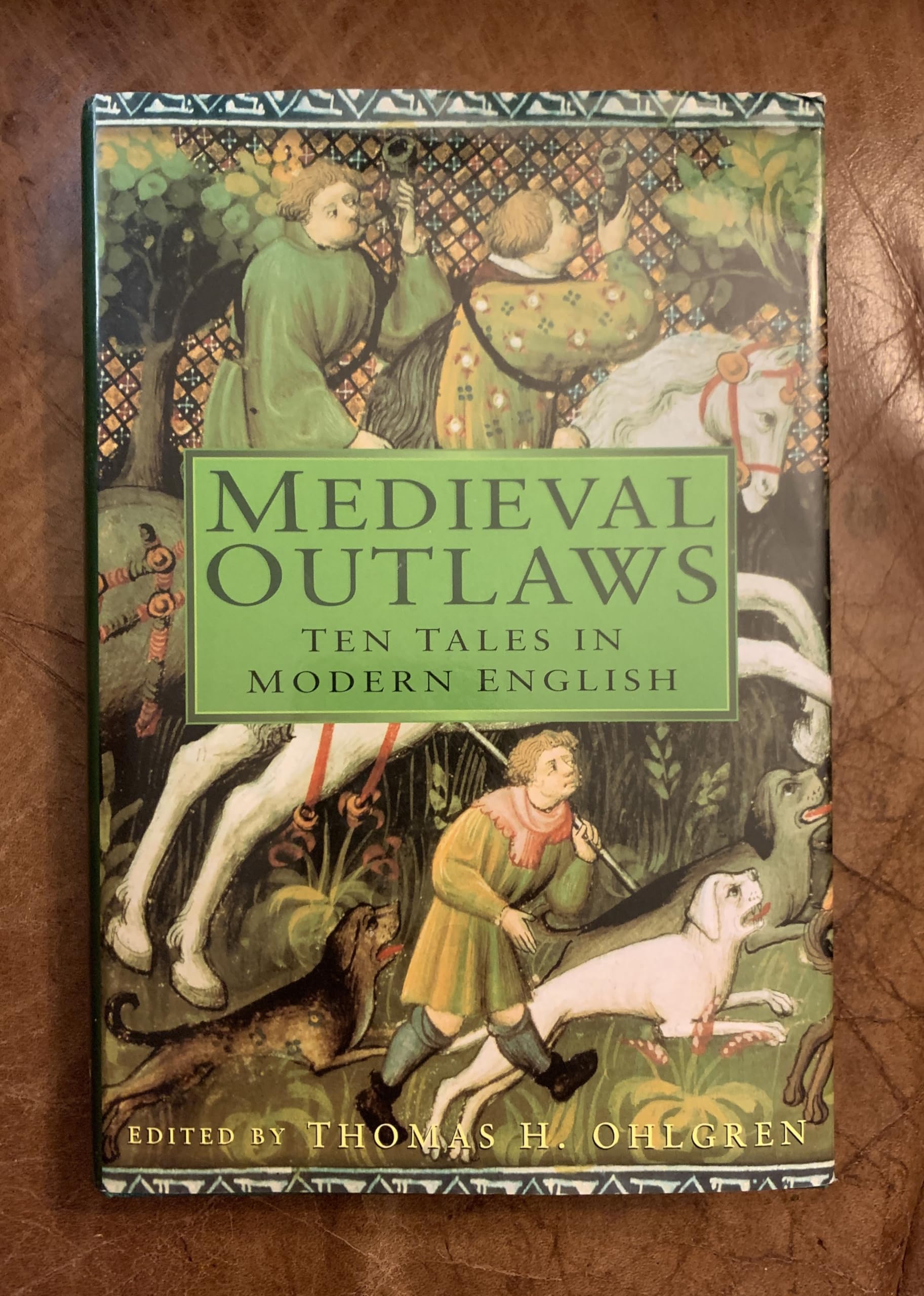



Accessible versions of tales of hero outlaws ranging from the Norman Conquest to the 16th century. Two concern the well known Robin Hood and William Wallace, but others are relatively unknown today. The tales include introductions putting them in historical and literary context, and notes (end, alas, not foot) identifying people and places when possible. Distributed by Books International. Annotation c. by Book News, Inc., Portland, Or. Ohlgren translates into contemporary English and annotates the original medieval tales of England's romantic rogues, who have become folk heroes to later generations. In his commentary, Ohlgren (English and Medieval Studies/Purdue Univ.) locates common themes and typical plots from amid this folkloric outlay. For example, in his essay ``A Gest of Robyn Hode (i.e., Robin Hood), Ohlgren cites the differences in the original that set it apart from the various versions derived subsequently from it: Robin was first presented as a Yorkshire yeoman (a middle-class citizen), rather than as the Earl of Sherwood Forest, Nottinghamshire. The original Robyn led a gang of criminals in a game of highway robbery, extortion, deer poaching, and murder; nonetheless, his band won the hearts of the people by doing in corrupt and overbearing officials while somehow still remaining the kings loyal subjects. The other tales here follow similar paths. In ``Acts and Deeds of Sir William Wallace, we have the centuries-old story of the great Scottish hero who was also, for the English, a sought-after scoundrelOhlgren tells us of his charismatic military leadership, his skill with weaponry, his deep grievances and battles with the enemy, and his revenge waged over the murder of his true love. Eustace the Monk'' follows the adventures of a French knight, monk, and sailor who leaves his abbey to bring his father's murderer to justice, then escapes a corrupt judicial system. These chronicles reflect societies where peasants are oppressed by their lords, giving rise inevitably to a class of ``good bandits'' seeking vindication and operating undercover in remote areas, such as forests, often in times of war or other unrest. These do-gooder bad guys were elusive, clever, loyal, courageous, and masters of deception and disguise. Their lore continues to give us a vicarious sense of renegade justice. A trove for buffs of literature and history who are moved by the morality of the upstart. (25 b&w illustrations, not seen) -- Copyright ©1998, Kirkus Associates, LP. All rights reserved.