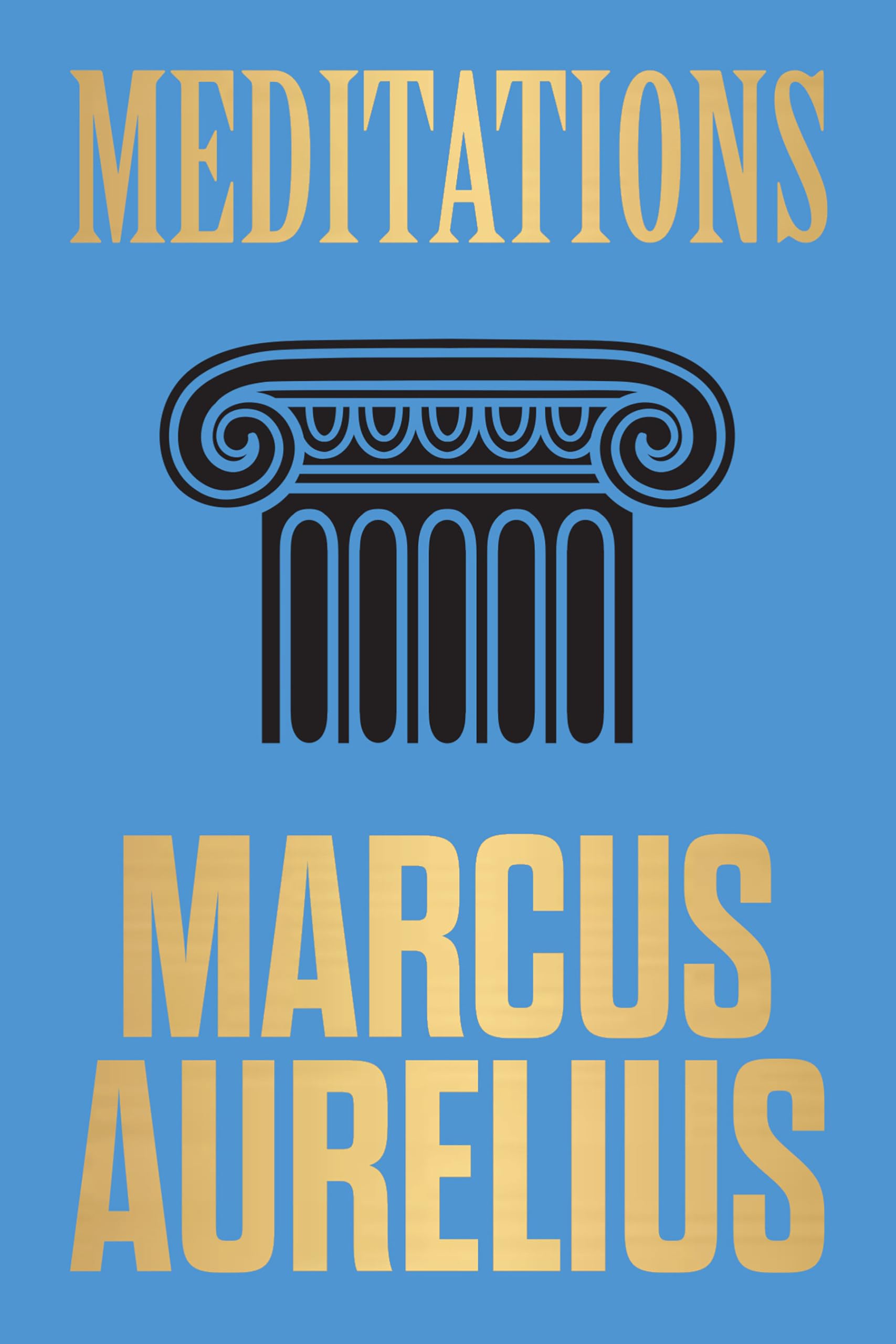



A classic of wisdom. A compass for the soul. Step into the mind of a Roman emperor and Stoic sage. Meditations is more than just a philosophical text; it's a powerful guide to living with purpose, courage, and grace. Penned as private reflections, Marcus Aurelius’s words continue to echo across centuries, offering timeless insights into the human condition. Whether you're facing everyday struggles or seeking deeper meaning, this enduring masterpiece speaks directly to the heart and mind, guiding you toward inner strength, clarity, and peace. Why You’ll Love This Book Timeless Wisdom, Everyday Relevance : Discover ancient Stoic principles that still resonate in today’s fast-paced world. - Resilience and Inner Peace : Learn how to stay grounded amidst chaos and cultivate calm through self-discipline and perspective. - Mindfulness and Self-Reflection : Explore the art of introspection and conscious living to create a life of balance and meaning. - A Lifelong Companion : Each passage offers fresh insights with every read, making it a trusted guide through life’s many seasons. - Ideal for Seekers and Thinkers : A must-read for anyone on the path of self-discovery, personal growth, or spiritual exploration. Marcus Aurelius was born Marcus Annius Verus in Rome on 26 April 121. He was taught at home by some of the best tutors. In 161, after the death of Antoninus, Marcus became the ruler of the Roman Empire. He made Lucius Verus his co-emperor, and for the first time in history, Rome was being ruled by two emperors.During his campaigns against the Sarmatians and Germans, Marcus penned down this emotions, thoughts, and reflections in a series of twelve books called Meditations. Originally written in Greek, Meditations records the various stages of his life and gives an insight into his inner life, Stoic ideas, and philosophy. The first English translation appeared in 1634. It was published by Meric Casaubon. With themes, ideas, and beliefs which have continued to inspire the readers across the centuries, Meditations is one of the greatest works of Greek and philosophical literature. Marcus breathed his last on 17 March 180. He was succeeded by his son, Commodus.