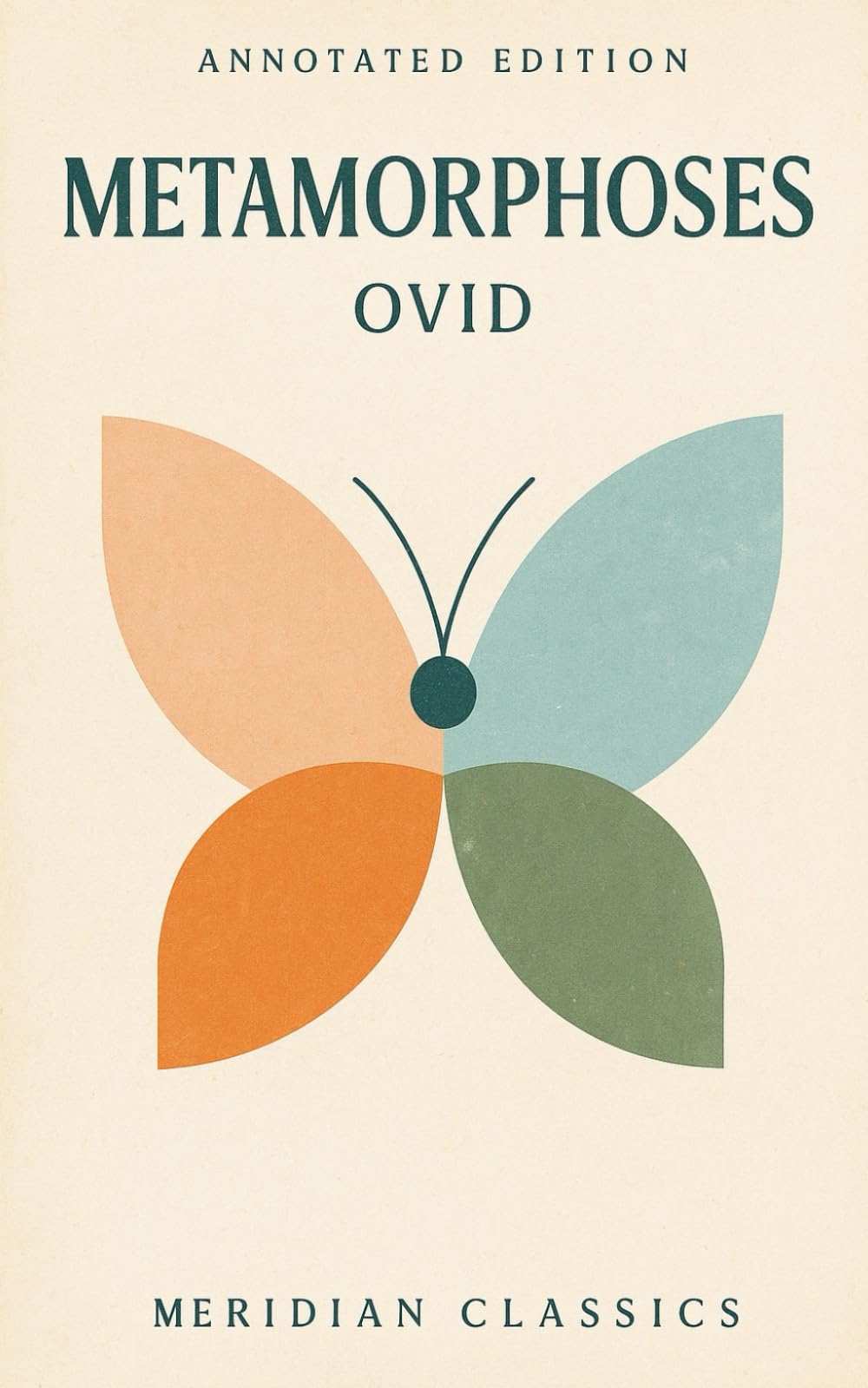



This annotated edition of "Metamorphoses" includes: Explanations of historical context - Literary comments and analyses Enter the magical world of ancient mythology through this masterful epic poem that weaves together hundreds of transformation stories from Greek and Roman tradition while creating one of literature's most influential explorations of change, love, and the relationship between divine and human nature. Ovid's innovative narrative structure connects diverse mythological tales through the common theme of metamorphosis, demonstrating how transformation serves as both punishment and reward, curse and blessing, while revealing the fluid boundaries between different states of existence and the constant potential for change that characterizes both natural and supernatural realms. Through stories ranging from the creation of the world and the great flood to the deification of Julius Caesar, the poem provides comprehensive survey of classical mythology while showcasing Ovid's extraordinary poetic skill in creating vivid characters and memorable scenes that bring ancient stories to life for contemporary readers. The work's exploration of love in all its forms, from mutual devotion and tragic obsession to divine rape and transformative passion, reveals both the creative and destructive powers of desire while examining how emotional experiences can literally reshape identity and physical existence in ways that reflect the psychological reality of intense feeling and personal change. Ovid's sophisticated narrative techniques, including embedded stories, multiple perspectives, and seamless transitions between different mythological traditions, create a reading experience that demonstrates how individual tales gain additional meaning when placed within larger frameworks that reveal recurring patterns and universal themes about human nature and divine intervention. The poem's influence on later literature, from Dante and Chaucer to Shakespeare and beyond, proves how classical mythology can provide enduring sources of inspiration for artistic creation while its psychological insights into transformation, identity, and the relationship between appearance and reality continue to resonate with contemporary readers facing their own challenges with change and adaptation. Through elegant verse that combines narrative clarity with rich descriptive detail, Ovid creates entertainment that serves both aesthetic and educational purposes while preserving cultural heritage that might otherwise be lost to time and changing social conditions. This essential work demonstrates how ancient literature can address universal human concerns through specific cultural materials while creating art that transcends its historical origins to speak to readers across centuries and civilizations about the eternal human experiences of love, loss, and the endless possibility of transformation and renewal.