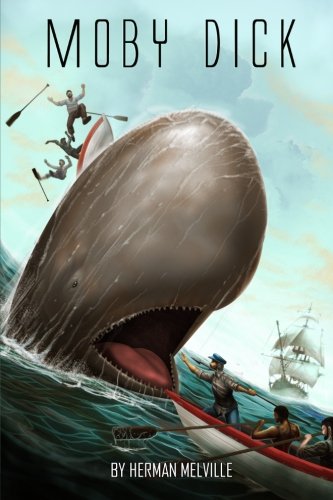



“I know not all that may be coming, but be it what it will, I'll go to it laughing.” --- Herman Melville, Moby-Dick; or, The Whale Moby-Dick is an 1851 novel by Herman Melville. It describes the ill-fated voyage of the whaling ship Pequod to find and destroy the eponymous white whale, driven by the obsessive Captain Ahab. The language is highly symbolic and many themes run throughout the work. The narrator's reflections, along with complex descriptions of the grueling work of whaling and personalities of his shipmates, are woven into a profound meditation on hubris, providence, nature, society, and the human struggle for meaning, happiness and salvation. Moby-Dick is often considered the epitome of American Romanticism. The opening line, "Call me Ishmael", is one of the most recognizable opening lines in Western literature. Ishmael then narrates the voyage of the whaleship Pequod, commanded by Captain Ahab. Ahab has one purpose: revenge on Moby Dick, a ferocious, enigmatic white whale which on a previous voyage destroyed Ahab's ship and severed his leg at the knee. The detailed and realistic descriptions of whale hunting and the process of extracting whale oil, as well as life aboard ship among a culturally diverse crew, are mixed with exploration of class and social status, good and evil, and the existence of God. Melville uses a wide range of styles and literary devices ranging from lists and catalogs to Shakespearean stage directions, soliloquies, and asides.