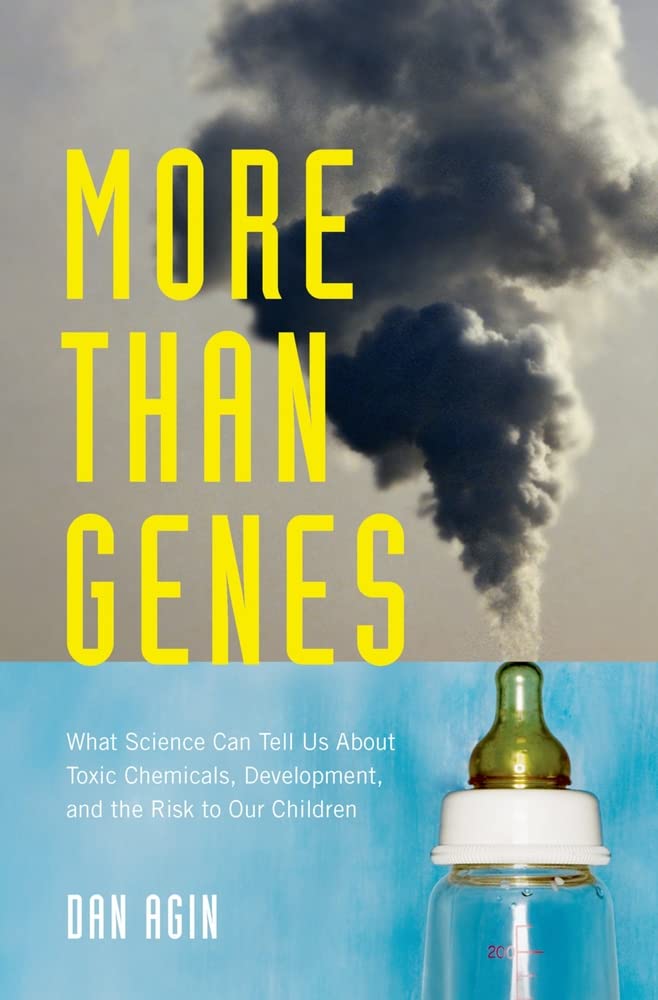



We are all shaped by our genetic inheritance and by the environment we live in. Indeed, the argument about which of these two forces, nature or nurture, predominates has been raging for decades. But what about our very first environment--the prenatal world where we exist for nine months between conception and birth and where we are more vulnerable than at any other point in our lives? In More Than Genes , Dan Agin marshals new scientific evidence to argue that the fetal environment can be just as crucial as genetic hard-wiring or even later environment in determining our intelligence and behavior. Stress during pregnancy, for example, puts women at far greater risk of bearing children prone to anxiety disorders. Nutritional deprivation during early fetal development may elevate the risk of late onset schizophrenia. And exposure to a whole host of environmental toxins--methylmercury, polychlorinated biphenyls (PCBs), dioxins, pesticides, ionizing radiation, and most especially lead--as well as maternal use of alcohol, tobacco, marijuana, or cocaine can have impacts ranging from mild cognitive impairment to ADHD, autism, schizophrenia, and other mental disorders. Agin argues as well that differences in IQ among racial, ethnic, and socioeconomic groups are far more attributable to higher levels of stress and chemical toxicity in inner cities--which seep into the prenatal environment and compromise the health of the fetus--than to genetic inheritance. The good news is that the prenatal environment is malleable, and Agin suggests that if we can abandon the naive idea of "immaculate gestation," we can begin to protect fetal development properly. Cogently argued, thoroughly researched, and accessibly written, More Than Genes challenges many long-held assumptions and represents a huge step forward in our understanding of the origins of human intelligence and behavior. "Agin marshals the scientific data to build an impressive case for his perspective, particularly regarding developmental problems in American babies compared with those in the rest of the world--it is frightening and deserves widespread attention."-- Publishers Weekly "Using interesting historical and contemporary examples, Dr. Agin strips away the fallacies of some of the most popular yet unsubstantiated notions regarding both the biological and environmental foundations of human behavior. At the same time, he provides the reader with an understanding of how the environment interacts with the genome from the very moment of conception to influence the developmental processes involved in this most complex structure in nature, the human brain." --Kim N. Dietrich, The University of Cincinnati College of Medicine "What particularly impresses me is that Dan Agin has achieved the very difficult task of interpreting children's environmental health research for the general reader in a scientifically balanced way. I recommend this book to anyone interested in how the environment affects the health of children." --Jonathan Grigg,, MD, Barts and the London School of Medicine and Dentistry "Refreshingly entertaining, yet hard-hitting and scrupulously honest, this book is as informative as it is a wake-up call about the reckless and thoughtless damage we inflict upon ourselves. It asks whether the womb is a safe place for the human fetus. No, it is not. Is it all genes that make us into what we become? No, it is not. This book is a very convincing exposé of the role of toxins in pre-natal development. But it is more--an outstanding popular science book with a social conscience." --Gisela Kaplan, University of New England, Australia "Brings together a wide array of material (all thoroughly referenced for the more technically interested reader) which combines to create a very complete picture of developmental and later-life effects of environmental exposures. It demonstrates the importance of changing the too commonly casual approach to fetal and child exposures." --Sally Ann Lederman, Columbia University "Dan Agin's message is a welcome relief from the bombardment of claims of genetic causes of human behaviour that we have received over recent years from the media and some branches of science." --Lesley J. Rogers, University of New England, Australia; author of Sexing the Brain "Solidly grounding his argument in the latest research, Agin demonstrates the importance of 'the first environment'--the nine months before birth that can affect the developing fetus in numerous ways that do not become evident till years later. And of particular significance for policy, he shows that the threats to fetal development are considerably greater for the poor, thus converting their social and economic conditions into biological effects with dire consequences for their long term health and cognitive abilities." --Bill Tucker, Rutgers University Genes aren't destiny. That's the message conveyed by Dan Agin in his new book, IMore than Genes$. Agin argues t