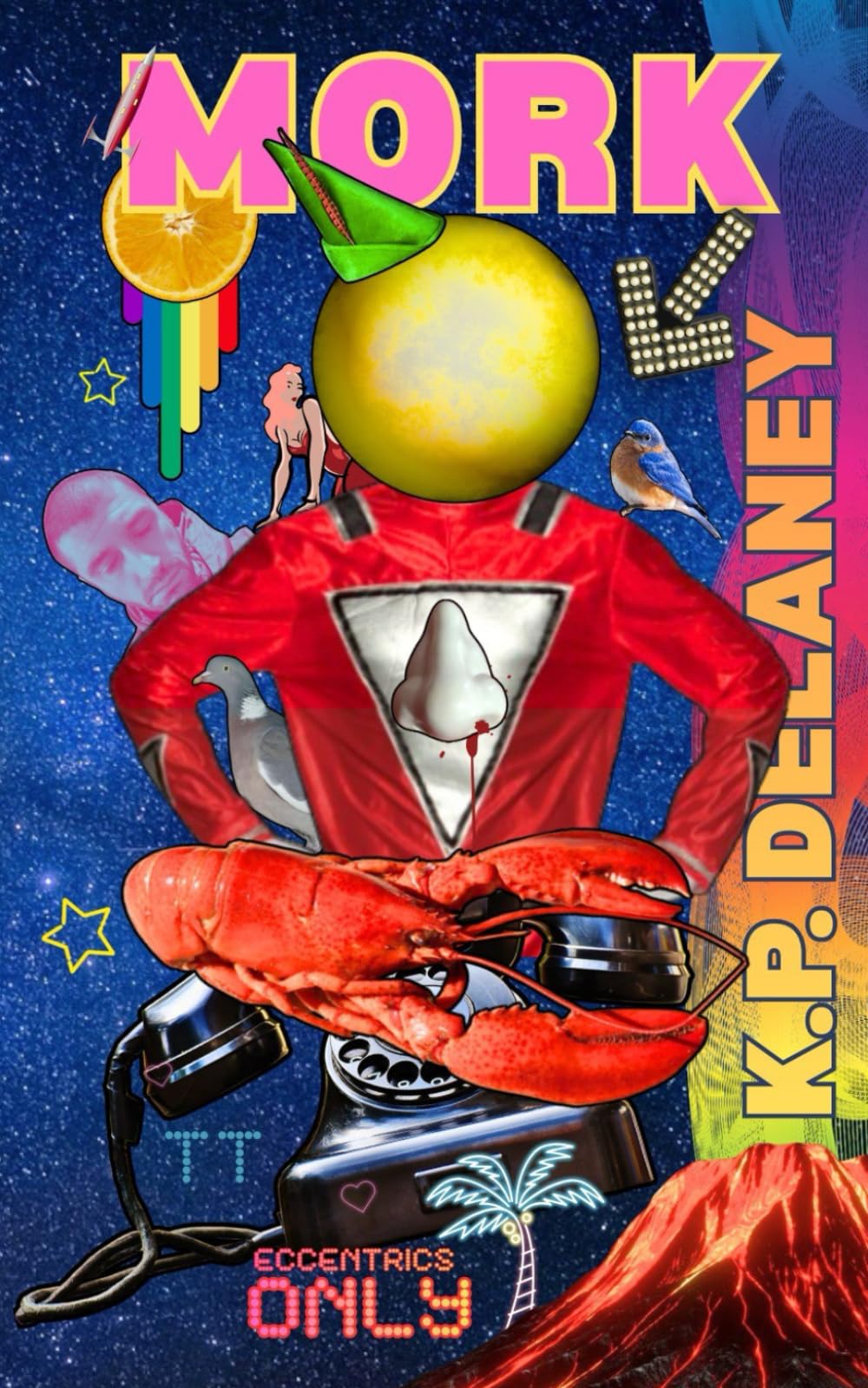



One night the phone rang. Not the landline in the kitchen, not his cell buzzing on his bedside table; just the lobster. A low, wet trill that came from inside the shell, like someone blowing across the lip of a bottle filled with porcupines of memory. Mork stood in the dark hallway, one shoe in his hand in case he needed to squash a Kafkaesque bug, and stared. The sound rose again, unmistakable. He had never connected it to anything; there were no wires, no battery, no speaker hidden in the plaster claws. It was a quirky knockoff of Dali’s original, or close enough. He stepped forward. The lobster’s antennae quivered, though there was no draft. Its eyes, opium pistils that stared a hole through his soul. Mork reached out, hesitated, then lifted the faintly pulsing receiver to his ear. At first, only a surf, a protracted withdrawal of water across stones. Then a noise, familiar in the way a scar is familiar—a bruise blossoming in real time. A black hole crying behind a laugh track, like Robin Williams smiling while brown irises drowned in pools of saline. The line crackled with static, and then clarity surfaced like a knife through lightning and thunder. He heard himself speak. “Are you good?” His echo was both a threat and a lifeline: a promise and a warning at once.