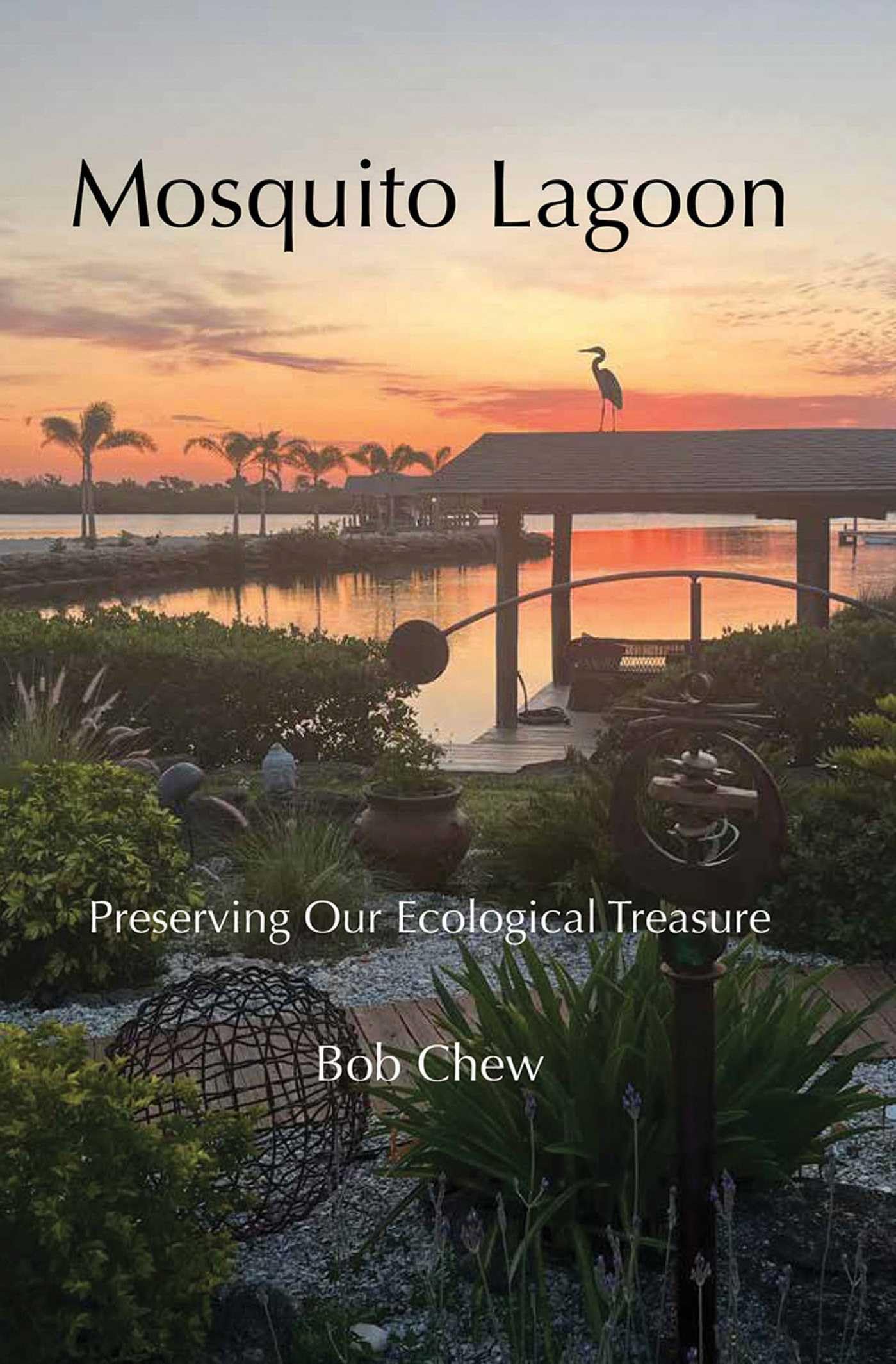



Describes for the non-scientist the rapid and recent decline of eastern Florida’s Mosquito Lagoon ecosystem, and what concerned citizens can do to help save this amazing ecological treasure. Coastal areas worldwide are most at risk from the disastrous impacts of over-development and climate change, none more so than our eastern Florida lagoons. Although we generally accept that human activities stress our environment, many of us remain unaware of how severe these impacts are locally and the enormity of our potential losses. Most importantly, we tend to think there is little as individuals we can do to reverse course. Written for the non-scientist, this book is a wake-up call on both themes. It looks first at important lagoon ecosystems, their interdependence, and their typically rapid and recent declines. It then moves on to more hopeful notes, introducing some of the many organizations dedicated to restoring a healthy lagoon environment, and new technologies being deployed to assist that effort. It concludes with a call to action, listing organizations to support and activities to engage in, allowing all concerned citizens to do their part in saving an amazing ecological treasure. "A treasure trove of information in a compelling read, invaluable for the public, policy makers, and the restoration community." - Kelli McGee, Executive Director, Riverside Conservancy Bob Chew grew up in Barrington, Rhode Island, spending summers exploring and fishing the surrounding waters. After obtaining a BA in Environmental Science from New England College, he followed his father as a boat builder before starting several companies engaged in eco-friendly building. Quickly becoming acquainted with the environmental threats to their new Florida retirement home, Bob and his wife Lisbeth joined the efforts of local groups working to restore the Mosquito and Indian River Lagoons to health.