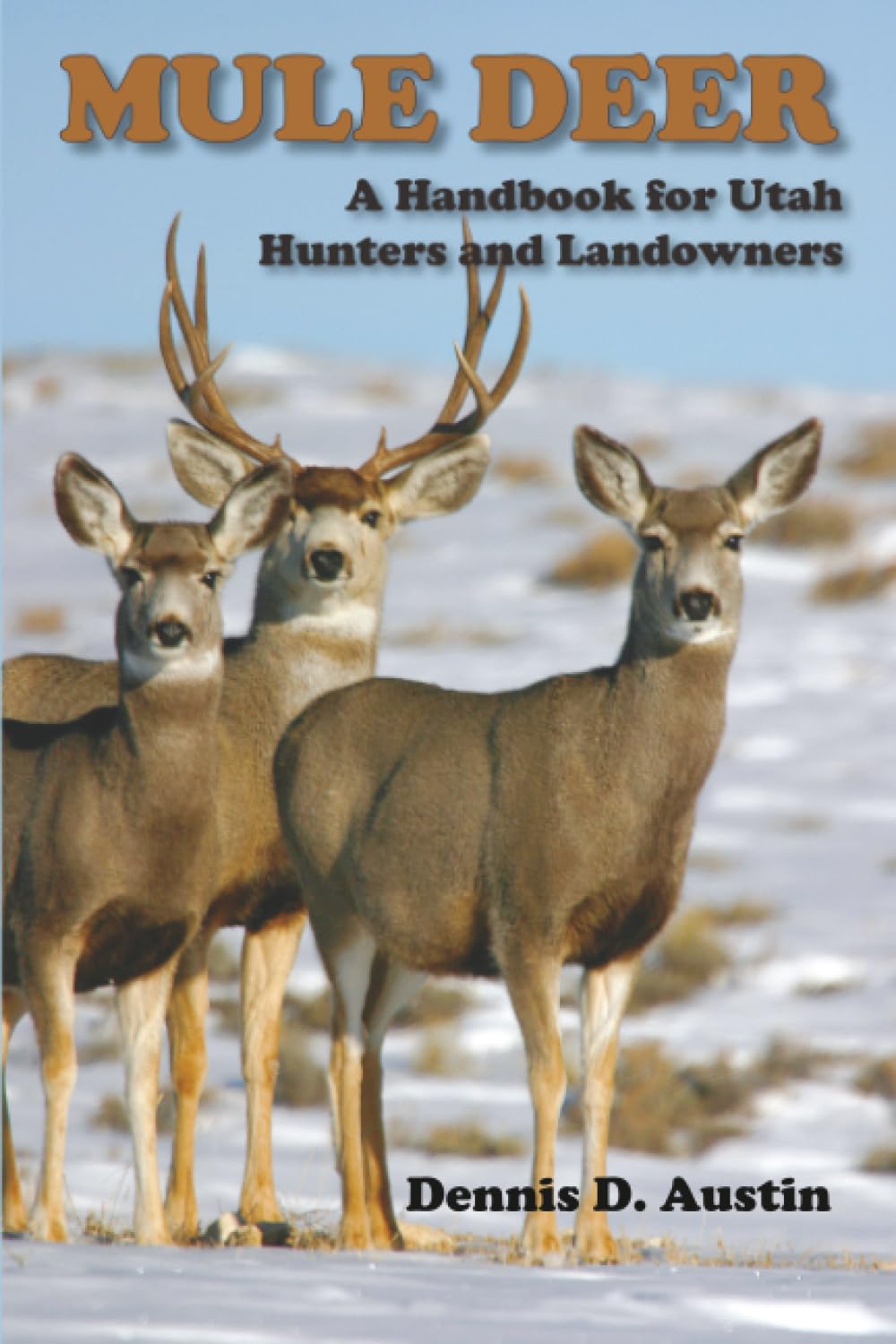



A complete guide to the history, biology, hunting, and management of mule deer in Utah. The author, Dennis D. Austin, is a retired research scientist with more than thirty years of experience working as a wildlife biologist for the Utah Division of Wildlife Resources. Mule Deer A Handbook for Utah Hunters and Landowners By Dennis D. Austin Utah State University Press Copyright © 2010 Utah State University Press All right reserved. ISBN: 978-0-87421-741-4 Contents Preface.......................................................................................................viiAcknowledgments...............................................................................................ix1. A Brief History of Mule Deer in Utah.......................................................................32. Life Cycle and Behavior....................................................................................293. Forages, Nutrition, and Water Requirements.................................................................324. Antlers, Carcass Measurements, and Venison Quality.........................................................425. Winter Range, Habitat Types, Migration, and Home Range.....................................................546. Mule Deer Relationships with Livestock, Elk, and White-tailed Deer.........................................637. The Influence of Predators on Mule Deer Populations........................................................768. Understanding Population Dynamics..........................................................................919. Profiles and Preferences of Hunters........................................................................11910. Hunter Ethics.............................................................................................13111. Successful Mule Deer Hunting..............................................................................13612. Utah Mule Deer Harvest....................................................................................15113. Management Challenges.....................................................................................17114. Lessons from the East Canyon and Oak Creek Management Units...............................................18615. Lessons from the Cache Management Unit....................................................................19716. Defining Management Techniques............................................................................22317. How to Manage a Mule Deer Herd-Data Collection and Management Decisions...................................238Epilogue......................................................................................................260Appendix: Utah Statewide Buck Harvest, Antlerless Harvest, and Hunters Afield, 1925-2008......................263Literature Cited..............................................................................................266About the Author..............................................................................................277Index.........................................................................................................278 Chapter One A Brief History of Mule Deer Management in Utah Prehistory Period: Before 1776 Indirect sources provide the only records of the diversity and abundance of wildlife prior to the Domnguez-Escalante historic exploration of Utah in 1776. For an estimated 10,000 to 14,000 years prior to written records, Native Americans evolved culturally and flora and fauna evolved biologically in Utah and throughout North America. Evolution in western North America, where water resources were limited, led to dry climate adaptations and decreased land productivity to support flora and fauna. Because of the dryer climate, the abundance of flora and fauna resources necessary for human survival probably fluctuated over time and space, and Native Americans developed community mobility to relocate readily to take advantage of food resources. However, it is also clear that some locations having reliable year-around or at least seasonally abundant food resources served as permanent quarters for at least a portion of the year. At least some of those quarters were probably located in the vicinity of big game and mule deer winter ranges. It is likely populations of Native Americans over these thousands of years increased and decreased with the availability of food resources. It is also likely that as human populations increased, their vulnerability to population collapse also increased because of rapid seasonal or annual changes in climate. Surely populations of mule deer followed similar cycles controlled primarily by climate, especially extremes in climate. Thus, frigid and extended winters or severe droughts over several years resulted in fluctuating food resources and limited populations of mule deer and many other species, including humans, in western North America. The prim