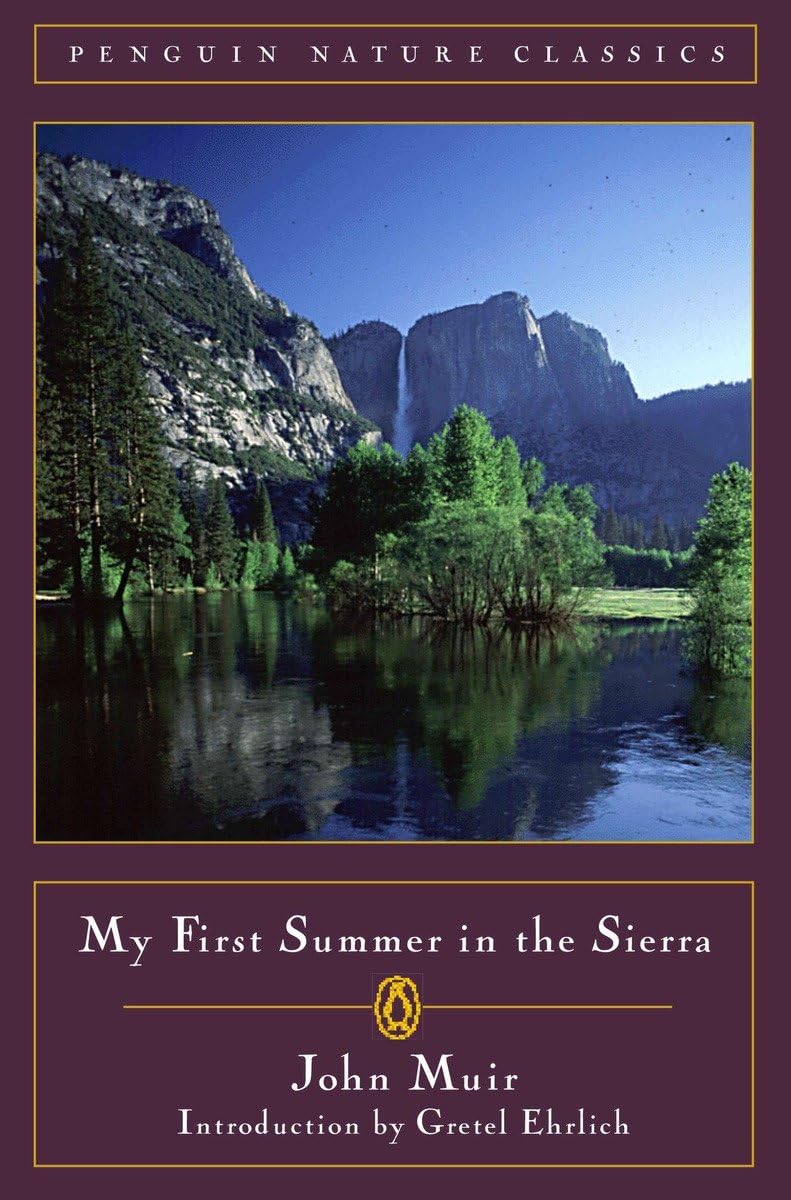



For more than seventy years, Penguin has been the leading publisher of classic literature in the English-speaking world. With more than 1,700 titles, Penguin Classics represents a global bookshelf of the best works throughout history and across genres and disciplines. Readers trust the series to provide authoritative texts enhanced by introductions and notes by distinguished scholars and contemporary authors, as well as up-to-date translations by award-winning translators. John Muir, a young Scottish immigrant, had not yet become the famed conservationist whom he liked to call "John o' the Mountains" when he first trekked into the foothills of the Sierra Nevada not long after the end of the Civil War. Having caught a glimpse of such magical places as Tuolumne Meadows and El Capitan, Muir ached to return, and in the summer of 1869 he signed on with a crew of shepherds and drove a flock of 2,500 woolly critters toward the headwaters of the Merced River. The diary he kept while tending sheep forms the heart of My First Summer in the Sierra ; published in 1911, it enticed thousands of Americans to visit the Yosemite country. The book is full of the concerns Muir would later voice as America's foremost preservationist and wildlands advocate, which would bear fruit in the creation of several national parks and monuments. And it resounds with Muir's nearly pantheistic regard for the natural world: with celebrations of the Sierra's lizards that "dart about on the hot rocks, swift as dragonflies," its mountain lions and tall trees and fierce thunderstorms and bears; with Muir's overarching awe for places that civilization had yet to tame. Though perhaps a little purple by modern standards, Muir's book continues to inspire readers to seek out such places for themselves and make them their own--and as such it stands among the enduring classics of environmental literature. --Gregory McNamee “As more and more of us grow aghast at what we have done to the world we started with, Muir’s reverence and devotion will seem keenly germane, and our regret may be transmuted into a fight for the future.” —Edward Hoagland John Muir (1838-1914) was born in Scotland. In 1849 he emigrated with his family to the United States, where he later enrolled in courses in chemistry, geology, and botany at the University of Wisconsin. Muir made extended journeys throughout America, observing both scientifically and enthusiastically the beauties of the wilderness. The Mountains of California , his first book, was published in 1894. He eventually settled in California, where he became an impassioned leader of the forest conservation movement. His writings include Our National Parks (1901), My First Summer in the Sierra (1911), The Yosemite (1912), Travels in Alaska (1915), A Thousand-Mile Walk to the Gulf (1916), and Steep Trails (1918).