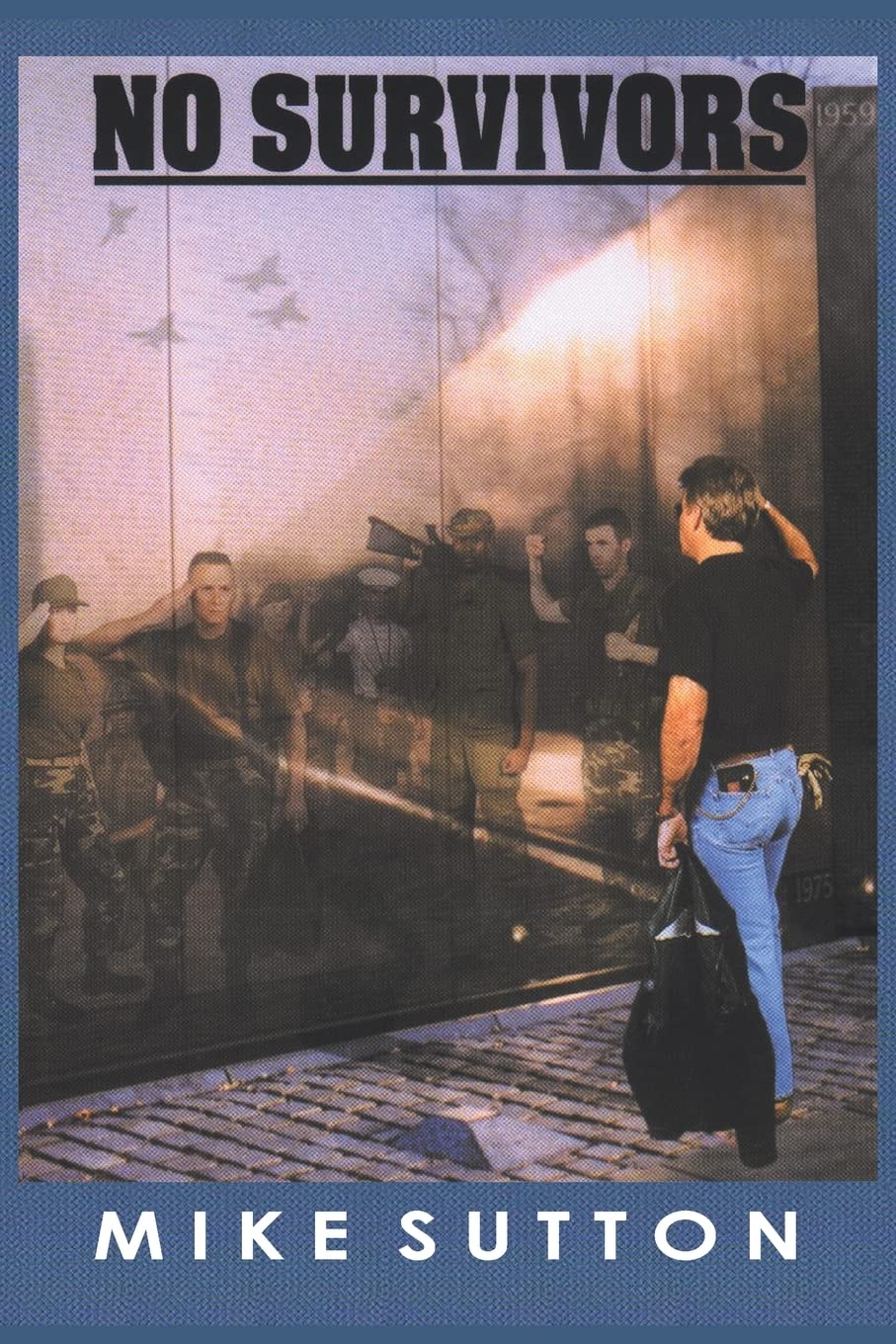



To many Americans, the VietnamWar was simply a misdirected conflict between the United States and the communistforces in Southeast Asia. Technology allowed Vietnam tobecome America'sfirst TV war and the images beamed across the nation further warped ourunderstanding of the hostilities half a world away. But, before there was any majorbuild-up of American forces; before the war became a proving ground for variousweapons systems; before the prime-time coverage and the public outcry, therewere infantry advisors. Although their role was quickly eclipsed by the larger,all U.S.operations, their efforts continued throughout the war. First sent by PresidentEisenhower in the late fifties, the advisors were America's initial Vietnamante. Their mission: train the SouthVietnamese in self-defense, weapons systems and tactics. Accompany them oncombat operations against the communists to provide tactical guidance and, oncecontact with the enemy was established, advisors provided the primarycommunications link to coordinate air strikes, artillery fire missions andmedical evacuations. In an attempt to make No Survivors as reader-friendly aspossible, a glossary of common terms has been included in the back of the book. Every aspect of the Vietnam War deservesspecial attention. No Survivors may help those who weren't in Vietnam - andthose who were - better understand a relatively little known corner of theconflict, the role of the advisor. "Every American, Vietnam veteran or not, will find No Survivors a magnificent illustration of one of the most painful chapters in our nation's history." -- Pete Peterson, Former Ambassador to Vietnam, POW Hanoi (1966-1973) "This may be Vietnam's version of All Quiet On The Western Front . If you read only one novel about Vietnam, make it No Survivors ." -- Captain Giles Norrington, POW, Hanoi (1968-1973) "This is a damn good book. It took me right back to Vietnam." -- Gene Risher, UPI Bureau Chief, Saigon (1966-1968) Reviewed By Captain Giles R. Norrington (USN Retried) POW Hanoi 05/1968 to 03/1973 Special to The Stars & Stripes " War indelibly brands the minds of its participants and victims. Nothing exorcises war's psychological residue. In that very real sense, are no survivors ." Mike Sutton's preamble to this marvelous work of fiction only hints at its depth. Just a few paragraphs into this book, I found myself back in Vietnam, feeling the tropical heat, mosquitoes, strangeness and, at the most basic level, the cool, lump-in-the-gut feeling that can quickly move from anticipation to terror. Critics worldwide praised All Quiet On The Western Front as the finest war novel ever written. I am convinced that many will consider No Survivors a worthy successor. This may be the definitive fictional work to emerge from Vietnam. The author, a decorated three-tour veteran of that terrible and terribly misrepresented and misunderstood conflict, speaks authoritatively through the words and experiences of his characters. Their actions are violent and their language that of the "grunt": gritty, colorful, profane. Their violence and profanity are the stuff of real life: it is not gratuitous. Sutton builds his characters with skill and a sharp eye for the qualitative differences that separate each of his protagonists from each other. Hunter Morgan, an "old-meat" sergeant with two combat tours under his belt, is the central character. Morgan is the sort of soldier you would want on your exposed flank. Henry Small Deer is a combat medic with an uncommonly sharp nose for trouble; when he senses danger, everyone pays attention. Jesse Edwards enters the picture as "new meat": a painfully naïve first-tour soldier who, as the story evolves, emerges as a fearless combat trooper with a very dark side. Samantha Crawford is the nurse that every wounded soldier hopes to be at his bedside - cool, capable and drop-dead gorgeous! Intrigue uniquely characterized the war in Vietnam, and one such web of mystery becomes the pivotal point for No Survivors , which focuses on a small group of Americans who served and fought beside the South Vietnamese soldiers and militiamen as part of the MAC-V, the Military Assistance Command Vietnam. They lived in villages with the people they were committed to defend, and thus were closest to the emotional vortex of the war. Many spoke the language, and all understood the danger confronting their Vietnamese counterparts every day and, more to the point, every night. Their situation was dangerous enough in the best of circumstances; with a traitor in their midst, even that narrow margin was eroded. In a series of increasingly deadly skirmishes with an enemy that seems to anticipate their every move, it becomes clear that among their number is a spy who is as committed to keeping the bad guys informed as the Americans are to preserving their skins. There finally comes a single deadly mission from a few living soldiers, but