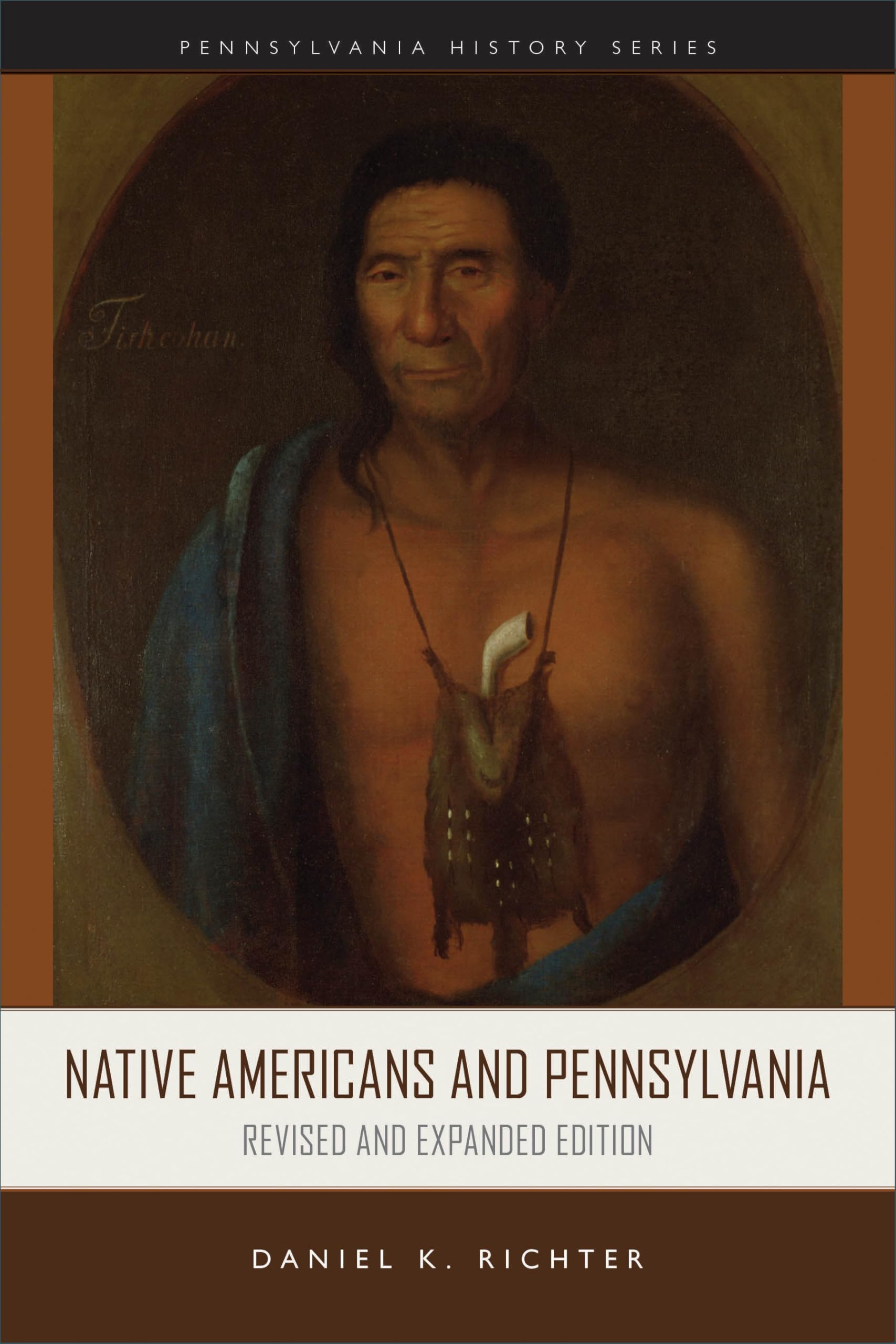



Engagingly written, deeply researched, and thoroughly revised to reflect the most recent interdisciplinary scholarship, this new edition of Native Americans and Pennsylvania focuses on Indigenous actors, voices, and landscapes, while tracing interconnections among local, continental, and global trends. The story begins thousands of years before there was such a thing as “Pennsylvania.” William Penn did not paint his colony on a blank canvas. Colonists adapted ancient patterns of trade and cultural interaction created by the ancestors of Lenape, Conestoga, and Haudenosaunee peoples and convinced themselves they had made them their own. In the process, Pennsylvanians developed moral justifications for the expropriation of Indigenous land, pernicious doctrines about racial superiority, and brutal mechanisms of vigilante violence that profoundly influenced later United States government policies. Those policies kept Pennsylvania in the foreground of national Native American issues long after the Commonwealth expelled the majority of its Indigenous population to far-flung diasporic homes: forced cultural assimilation at off-reservation boarding schools in the nineteenth century, cultural revitalization and political activism in the twentieth, and struggles with cultural institutions over the repatriation of human remains and controversies over who has the right to claim Indigenous identity in the twenty-first. In the series Pennsylvania History Daniel K. Richter is Roy F. and Jeannette P. Nichols Professor of American History Emeritus at the University of Pennsylvania and Director Emeritus of the McNeil Center for Early American Studies. He is the author of The Ordeal of the Longhouse: The Peoples of the Iroquois League in the Era of European Colonization; Facing East from Indian Country: A Native History of Early America ; and Before the Revolution: America’s Ancient Pasts .