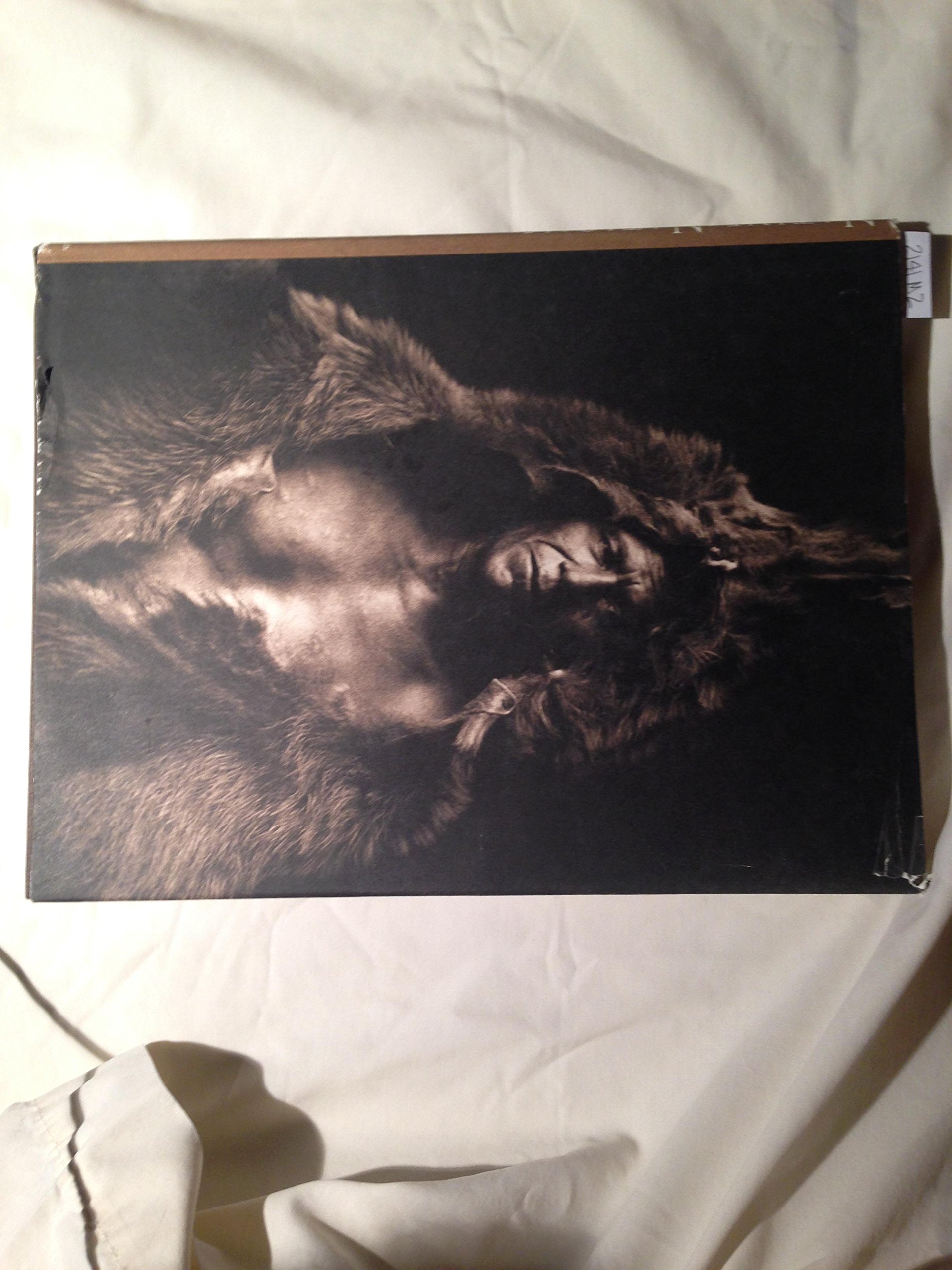



A collection of 125 photographs from turn-of-the-century photographer Edward Curtis chronicles the passing glory of the native American nations. Although all the photographs in this study have been collected elsewhere, never have the reproductions been of the quality evidenced here. Richard Benson, researcher extraordinaire in print technique, has developed a new method called stochastic screening that produces images with an amazing tonal range and ultrafine resolution. It is a benchmark against which all future photographic reproductions will be measured. As there is limited opportunity to view Curtis's rare 20-volume masterwork, The North American Indian , this book offers an excellent alternative, with images that have the richness of the original photogravures. This purchase is recommended for both its beauty and the uniqueness of its technological innovation. - Kathy J. Anderson , Indiana Ctr. for Global Business, Indiana Univ., Bloomington Copyright 1994 Reed Business Information, Inc. Practically everyone who has seen a film or illustrated book on the history of North American Indians has seen some of the photographs of Edward S. Curtis (1868-1952), an ethnographer when the word was young and obscure. He undertook to document all the North American tribes when he was young and ignorant enough to think it would be a relatively manageable task, 5 or 6 years long and costing $25,000. It took 30 years and $1.5 million instead, expanding in the process to include the making of 10,000 wax cylinder recordings of Indian language and music. The photographs and accompanying descriptive text were eventually published in 20 volumes, from which 110 plates and excerpts have been culled for this handsome oversize book. The cachet of this particular outing for these pictures is that they are reproduced via a new method that allows greater tonal fidelity and resolution than halftone dot generation; these pictures look more like direct prints from negatives. Most impressive. Ray Olson Used Book in Good Condition