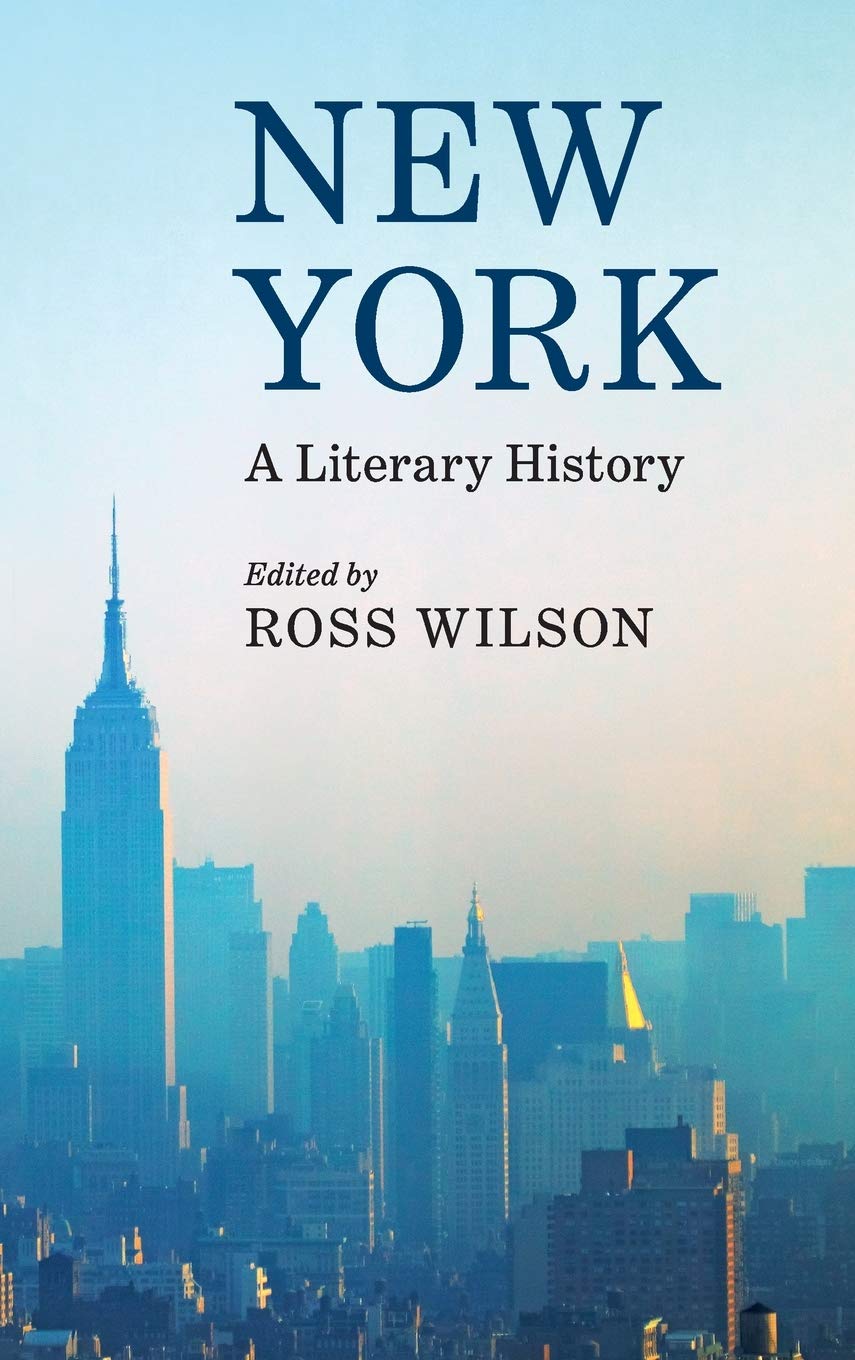



New York City's streets, parks, museums, architecture, and its people appear in an array of literary works published from New York's earliest settlement to the present day. The exploration of the city as both a symbol and as a reality has formed the basis of New York's literature. Using the themes of adaptation, innovation, identity, and hope, this history explores novels, poetry, periodicals, and newspapers to examine how New York's literature can be understood through the notion of movement. From the periodicals of the nineteenth century, the Arabic writers of the city in the early twentieth century, the literature of homelessness, childhood, and the spaces of tragedy and resilience within the metropolis, this diverse assessment opens up new areas of research within urban literature. It provides an innovative examination of how writing has shaped the lives of New Yorkers and how writing about the city has shaped the modern world. ‘The collection is too eclectic and wide-ranging to serve as a reference resource, but all the essays are thoughtful, well written, and provocative. The study of literature through the lens of space and place is a significant critical trend, one to which this book is an important contribution … Highly recommended.’ J. W. Miller, Choice The city's literature is explored in this volume, which reveals a metropolis in a constant state of movement. Ross Wilson is Director of Liberal Arts at the University of Nottingham. He studies the modern history, heritage and memory of New York with a specific concern for how people form a sense of place within the city in the past and in the present. His work includes New York and the First World War: Shaping an American City (2015).