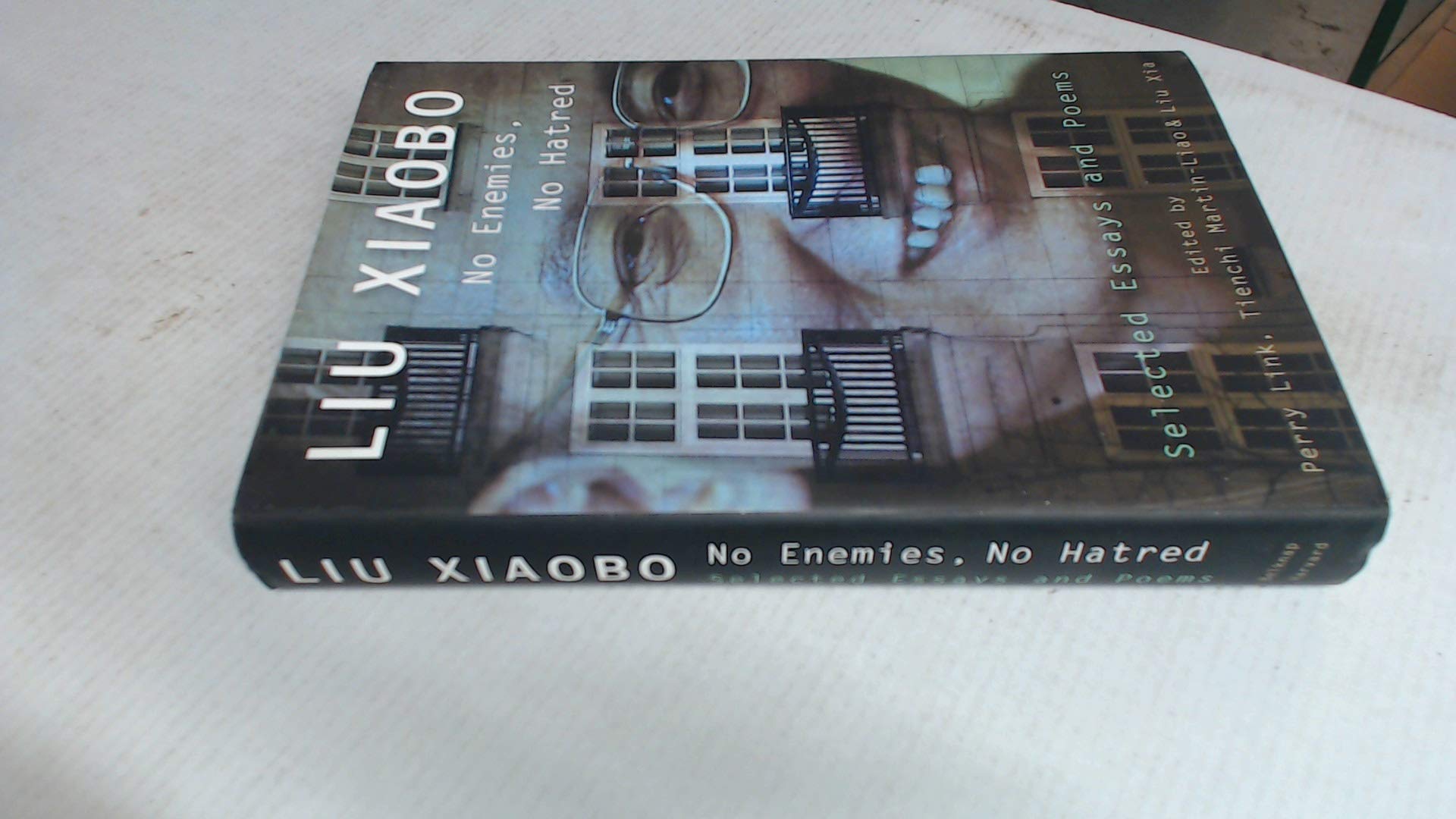



When the Nobel Peace Prize was awarded on December 10, 2010, its recipient, Liu Xiaobo, was in Jinzhou Prison, serving an eleven-year sentence for what Beijing called “incitement to subvert state power.” In Oslo, actress Liv Ullmann read a long statement the activist had prepared for his 2009 trial. It read in part: “I stand by the convictions I expressed in my ‘June Second Hunger Strike Declaration’ twenty years ago—I have no enemies and no hatred. None of the police who monitored, arrested, and interrogated me, none of the prosecutors who indicted me, and none of the judges who judged me are my enemies.” That statement is one of the pieces in this book, which includes writings spanning two decades, providing insight into all aspects of Chinese life. These works not only chronicle a leading dissident’s struggle against tyranny but enrich the record of universal longing for freedom and dignity. Liu speaks pragmatically, yet with deep-seated passion, about peasant land disputes, the Han Chinese in Tibet, child slavery, the CCP’s Olympic strategy, the Internet in China, the contemporary craze for Confucius, and the Tiananmen massacre. Also presented are poems written for his wife, Liu Xia, public documents, and a foreword by Václav Havel. This collection is an aid to reflection for Western readers who might take for granted the values Liu has dedicated his life to achieving for his homeland. A prominent Chinese intellectual and activist, Liu won international renown when he received the 2010 Nobel Peace Prize. Currently, he is serving an 11-year sentence, his fourth imprisonment in the past 22 years. Originally selected by his wife, Liu Xia, this collection of essays and a sprinkling of poems covers two decades of Liu’s writings about politics, culture, and human and civil rights in contemporary China and details his transformation from bystander to observer to advocate. Though he is an equal in many respects to Václav Havel, who contributed a foreword to this volume, Liu is not as literary a figure. Instead, his voice is humble and inelegant, if vigorous. Liu’s style reflects his enthusiastic adoption of the Internet and his strong identification with netizens everywhere. His writing would be simply informative if his subjects were not so urgent and the clarity of his moral stance not so gem hard, crystal clear, and necessary, as when he writes, Let’s face it, the only way to live in dignity, inside this depraved society that we inhabit, is to resist. --Michael Autrey The message contained in this book is so powerful that Liu has been imprisoned solely for exercising his right to free expression. The awarding of the Nobel Peace Prize to Liu is a testament to the strength of his message and to all the Chinese activists who sacrificed their lives and so much else in the pursuit of freedom and democracy in China. The essays of Liu Xiaobo have inspired freedom loving people not only in China but around the world. (Nancy Pelosi, House Democratic Leader) Liu Xiaobo insists on "living in truth." Each time I re-read his astute essays and merciless self-dissections, I am struck again: here truly is a different kind of Chinese intellectual. The essential value of the essays in this volume springs from that very source: Liu Xiaobo lives in truth; he is different. (Ding Zilin, Founder of the Tiananmen Mothers) Presented in a lucid and persuasive manner with obvious but well restrained moral passion, this book offers a leading Chinese intellectual dissident's thoughts over the past two decades on his persistent efforts to bring about a free, democratic and civilized China. Liu's engagé writings keep alive the modern Chinese tradition of intellectual pursuit of liberal democracy and constitute another page of individual struggle for human freedom and dignity. This book is for anyone who is concerned with a better China and a better world. (Josephine Chiu-Duke, University of British Colombia) The massacre in Beijing in 1989 turned Liu Xiaobo, almost literally overnight, toward passionate pursuit of democracy, constitutional government, and respect for the dignity of the individual person. The quest has sent him to prison four times, yet he insists that he "has no enemies." Some day, I am sure, his works will be available in China for his fellow citizens to read and discuss. He has never let go of the present, and is sure to win the future. He belongs to China--just as China, in part, belongs to him. (Pu Zhiqiang, rights lawyer, Beijing) The voice of Liu Xiaobo, though silenced in his motherland, is a voice that conveys the long-cherished aspirations of the Chinese people. It is our good fortune that we now have this voice in English translation which, while faithful to the original meaning, also preserves the power of his original message. (Ying-shih Yu, Princeton University) Liu Xiaobo's brilliant essays express more than political dissidence in China. They do that too, heroically. But they are also the wor