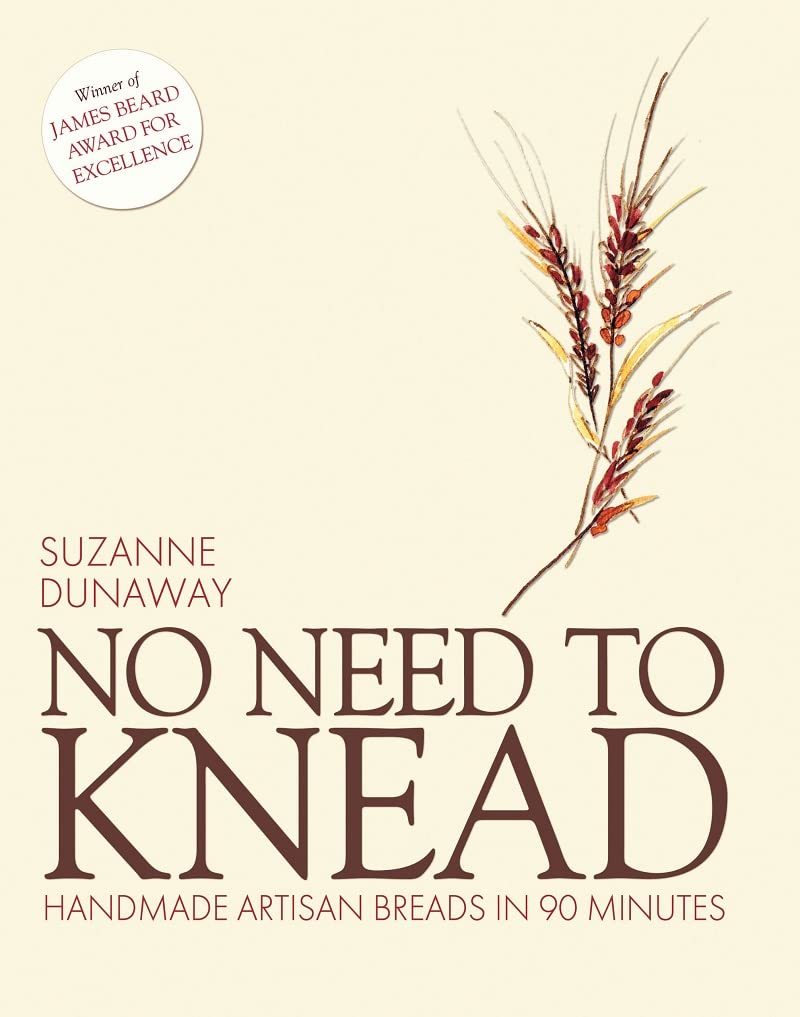



Acclaimed professional baker Suzanne Dunaway reveals her truly revolutionary technique for baking unforgettable breads that that require no fuss and no special equipment. The crusts are lighter, chewier, and the crumb is moist, stays fresh longer, and has more intense flavor than most breads. Her ingredients are simply flour, water, yeast and salt - and, passion. She uses no preservatives or additives of any kind. The recipes are her own creations, developed over years of trial and error. You will find focaccia, ciabatta, pane rustico and pizza as well as breads from around the world such as baguette, sourdough flapjacks, blini, muffins, corn bread, brioche, African Spiced bread, kulich and kolaches. In addition many of the basic bread doughs are fat-free, sugar-free and dairy-free making then perfect for people on strict dietary or allergy regimes. There are also dozens of recipes for dishes you can make with bread – soufflés, soups, salads and even desserts such as chocolate bread pudding. Plus fun recipes to make with children. Suzanne Dunaway is the owner and head baker of Buona Forchetta Hand Made Breads in Los Angeles. Hailed as one of the seven best bakeries in the world by one magazine and Gourmet called her breads ‘addictive.’ Suzanne Dunaway is the owner and head baker of Buona Forchetta Hand Made Breads in Los Angeles. Hailed as one of the seven best bakeries in the world by one magazine and Gourmet called her breads ‘addictive.’ No Need to Knead Handmade Artisan Breads in 90 minutes By Suzanne Dunaway Grub Street Copyright © 2012 Suzanne Dunaway All rights reserved. ISBN: 978-1-908117-21-2 Contents INTRODUCTION, DAILY BREADS, TRADITIONAL BREADS, PIZZA, SWEET LOAVES AND OTHERS, SPECIAL BREADS AND BREADSTICKS, LEFTOVERS, Bruschette, Bruschettine, Bread Soufflés, Bread in Pasta and Rice, Bread Soups, Bread for Dessert, Exotic Croutons and Breadcrumbs, BREAD FOR CHILDREN, Acknowledgements, Index, CHAPTER 1 Daily Breads When I lived in Rome, my mornings began with a stop at the Local panificio, the bakery, where I could gather the latest gossip, gaze upon the Caravaggio countenances of my neighbour's children, and flirt wantonly with the handsome bakers, their beautiful faces dusted with flour and looking like medieval actors on a fragrant stage. The six-foot-long pizza bianca (page 85) would first be placed on a wooden paddle, carefully pleated, like a piece of fabric, liberally brushed with olive oil and then quickly pulled to its full length over the stone floor of the oven. The owner would hack off great chunks of pane casereccio for the housewives' lunches, and children would inevitably be munching on fresh little anise-flavoured biscotti or pieces of just-baked pizza bianca, a morning favourite of every Italian, young and old. How different from shopping at our supermarkets, where the shelves are lined with packaged breads, soft, cottony, and most inedible (except for the whole-grain speciality breads that every now and then make a good piece of toast). We have been known for years as the country of wonder bread, Twinkies, and doughnuts, and it is no wonder that there are national rampages against the presence of some of our junk-food restaurants in countries such as France and Italy. Our culture has never been one to embrace artisan bread. Not, at least, until now. In existence for only a mere 250 or so years, we have the daunting but exciting task of creating our own food history, and we are fast catching up in the realm of daily breads. We have marvellous bakers who can hold their own among the world's masters, while ironically the French, after hundreds of years, lament the loss of their crusty, dense and flavourful baguettes, the backbone of any French meal. The French baguette is probably the most influential bread in modern bread-making. Everyone wants to make a baguette like the lovely crisp artisan ones found nowadays only in small, village bakeries in France, and occasionally in select city bakeries. And if the rustic country breads of Italy were more prevalent here, I am sure that they, too, would be the breads we would emulate more often; it is these breads that I want to eat on a daily basis. It is a formidable challenge, however, to encourage education about bread to a country of people who grew up with sliced, white, tasteless loaves. Now, when you watch someone bite into your own handmade Rosemary Focaccia or Olive Filoncino, you will, I believe, find a willing convert and student. Education begins, of course, with children. For heaven's sake, give children a great-tasting bread in their lunch boxes instead of calorie-rich, sugar-filled snacks or sliced commercial breads. I often do demonstrations in supermarkets or at events to acquaint the public with breads from Buona Forchetta, and I am struck by one thing that happens over and over again: mothers with children are very open to having their babies taste new flavours,