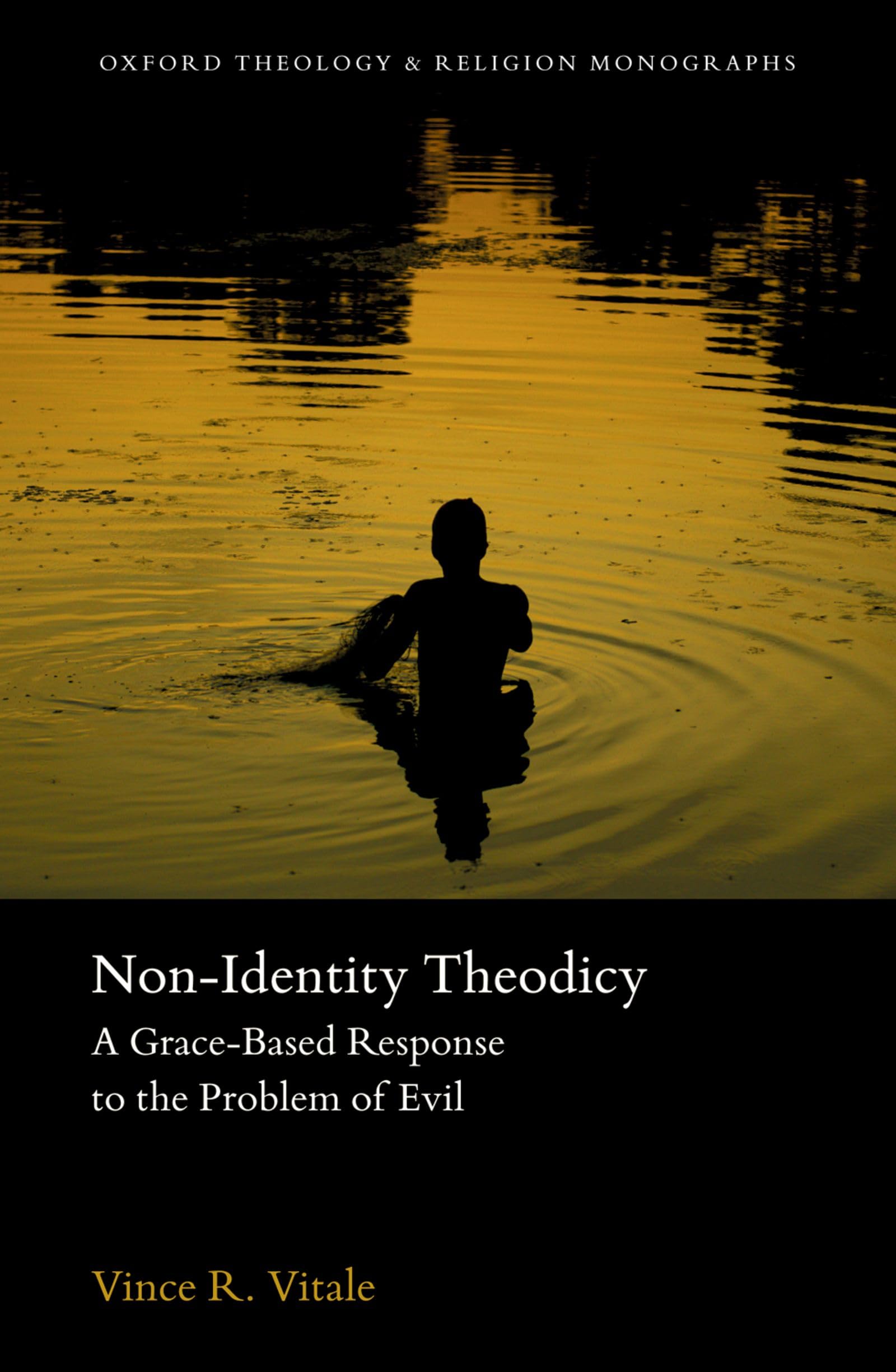
Non-Identity Theodicy: A Grace-Based Response to the Problem of Evil (Oxford Theology and Religion Monographs)
$34.97
by Vince R. Vitale



Questions as personal as those about suffering require a very personal response. However, the most popular responses to 'the problem of evil' revolve around abstract discussions of greater goods, maximization of value, and best possible worlds, depicting God as at best an impartial bureaucrat and at worst a utility fanatic, rather than as a loving parent concerned first and foremost for his children. Vince R. Vitale develops Non-Identity Theodicy as an original response to the problem of evil. He begins by recognizing that horrendous evils pose distinctive challenges for belief in God. The book constructs an ethical framework for theodicy by sketching four cases of human action where horrendous evils are either caused, permitted, or risked, either for pure benefit or for harm avoidance. This framework is then brought to bear on the project of theodicy. The initial conclusions drawn impugn the dominant structural approach of depicting God as causing or permitting horrors in individual lives for the sake of some merely pure benefit. This approach is insensitive to relevant asymmetries in the justificatory demands made by horrendous and non-horrendous evil and in the justificatory work done by averting harm and bestowing pure benefit. Vitale then critiques theodicies that depict God as permitting or risking horrors in order to avert greater harm. The second half of this book develops a theodicy that falls outside of the proposed taxonomy. Non-Identity Theodicy suggests that God allows evil because it is a necessary condition of creating individual people whom he desires to love. This approach to theodicy is unique because the justifying good recommended is neither harm-aversion nor pure benefit. It is not a good that betters the lives of individual human persons―for they would not exist otherwise, but it is the individual human persons themselves. "Critics of contemporary work on theodicy often complain that it fails to take deep and important issues of moral theory seriously. Vince Vitale's volume directly addresses this shortcoming, showing how careful attention to normative questions related to permitting or even causing evil reshapes how we should understand the problems of evil. Any philosopher or theologian working in this area will be forced to grapple with the arguments and challenges that Vitale lays out here." -- Michael J. Murray, Author of Nature Red in Tooth and Claw: Theism and the Problem of Animal Suffering "In Non-Identity Theodicy , Vitale provides a new angle into an age-old question facing those who believe in the traditional theistic God - why does He tolerate evil? With care and clarity, Vitale makes a powerful case that the best answer to this question must take full account of a simple fact it is easy to overlook - nobody asking this question today could have existed had God created a world which was very different in these respects from the one we find ourselves in; a fortiori, none of us could have benefitted had He done so." -- T. J. Mawson, University of Oxford "Creatively, rigorously and persuasively, Vince Vitale shows how the meaning-disrupting power of 'horrors' can be countered, if we take providence to be ordered not simply to the production of good states of affairs, but to particular individuals considered as the targets of an unswerving divine love. This book radically reconfigures philosophical discussion of the problem of evil - making it at once humanly more engaging, and theologically more profound." -- Mark Wynn, University of Oxford "Vince Vitale's intellectually compelling and pastorally sensitive work offers a highly valuable resource for moral thinking about love, suffering and evil. His precise framing of God's parental relationship to beloved, suffering creatures charts fruitful routes forward for ethics across challenging personal, familial and political terrain." -- Joshua Hordern, University of Oxford Vince R. Vitale is a co-founder, with his wife Jo, of Kardia― ministry focused on reconciliation to God, with others, and within the self. He also serves as Faculty Scholar at CEO Forum. Vitale was educated at Princeton University and the University of Oxford and did his doctoral research under the supervision of philosophers Marilyn McCord Adams and Robert Merrihew Adams. Before founding Kardia, Vitale was a faculty member briefly at Princeton and for several years at Oxford.