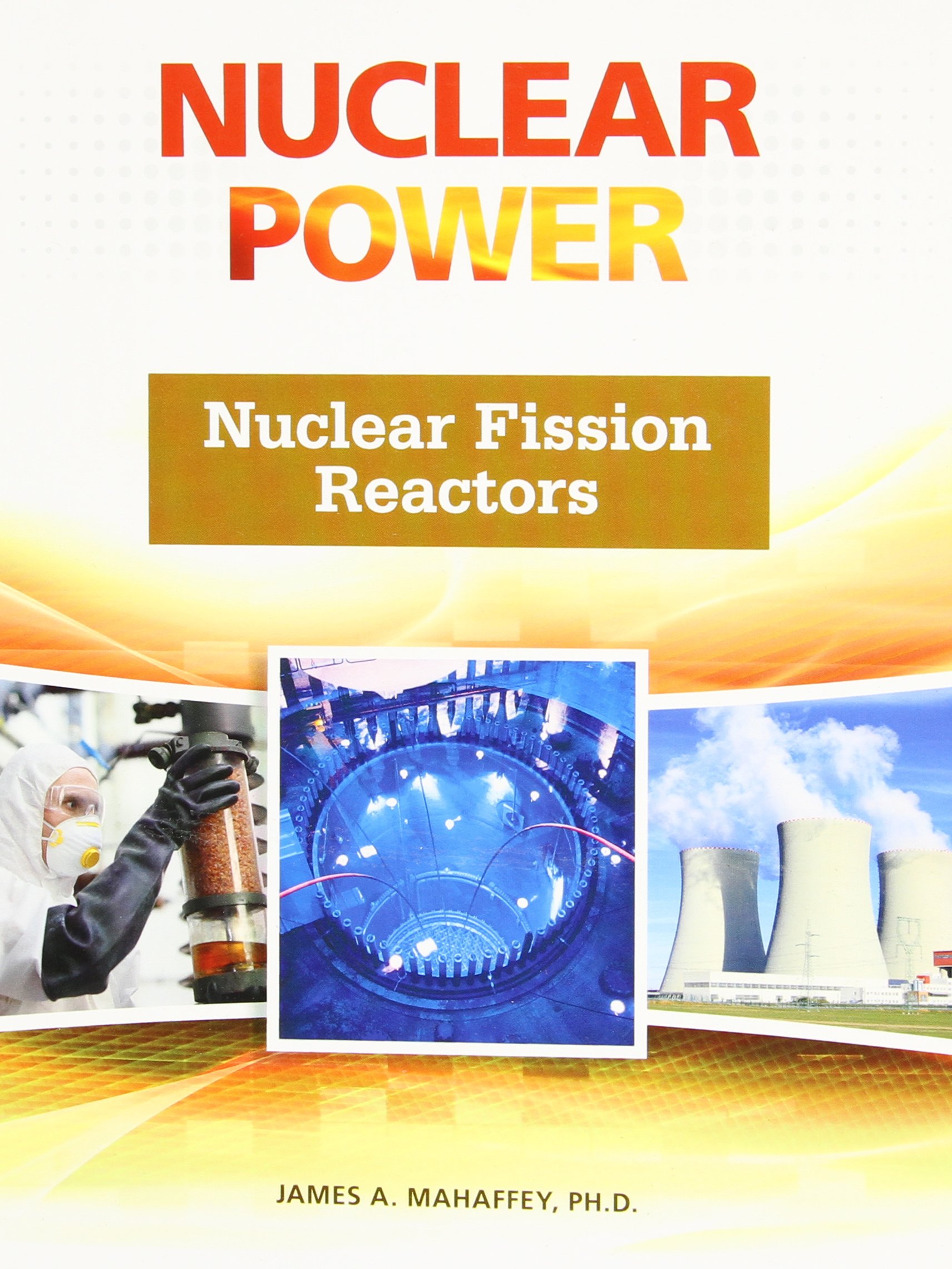



Despite the many practical ways to make electrical power using nuclear reactors, the world seems to have settled on using water heated to a boil by nuclear fission as the method of choice. There are several sub-types of nuclear reactors presently being used as energy sources worldwide. Nuclear Fission Reactors attempts to make sense of the technical chaos by breaking it down into small parts and explaining the purpose and function of each one. Readers are taken on a tour of a General Electric boiling water reactor plant, giving them a thorough understanding of nuclear power production. Covering such topics as air pollution, thermal pollution, the ultimate availability of uranium, fuel reprocessing, and the bottom-line cost of nuclear power, this new, full-color resource gives a detailed analysis of nuclear fission reactors with an index, glossary, chronology, and further resources. Although nuclear reactors have more moving parts, pipe-runs, and information-gathering systems than could be imagined 70 years ago, this comprehensive book makes this complicated technique understandable, filling in the thin spots in our collective knowledge. School Library Journal Gr 9 Up-This informative series explores the history, science, and technology of nuclear power. Mahaffey also addresses public concerns about radiation and nuclear safety. The coverage is in-depth, detailed, and meticulously researched. The March 11, 2011 earthquake and tsunami that destroyed the Fukushima I Nuclear Power Plant in Japan are mentioned in Fission Reactors. (c) Copyright 2011. Library Journals LLC, a wholly owned subsidiary of Media Source, Inc. No redistribution permitted. The Nuclear Power set is written for those who are facing a growing world population with fewer resources and an increasingly fragile environment. A deep understanding of physics, mathematics, or the specialized vocabulary of nuclear technology is not necessary to read the books in this series and grasp what is going on in this important corner of science. Understand the problems, meet the challenges, and be ready for the future with the information in these books. This set is ideal for students and researchers interested in nuclear power. Key Features: · Each volume in the set includes an index, a chronology of important events, and a glossary of scientific terms. · A list of books and Internet resources for further information provides the young reader with an extended depth for every topic, as the study of nuclear technology expands to touch every aspect of the technical world. The Nuclear Power set is written for those who are facing a growing world population with fewer resources and an increasingly fragile environment. A deep understanding of physics, mathematics, or the specialized vocabulary of nuclear technology is not necessary to read the books in this series and grasp what is going on in this important corner of science. Understand the problems, meet the challenges, and be ready for the future with the information in these books. This set is ideal for students and researchers interested in nuclear power. Key Features: · Each volume in the set includes an index, a chronology of important events, and a glossary of scientific terms. · A list of books and Internet resources for further information provides the young reader with an extended depth for every topic, as the study of nuclear technology expands to touch every aspect of the technical world. James A. Mahaffey, Ph.D., has more than 25 years' experience as a senior research scientist at the Georgia Tech Research Institute, where he was engaged in a wide variety of projects, ranging from theoretical mathematics to nuclear science. At the Georgia Institute of Technology, he completed undergraduate and master's studies and earned a doctorate there in nuclear engineering. He was director of a long-term project to design and build the Emergency Response Data System at Georgia Power's Plant Hatch nuclear power station. He has also worked on projects for the Defense Nuclear Agency, the National Ground Intelligence Center, and the Air Force Air Logistics Center.