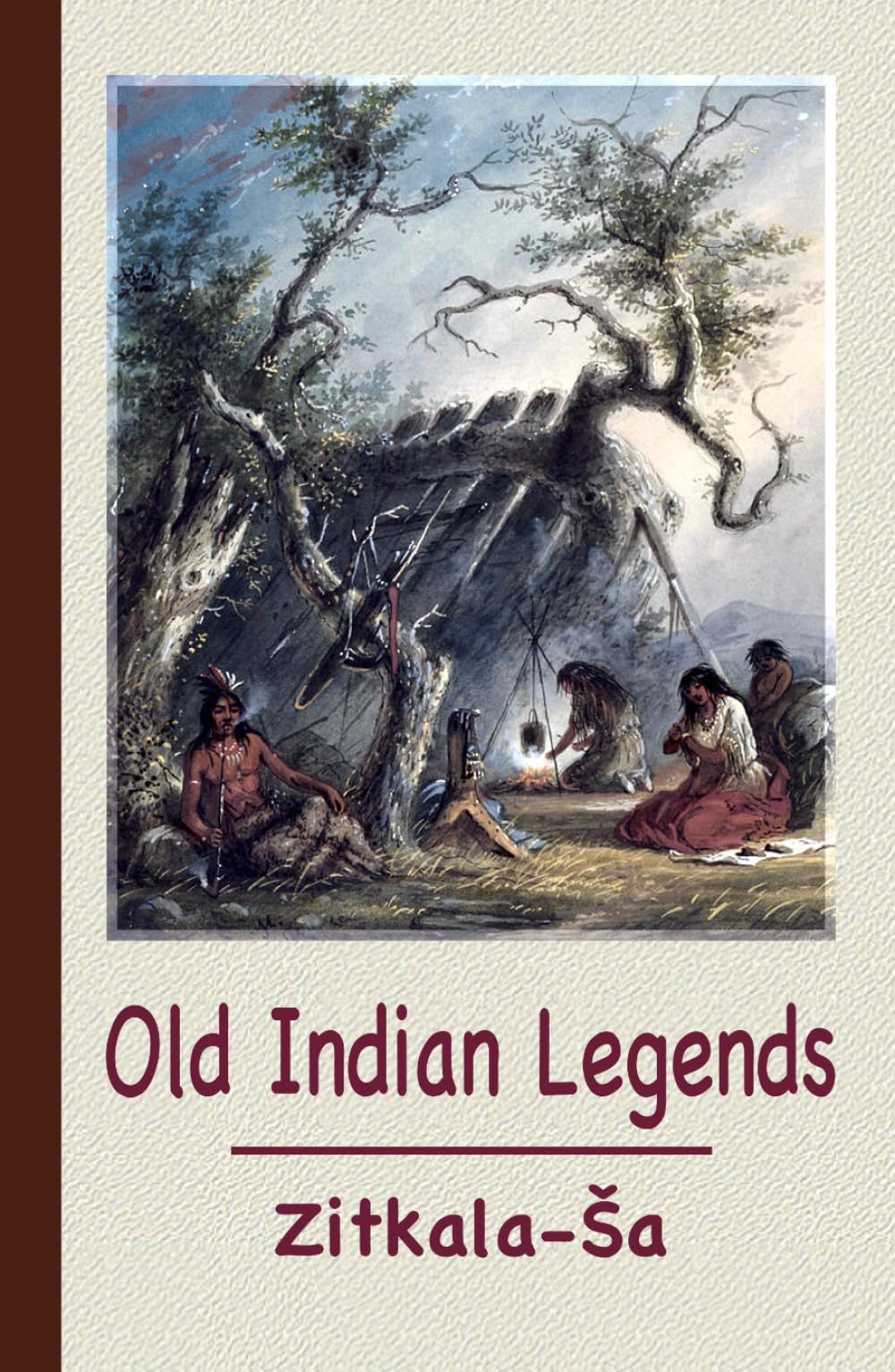



Zitkala-Ša (1876-1938), used the white world’s education forced upon her to campaign for justice for Native Americans. A Dakota Sioux, born on the Yankton Indian Reservation, she was sent at the age of eight to White's Manual Labor Institute in Indiana. At the Quaker-run school, she studied music and developed a desire for learning. Throughout the remainder of her life, however, she felt resentment toward those who had stripped her of native manners and dress, insisting that she accept their religion and endure second-class status in their world. After graduating from Earlham College, where she had excelled in oratorical competition, she spent two years as a violinist at the New England Conservatory of Music, before taking a position at the Carlisle Indian Industrial School. Dismissed for her article critical of Carlisle’s methods in Harper’s Monthly , she returned to the Yankton Reservation. While employed as a clerk at Standing Rock Reservation, met and married Ray Bonnin, also a Sioux. Both became active in promoting Native-American causes. In subsequent years, Zitkala-Ša (Gertrude Bonnin) continued her activism, serving as Editor of American Indian Magazine and as Secretary of the Society of American Indians. She published American Indian Stories in 1921, as well as other collections of stories and legends through the years, and published numerous articles for Harper’s and other publications. In 1926, she founded the National Council of American Indians, particularly to advocate for full citizenship rights—especially for voting rights—for Native Americans. Largely through the efforts of Zitkala-Ša and other indigenous lobbyists, the Indian Citizenship Bill became law in 1924.