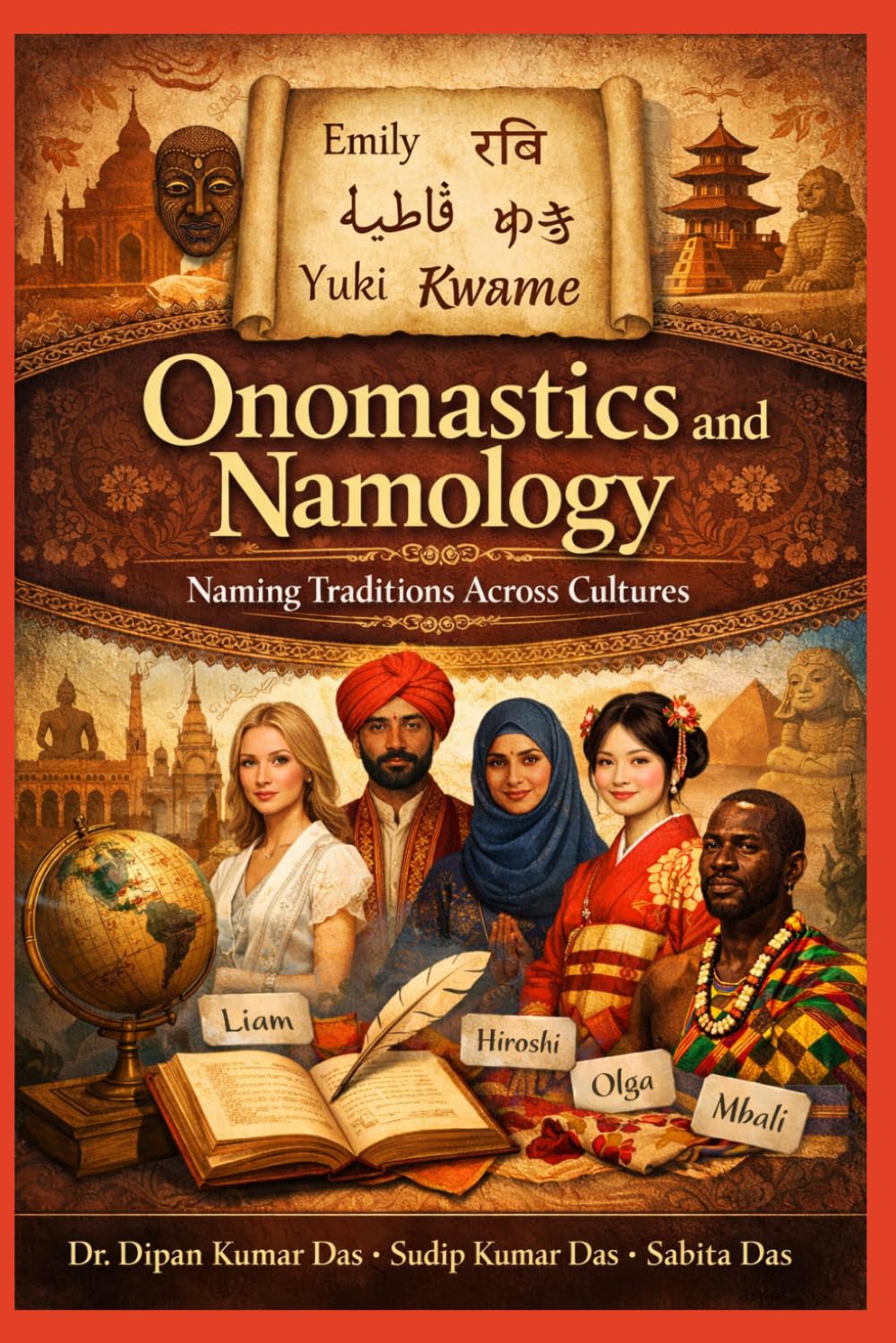



Chapter 1: The Power of Names — More Than Words Names are not mere labels; they are compressed stories. A name can carry ancestry, geography, belief systems, and even aspirations. Across cultures, names act as social keys, unlocking identity and belonging. From ancient tribes to modern digital societies, naming has always been intentional. This chapter introduces onomastics (the study of names) and namology (the philosophy and psychology of naming), setting the stage for a cross-cultural exploration. Chapter 2: Ancient Roots — Naming in Early Civilizations In early civilizations like Mesopotamia, Egypt, and the Indus Valley, names were deeply tied to religion and cosmology. Egyptian names often invoked gods for protection. Sanskrit names encoded virtues and cosmic principles. Greek names reflected mythology and heroism. Chapter 3: Sacred Names — Religion and Spiritual Identity Religion has shaped naming traditions more than any other force. In Hindu traditions, names are often derived from deities or sacred texts. Islamic names frequently reflect attributes of God. Christian names historically honored saints. Chapter 4: Clan, Lineage, and Identity Surnames emerged as societies grew more complex. Patronymic systems (e.g., “son of”) dominate in many cultures. Clan-based naming reinforces collective identity. In some African traditions, names reflect lineage history and events at birth. Chapter 5: Names and Meaning — Linguistic Beauty Across Cultures Names often carry meanings tied to nature, virtues, or emotions. Japanese names may reflect seasons or natural elements. Arabic names often express qualities like wisdom or strength. Indian names frequently derive from Sanskrit roots with layered meanings. Chapter 6: Gender and Naming Norms Naming conventions often encode gender expectations. Some cultures maintain strictly gendered names. Others embrace unisex or fluid naming practices. Modern societies are increasingly challenging traditional norms. Chapter 7: Colonial Influence and Cultural Shifts Colonialism reshaped naming practices worldwide. Indigenous names were often replaced or altered. Western naming systems spread globally. Hybrid names emerged, blending cultures. Chapter 8: Modern Naming Trends — Creativity and Globalization Today’s naming landscape is a kaleidoscope. Unique spellings and invented names are rising. Pop culture influences naming choices. Globalization leads to cross-cultural name adoption. Chapter 9: Digital Identity — Names in the Virtual World In the digital era, names extend beyond birth records. Usernames, handles, and avatars create parallel identities. Online anonymity allows experimentation with naming. Branding and personal identity intersect. Chapter 10: Psychological Impact of Names Names influence perception, behavior, and opportunities. Studies show names can affect hiring decisions. People often internalize meanings associated with their names. Nicknames can reshape identity. Chapter 11: Naming Ceremonies and Rituals Across cultures, naming is celebrated through ritual. Hindu Namkaran ceremonies African naming festivals tied to community Western baptisms Chapter 12: The Future of Naming As societies evolve, so will naming practices. AI-generated names may become common. Cultural blending will create new naming systems. Identity may become more fluid and self-defined. Chapter 13: Conclusion — Names as Living Stories Names are living entities. They travel across time, adapt to cultures, and carry human experiences within them. To study names is to study humanity itself. Every name is a doorway. Step through it, and you enter a world.