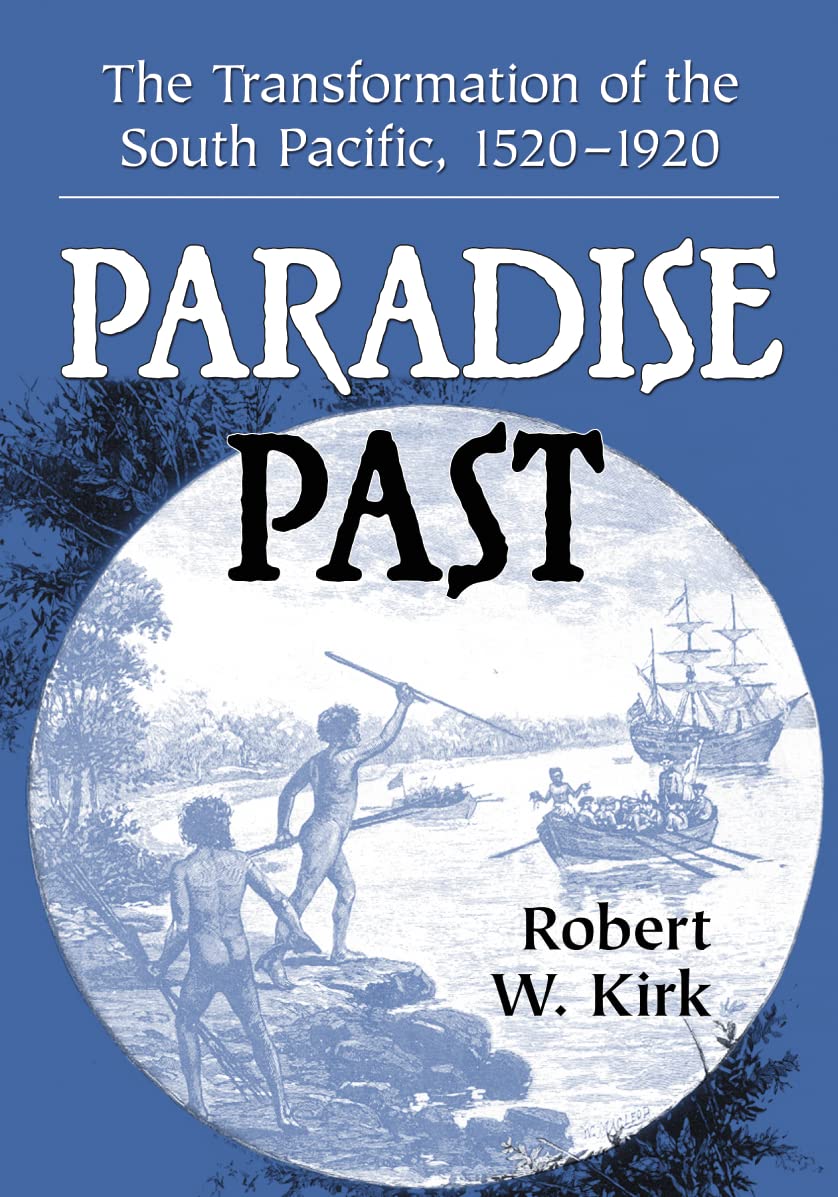



In the 400 years from Magellan's entrance into Pacific waters to 1920, the lives of the people of the South Pacific were utterly transformed. Exotic diseases from Europe and America, particularly the worldwide influenza pandemic, were deadly for islanders. Ardent missionaries changed the belief systems and lives of nearly all Polynesians, Aborigines, and those Papuans and Melanesians living in areas accessible to westerners. By 1920 every island and atoll in the South Seas had been claimed as a colony or protectorate of a power such as Britain, France or the United States. Factors aiding this imperial sweep included European outposts such as Sydney, advances in maritime technology, the work of missionaries, a desire to profit from the area's relatively sparse resources, and international rivalry that led to the scramble for colonies. The coming of westerners, as this book points out, was not entirely negative, as head-hunting, cannibalism, chronic warfare, human sacrifice, and other practices were diminished--but whole cultures were irreversibly changed or even eradicated. In the 400 years from Magellan's entrance into Pacific waters to 1920, the lives of the people of the South Pacific were utterly transformed. Exotic diseases from Europe and America, particularly the worldwide influenza pandemic, were deadly for islanders. Ardent missionaries changed the belief systems and lives of nearly all Polynesians, Aborigines, and those Papuans and Melanesians living in areas accessible to westerners. By 1920 every island and atoll in the South Seas had been claimed as a colony or protectorate of a power such as Britain, France or the United States. Factors aiding this imperial sweep included European outposts such as Sydney, advances in maritime technology, the work of missionaries, a desire to profit from the area's relatively sparse resources, and international rivalry that led to the scramble for colonies. The coming of westerners, as this book points out, was not entirely negative, as head-hunting, cannibalism, chronic warfare, human sacrifice, and other practices were diminished--but whole cultures were irreversibly changed or even eradicated. In the 400 years from Magellan's entrance into Pacific waters to 1920, the lives of the people of the South Pacific were utterly transformed. Exotic diseases from Europe and America, particularly the worldwide influenza pandemic, were deadly for islanders. Ardent missionaries changed the belief systems and lives of nearly all Polynesians, Aborigines, and those Papuans and Melanesians living in areas accessible to westerners. By 1920 every island and atoll in the South Seas had been claimed as a colony or protectorate of a power such as Britain, France or the United States. Factors aiding this imperial sweep included European outposts such as Sydney, advances in maritime technology, the work of missionaries, a desire to profit from the area's relatively sparse resources, and international rivalry that led to the scramble for colonies. The coming of westerners, as this book points out, was not entirely negative, as head-hunting, cannibalism, chronic warfare, human sacrifice, and other practices were diminished--but whole cultures were irreversibly changed or even eradicated. The late Robert W. Kirk wrote on South Pacific history, World War II and travel. He earned a doctorate in history at the University of California, Davis and was a retired professor of history. He lived in Santa Rosa, California. Used Book in Good Condition