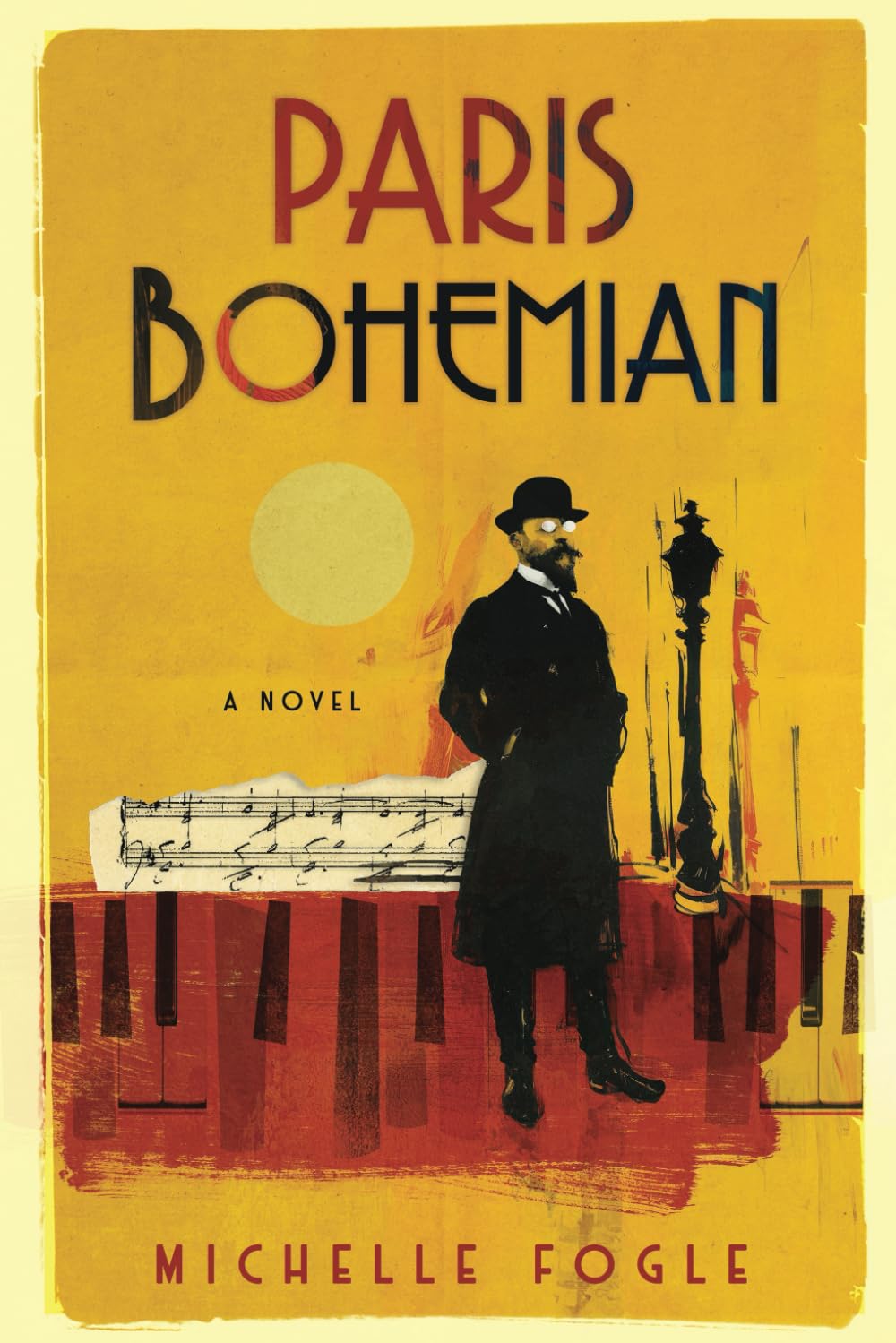



Belle Époque Paris. Two renegade, bohemian composers launch a crusade against the centuries-old musical establishment. Will they falter on the rocks of ridicule or compose a triumph for the ages? In Gilded Age Paris, starving bohemian composer Erik Satie longs to overthrow convention. Expelled from the Conservatoire for his overly unique approach, the frustrated cabaret pianist vows to prove his critics wrong. He finds a kindred spirit in the also floundering Claude Debussy. The duo launches a radical crusade against the entrenched musical order. Enduring ridicule, exclusion from venues, and personal demons, they pioneer an art form steeped in the green haze of Absinthe and mysticism. But success begets envy, corroding their once-unbreakable bond. When Satie suspects Debussy of plagiarism, their alliance morphs into a high-stakes rivalry, with a new generation of musicians picking sides. Amidst Satie's struggles to compose a timeless opus, the tale unfolds against the backdrop of an ever-changing era, the Dreyfus Affair, and the ravages of WWI. Will their legacies echo through time, or be swallowed by the abyss of forgotten brilliance? Paris Bohemian is an exhilarating biographical novel. If you love iconic creative artists, sentiment mixed with humor, and being immersed in bygone eras, then you’ll love Michelle Fogle’s symphony of words. Buy Paris Bohemian and join the musical revolution! "Glittering novel of musical genius in Paris's Belle Époque" - Editor's Pick, Publishers Weekly BookLife Reviews Fogle spins a mesmerizing tale brimming with giants of musical and artistic history during Belle Époque Paris, including composers Claude Debussy and Maurice Ravel alongside artists Pablo Picasso and Henri Toulouse-Lautrec. After washing out of the prestigious Paris Conservatoire, composer Erik Satie redoubles his efforts to break new ground in music, often struggling for money as he attempts to find his place in late 19th-century Paris. When he meets Claude Debussy in an arts-related store, while both are in their 20s and dreaming of success, the two hit it off splendidly. For a while. The relationship that Fogle draws between Satie and Debussy is tumultuous; Debussy achieves wealth and stature first, and Satie believes theirs to be a close, mutual friendship—until he uncovers what he perceives as Debussy's theft of his talent, which he sees as the ultimate betrayal. From there, the connection frays, as Satie endeavors to prove that he has a unique point of view and Debussy seeks to massage his own ego, leading to a rivalry for the ages. Satie's dependence on alcohol slows his trajectory somewhat, but his unmistakable and unwavering talent propels him forward in a way that will leave readers rooting for his success. Expertly drawn supporting characters, especially the mysterious and heartbreaking Suzanne, provide ample support for Fogle's taut plot. Fogle's impeccable research shines through nearly every scene, transporting readers to a Paris illuminated by the gossamer ambition of musical geniuses vying for a chance at the spotlight, and her rich, descriptive prose expertly dissects the Belle Époque era, where the struggles of artists not yet known make them inclined to do anything (within reason) for money. Despite a word misstep here and there, Fogle's writing will beguile readers who enjoy their historical tales cloaked in the messy dealings of reality.