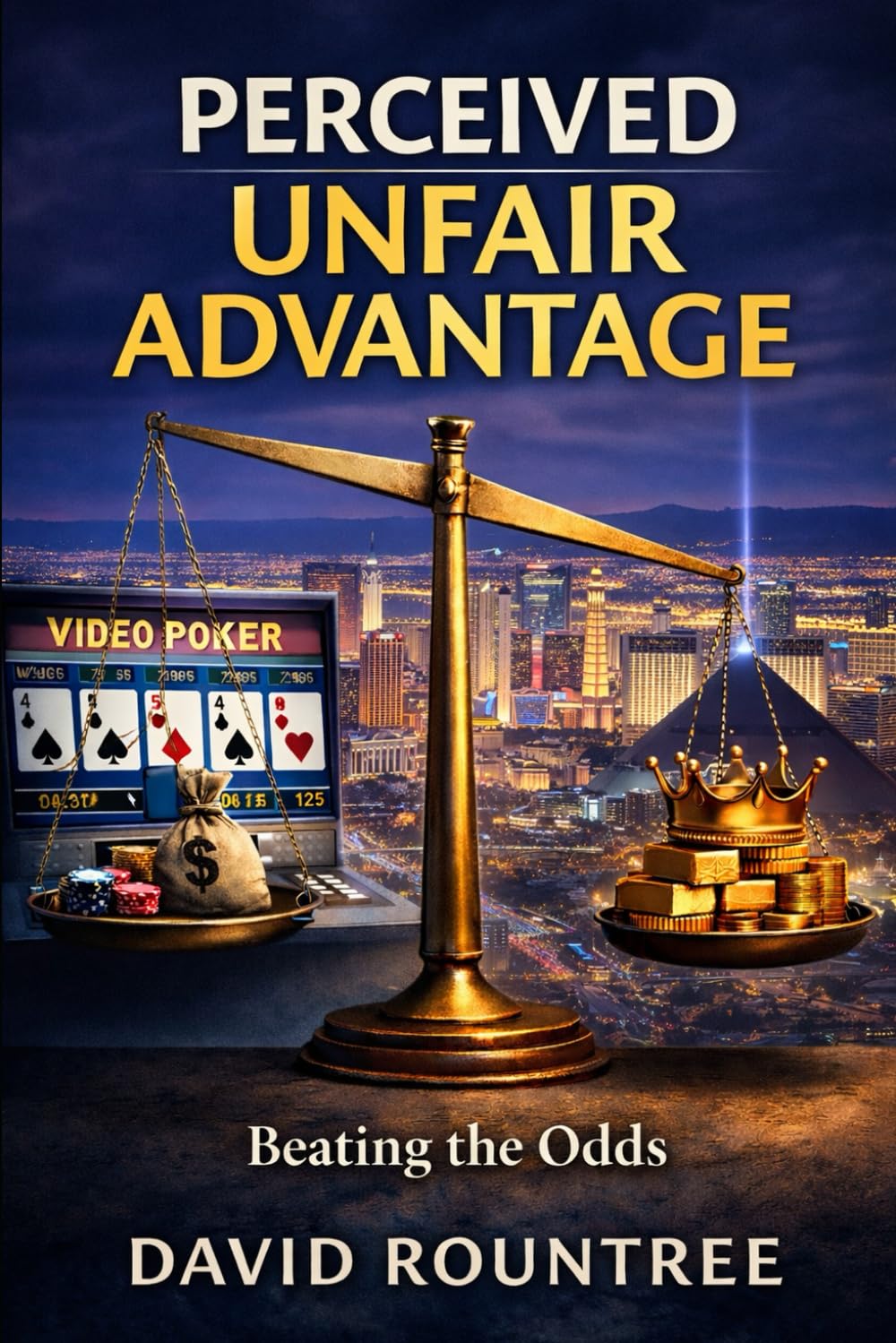



Perceived Unfair Advantage is not a book about cheating. It’s about something far more uncomfortable: what happens when the rules stay the same, but the outcomes don’t. We live in a world that insists success is earned, markets are fair, and systems reward effort. Yet again and again, the same people seem to win, the same institutions recover faster, and the same “unexpected advantages” quietly compound. When questioned, the answer is always the same: nothing illegal happened. Nothing improper occurred. Everything was technically allowed. So why does it feel rigged? This book explores the gray space between fairness and legality, where advantage doesn’t need to be secret to be effective. Through history, finance, technology, sports, politics, and everyday life, it examines how systems create winners long before the game officially begins. Sometimes the advantage is structural. Sometimes it’s cultural. Sometimes it’s timing, access, or simply knowing which rules matter and which ones don’t. Perceived Unfair Advantage does not argue that conspiracies run the world. It argues something more unsettling: that systems can be deeply unfair without anyone breaking them on purpose. And once people sense that imbalance, trust erodes faster than any regulation can repair. Written for curious readers rather than true believers, this book avoids slogans and outrage in favor of clarity, examples, and uncomfortable questions. It does not tell you what to think. It explains why so many people have stopped believing the game is fair. If you’ve ever wondered why outcomes feel predetermined, why “free markets” seem selective, or why fairness is always promised but rarely experienced, this book is for you. Because advantage doesn’t need to be real to matter. It only needs to be perceived.