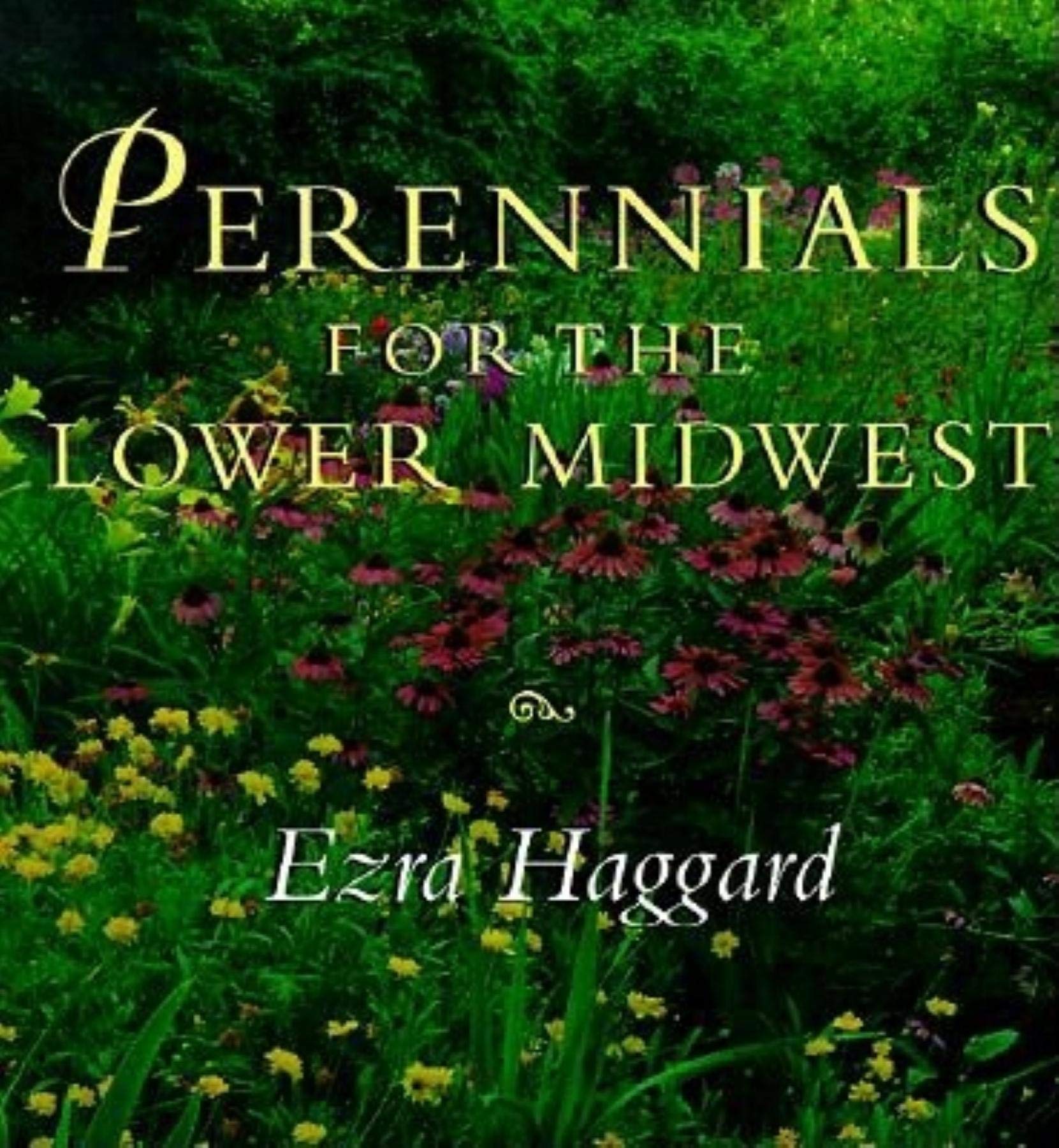



Describes flowers, ferns, grasses, and other plants that grow well in the cold winters and hot summers of the region This well-done directory of perennials suitable for the challenging Lower Midwest region will please beginning and experienced gardeners alike. After 20 years of horticultural experience in the Midwest, Haggard, a garden designer, recommends 101 flowers, ferns, and grasses?including many native plants?selected for their overall appeal, long bloom period, attractive foliage, minimum-care requirements, adaptability to various soil types, and ability to withstand hot summers and erratic winters. Each two-page entry provides a sharp close-up photograph of the plant as well as a larger garden-setting photo. Written in a colloquial manner, the text includes the scientific name (with useful pronunciation key), a description, recommended uses, and suggested companion plants. Haggard carefully alerts the reader to a plant's potential problems, giving practical advice to thwart them. Highly recommended for collections in gardening zones 5 and 6.?Bonnie L. Poquette, Arthur Andersen, Milwaukee Copyright 1997 Reed Business Information, Inc. Garden designer Haggard has written a book for both beginners and experienced gardeners, providing them with an interesting selection of perennials that have proved themselves in the lower Midwest region. These are perennials that can withstand the area's hot summers and the alternating freezing and thawing of its winters--offering good-looking foliage throughout most of the growing season, an extended bloom period, minimum care requirements, and adaptability to various soil types. Accompanying photographs show the plants both close up and in typical garden settings, giving an idea of scale, form, and texture, as well as suggested companion plants. The text offers details of each perennial's size, color, blooming times, soil and sun requirements, and ideas for creating plant combinations and color schemes. George Cohen In this book Lexington garden designer Ezra Haggard presents 101 of his favorite perennials for the challenging Lower Midwest. Some of these can be grown just about anywhere; others should play a more specialized role, such as in problem areas. Some will be familiar; others may come as a surprise. Selecting from among these plants, the gardener can create a base for a new garden or expand an existing one. Haggard's photographs illustrate real gardens, not unattainable dreams. His text is full of practical advice on what to put where for high interest and low maintenance. Both text and photographs are rich in ideas for creating easy and effective plant combinations and color schemes by using the featured plants with annuals, other perennials, shrubs, and trees.