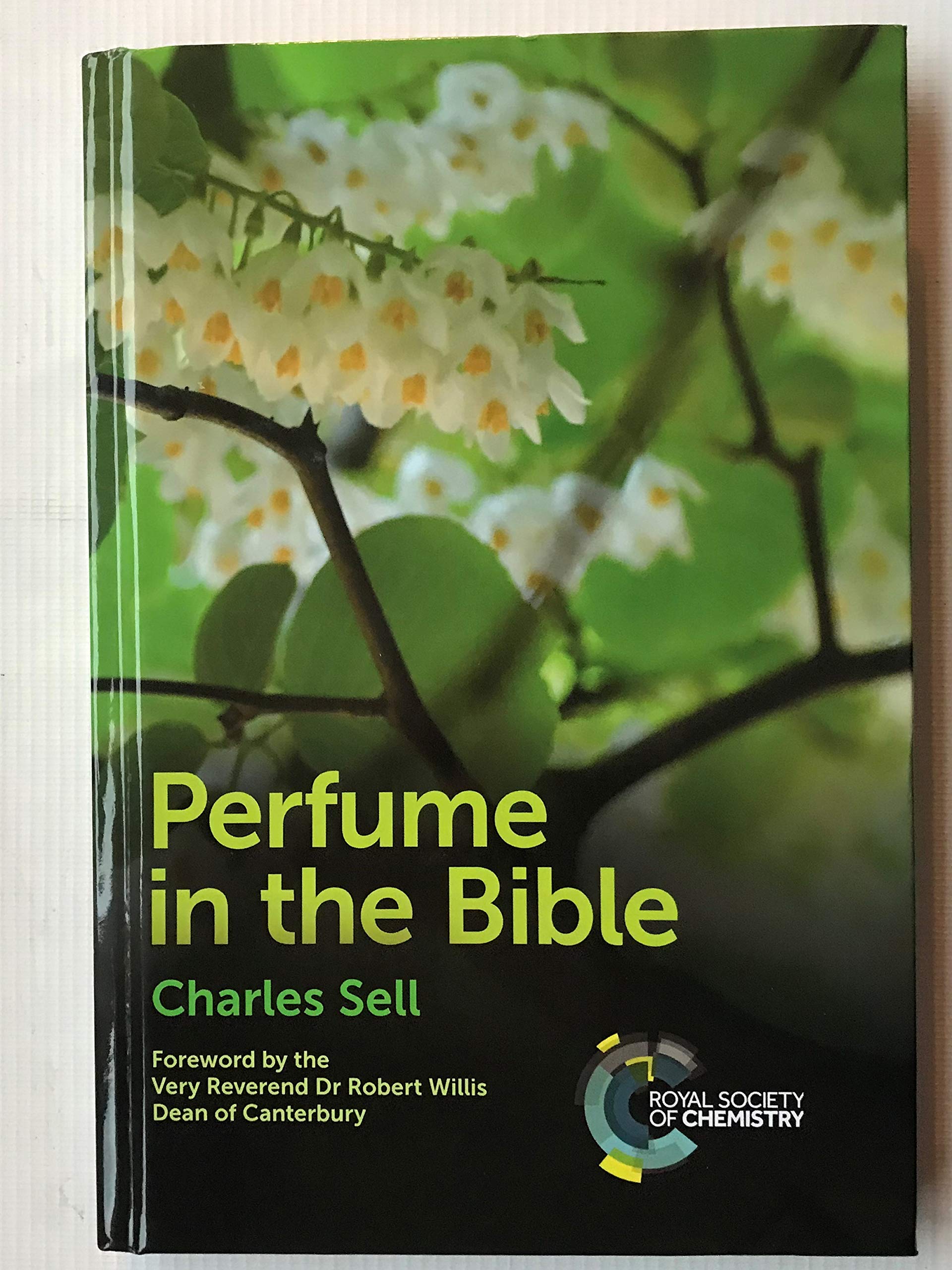



Perfume is part of the biblical text from Genesis through to Revelation, just as perfume pervades our modern life. Identifying the ingredients used in biblical times is difficult when information and meaning is lost in ancient languages. As expected, biblical perfumes were made from natural products but the range employed is surprisingly different from those of modern perfumes. The biblical ingredients are either defensive substances or products of decay, opening up an avenue of speculation as to why this is so. Charles Sell started his research into this area whilst working at Givaudan, the world’s leading manufacturer of perfumes and flavours. The introductory chapter of this book gives a brief outline of the history of the Bible lands, paving the way to understanding the difficulties in identifying exactly which plant sources the original authors meant. Other chapters discuss how plants make chemicals and how the sense of smell functions. The book explores the preparation, storage and uses of perfume, both sacred and secular, and compares and contrasts biblical perfumes with their modern equivalents. It recounts some interesting biblical events involving perfume ranging from courtship through seduction to prostitution and murder. The use of beautiful images from the windows of Canterbury Cathedral, where the author is a guide, illustrate some of the people and events in the biblical accounts and enable visualization of the historical uses of perfumes. The book is aimed at a broad audience and requires no prior specialised knowledge. The subject matter will be of interest to everyone, including chemists and general scientists, historians, those interested in perfumery, those interested in religious studies, and anyone interested in exploring chemistry in the world of art and the creative professions. It is a wide-ranging study in which, in addition to chemistry, Dr Sell examines geographical sources, botany, sensory science, medicine, and the arts. There is even a section on perfume storage. Bottles, interestingly, have survived from before 500 BC, and Isaiah mentions the ownership of perfume bottles as one of the trappings of wealth, along with bracelets, charms, and nose-rings. ― The Church Times It's amazing how often the subject of smell comes up in the Bible, whether it be pleasing odours of sacrifice of Noah or the perfumes of the Song of Songs - and of course that expensive perfume used to anoint Jesus's feet, much to Judas's horror. Dr. Sell takes us on a fascinating journey through both Bible and science, laying bare the mechanism of smell and then seeking to explain how these perfumes (all natural ingredients in those days) were obtained. The evidence is often fragmentary (let's face it, the Bible was never meant to be an instruction in the art of perfume formulation), but Dr. Sell teases out many fascinating details, and augments them with beautiful illustrations using the stained glass windows, particularly those of Canterbury cathedral. A must for anyone interested in perfumery or chemistry. ― Amazon Review Perfume is part of the biblical text from Genesis through to Revelation, just as perfume pervades our modern life. Identifying the ingredients used in biblical times is difficult when information and meaning is lost in ancient languages. As expected, biblical perfumes were made from natural products but the range employed is surprisingly different from those of modern perfumes. The biblical ingredients are either defensive substances or products of decay, opening up an avenue of speculation as to why this is so. Charles Sell started his research into this area whilst working at Givaudan, the world's leading manufacturer of perfumes and flavours. The introductory chapter of this book gives a brief outline of the history of the Bible lands, paving the way to understanding the difficulties in identifying exactly which plant sources the original authors meant. Other chapters discuss how plants make chemicals and how the sense of smell functions. The book explores the preparation, storage and uses of perfume, both sacred and secular, and compares and contrasts biblical perfumes with their modern equivalents. It recounts some interesting biblical events involving perfume ranging from courtship through seduction to prostitution and murder. The use of beautiful images from the windows of Canterbury Cathedral, where the author is a guide, illustrate some of the people and events in the biblical accounts and enable visualization of the historical uses of perfumes. The book is aimed at a broad audience and requires no prior specialised knowledge. The subject matter will be of interest to everyone, including chemists and general scientists, historians, those interested in perfumery, those interested in religious studies, and anyone interested in exploring chemistry in the world of art and the creative professions.