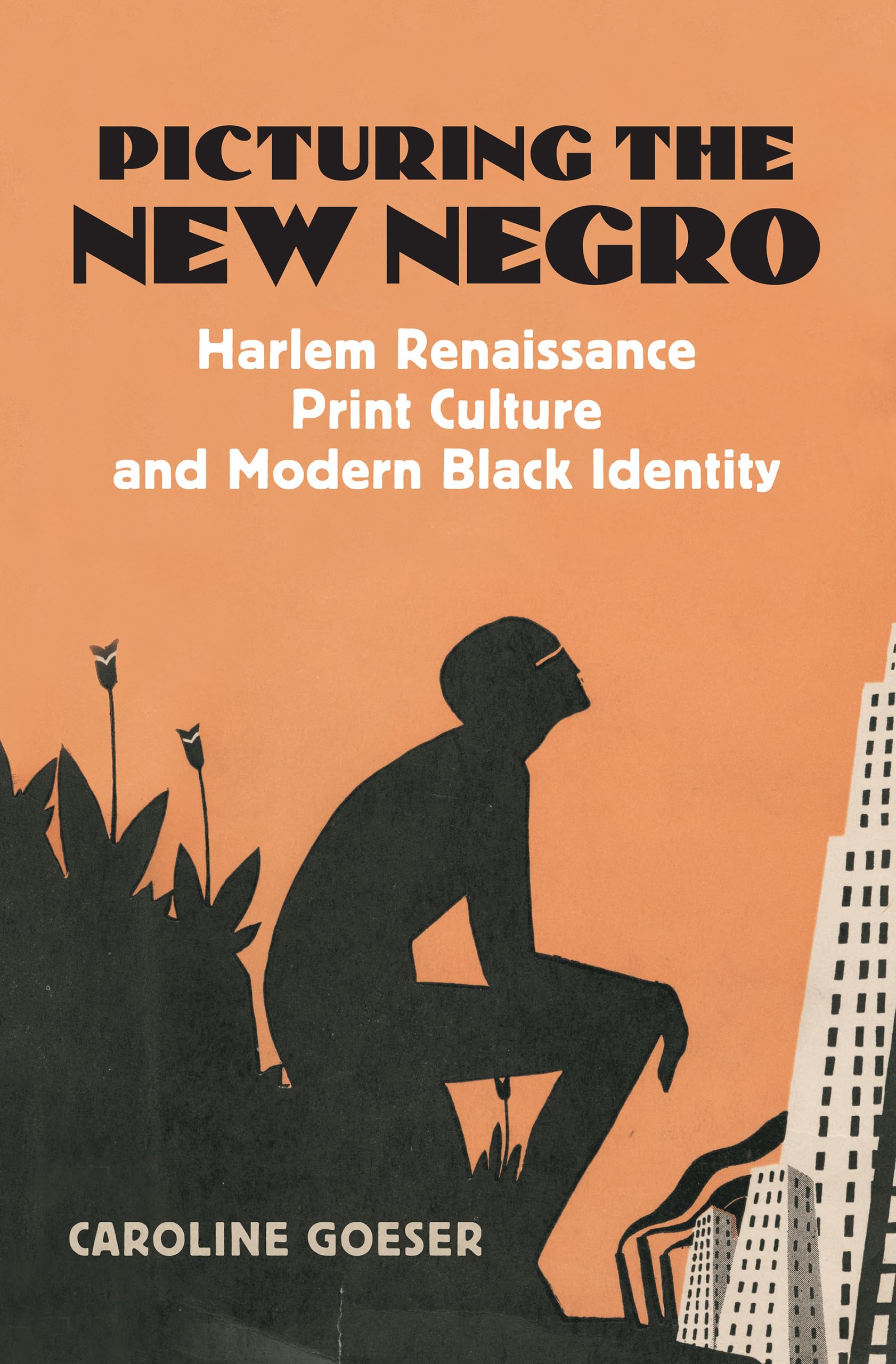
Picturing the New Negro: Harlem Renaissance Print Culture and Modern Black Identity (CultureAmerica)
$27.42
by Caroline Goeser



During the 1920s and 1930s, black artists and writers achieved something totally unprecedented: they created a new image of African Americans that truly reflected their times as well as their history. In so doing, they set the artistic agenda of the Harlem Renaissance and gave form to some of its most compelling visions. This innovative study examines the efforts of Harlem Renaissance artists and writers to create a hybrid expression of black identity that drew on their ancient past while participating in contemporary American culture. Caroline Goeser investigates a critical component of Harlem Renaissance print culture that until now has been largely overlooked, arguing that illustrations became the most timely and often most radical visual products of the movement. This vibrant partnership between literary and visual talents—a trail blazed by artist Aaron Douglas and poet Langston Hughes—resulted in the image of the New Negro, one that remade the African American past in order to foster greater participation in modern American culture and commerce. Illustrations by Douglas, James Wells, Gwendolyn Bennett, and others appeared on covers of books about black American life and in journals such as Opportunity and The Crisis. Goeser considers the strategies that these artists developed to circumvent stereotypes and shows how their work was received within the movement and in mainstream America. Connecting visual imagery with literary text and commercial enterprise, these illustrations participated in the modern economy in ways that painting and sculpture could not. Goeser reveals how Harlem Renaissance illustrators depicted the wide-ranging and sometimes conflicting ideas about black identity held within the community: African roots and Egyptian heritage, racial uplift and gay pride. She shows how some artists revisited the Judeo-Christian tradition by portraying a black Adam and Jesus, and examines the interdependent relationships between race and sexuality in the work of artists Richard Bruce Nugent and Charles Cullen, the former black, the latter white. Goeser clearly shows that, contrary to common belief, the visual image of the New Negro was created by African Americans, for African Americans. Her work assigns a central role to black artists as cultural innovators intimately involved with the construction of identity and new expressive paradigms and is a new touchstone in understanding both the emergence of black identity and American culture between the world wars. "This important work . . . [is] replete with gorgeous, well-selected images, many familiar to readers of Harlem Renaissance studies, but placed here in fresh contexts. The book is not aimed strictly at readers seeking a new take on the Harlem Renaissance, but more generally, it is useful for those who desire some insight into the world of illustration and race. . . . Ultimately [the book is] a marvelous catalogue of information and iconograpy that goes beyond the chronological and ideological boundaries of the Harlem Renaissance. . . . Carefully researched, this book contains stories within stories. . . . "— Modernism "Goeser’s analysis makes an important contribution to our understanding of visual content in the early twentieth century African-American print culture and the political empowerment it offered to an emerging community of artists."— Journalism History "A welcome addition to work on the visual arts in the Harlem Renaissance by such scholars as Richard Powell and Martha Nadell. It makes a convincing case for the importance of the print media in the circulation of black art and in the promotion of such important artists and cultural organizers as Douglas, Bennett, Wells, and Nugent in their work to make modern (and modernist) black visual art."— American Historical Review "Goeser offers an important contribution to art history because it contains the first in-depth examination of African American illustration. . . . There are new, significant readings of Bruce Nugent’s visual art in relation to his writing, and Goeser provides a fascinating window onto the interractial partnerships among illustrators, editors, and authors at both Knopf and Harper during that time."— Choice “Goeser makes a persuasive case for illustration as the primary form of New Negro visual expression. Her careful analysis is supported by a wide range of texts, including an extraordinary pool of images brought together here for the first time. . . . An extremely important and original contribution to the understanding of visual culture in the Harlem Renaissance.”— Mary Ann Calo , author of Bernard Berenson and the Twentieth Century “Goeser sensitively analyzes a diverse array of vibrant stylistic innovations that associated blackness with ideals of strength, beauty, and creative energy. Thoroughly researched and beautifully written, her compelling book makes a major contribution to the literature on twentieth-century African American and American art.”— He