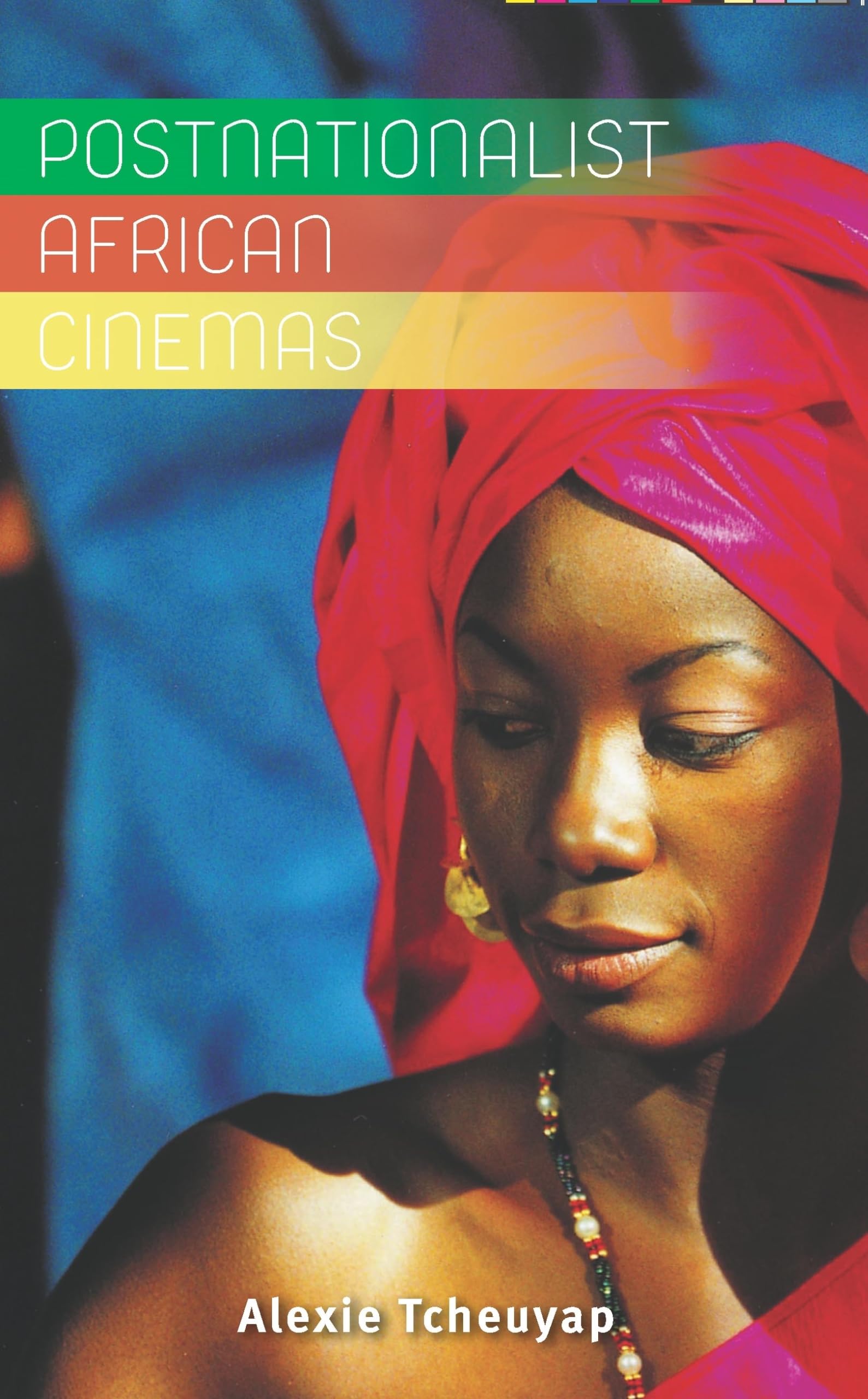



Postnationalist African cinemas convincingly interrogates the ways in which African narratives locate postcolonial identities and forms beyond essentially nationalist frameworks. It investigates how the emergence of new genres, discourses and representations, all unrelated to an overtly nationalist project, influences the formal choices made by contemporary directors. By foregrounding the narrative, generic, discursive, representational and aesthetic structures of films, this book shows how directors are beginning to regard film as a popular form of entertainment rather than political praxis. Tcheuyap investigates filmic genres such as comedy, dance, crime and epic alongside cultural aspects including witchcraft, sexuality, pornography and oracles. Postnationalist African cinemas convincingly interrogates the ways in which African narratives locate postcolonial identities and forms beyond essentially nationalist frameworks. It investigates how the emergence of new genres, discourses and representations, all unrelated to an overtly nationalist project, influences the formal choices made by contemporary directors. By foregrounding the narrative, generic, discursive, representational and aesthetic structures of films, this book shows how directors are beginning to regard film as a popular form of entertainment rather than political praxis. Tcheuyap investigates filmic genres such as comedy, dance, crime and epic alongside cultural aspects including witchcraft, sexuality, pornography and oracles. This book examines the benefits and limits of cultural nationalism, and describes the preliminary steps taken by contemporary filmmakers in order to establish a new popular African cinema. Postnationalist African cinemas convincingly interrogates the ways in which African narratives locate postcolonial identities and forms beyond essentially nationalist frameworks. It investigates how the emergence of new genres, discourses and representations, all unrelated to an overtly nationalist project, influences the formal choices made by contemporary directors. By foregrounding the narrative, generic, discursive, representational and aesthetic structures of films, this book shows how directors are beginning to regard film as a popular form of entertainment rather than political praxis. Tcheuyap investigates filmic genres such as comedy, dance, crime and epic alongside cultural aspects including witchcraft, sexuality, pornography and oracles. Postnationalist African cinemas convincingly interrogates the ways in which African narratives locate postcolonial identities and forms beyond essentially nationalist frameworks. It investigates how the emergence of new genres, discourses and representations, all unrelated to an overtly nationalist project, influences the formal choices made by contemporary directors. By foregrounding the narrative, generic, discursive, representational and aesthetic structures of films, this book shows how directors are beginning to regard film as a popular form of entertainment rather than political praxis. Tcheuyap investigates filmic genres such as comedy, dance, crime and epic alongside cultural aspects including witchcraft, sexuality, pornography and oracles. Alexie Tcheuyap is Professor of French and Francophone Studies at the University of Toronto Used Book in Good Condition