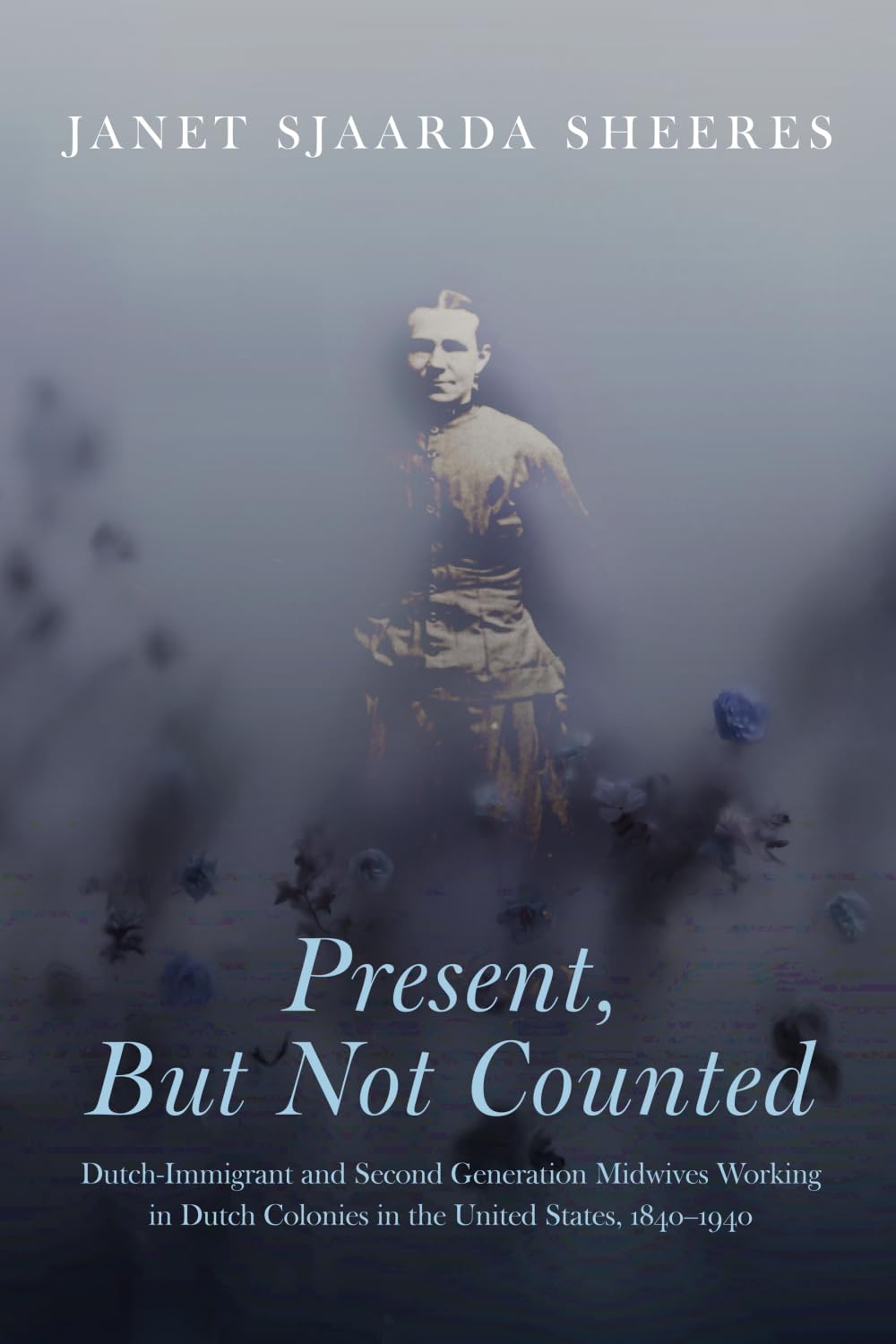
Present, but Not Counted: Dutch-Immigrant and Second Generation Midwives Working in Dutch Colonies in the United States, 1840-1940
$25.00
by Janet Sjaarda Sheeres



As new arrivals to the early Dutch colonies of the United States, Dutch-immigrant women, unable to speak the language, were often without adequate obstetrical care and unable financially to hire a doctor. Janet Sjaarda Sheeres here records the lives of over one hundred Dutch-immigrant women who overcame hard circumstances to work as midwives, delivering the babies of other Dutch immigrants, often living in primitive conditions—sod houses on the prairies and log cabins in forests without electricity, heat, or plumbing—while the medical community constantly sidelined them as ignorant and unprofessional. Despite their vital work, the stories of these heroic women have largely been left out of the Netherlanders-to-America immigration history. A Dutch immigrant herself, Sheeres has conducted extensive research—using archives and libraries; genealogical and historical societies that hold census data, civil registry data, church membership records, and passenger records; and information from the descendants themselves of the early midwives. The results probably do not do justice to the many women who engaged in midwifery, but they do give us the identities and stories of nearly one hundred Dutch-born immigrant women and a dozen second-generation women. Also included are a number of Dutch-born immigrant women who worked as baaksters (maternity nurses). This book is divided into two parts: part 1 has nine chapters that cover some of the history of midwifery in the Netherlands and the United States, and part 2 contains three directories of midwives, telling many of their stories.