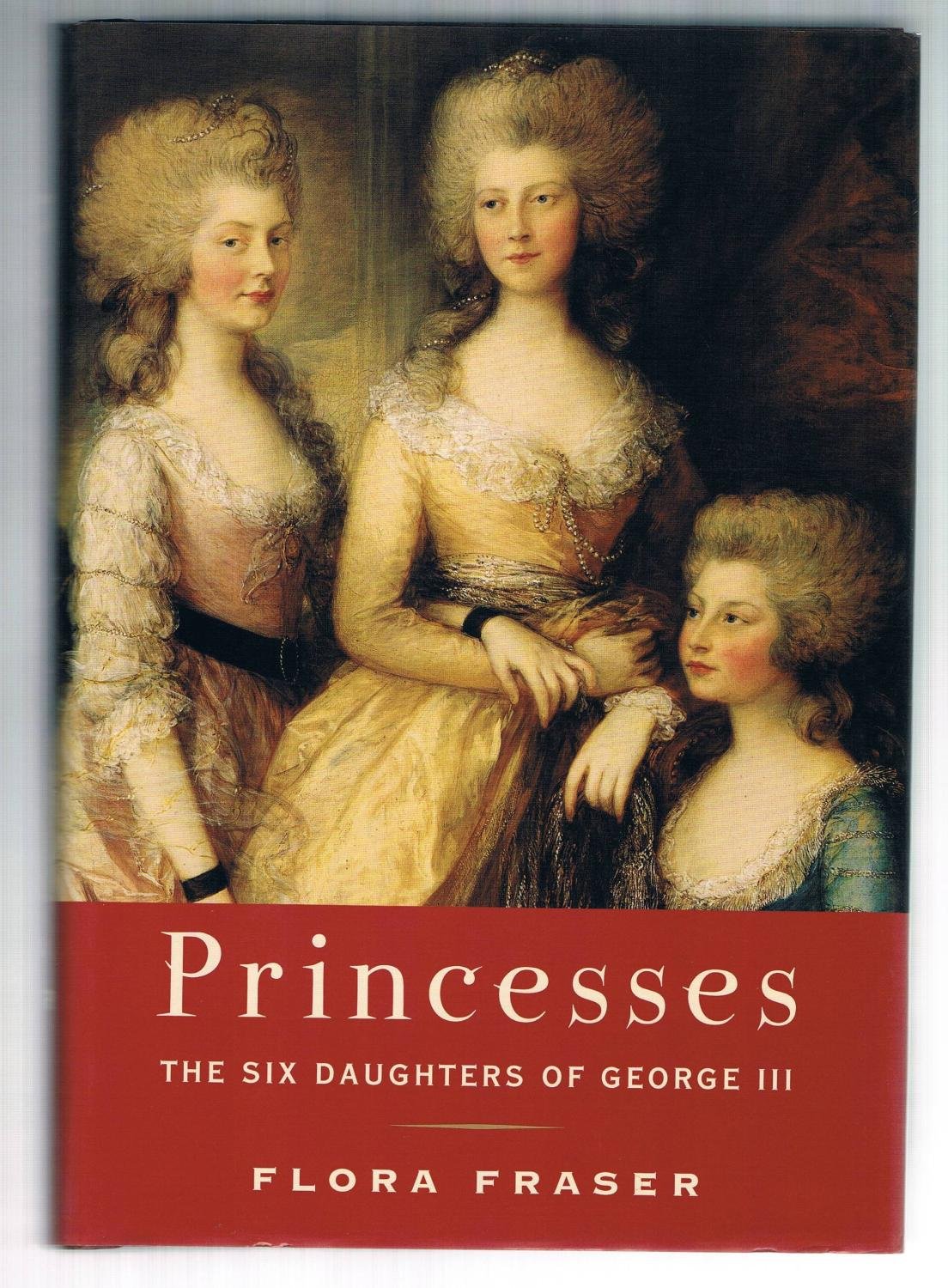



From acclaimed biographer Flora Fraser, a brilliant group biography of the six daughters of “Mad” King George III. Fraser takes us into the heart of the British royal family during the tumultuous period of the American and French revolutions and beyond, illuminating the complicated lives of these exceptional women: Princess Royal, the eldest, constantly at odds with her mother; home-loving, family-minded Augusta; plump Elizabeth, a gifted amateur artist; Mary, the bland beauty of the family; Sophia, emotional and prone to take refuge in illness; and Amelia, “the most turbulent and tempestuous of all the Princesses.” Weaving together letters and historical accounts, Fraser re-creates their world in all its frustrations and excitements. The six sisters, though handsome, accomplished and extremely well educated, were kept from marrying by George III, and Fraser describes how they remained subject to their father for many years, while he teetered on the brink of mental collapse. The King may have believed that his six daughters were happy to live celibately at Windsor, but secretly, as Fraser’s absorbing narrative of royal repression and sexual license shows, the sisters enjoyed startling freedom. Several of them, torn between love for their ailing father and longing for independence, forged their own scandalous and subversive lives within the castle walls. With a discerning eye for psychological detail and a keen feminist sensibility, Fraser delves into these clandestine love affairs, revealing the truth about Sophia’s illegitimate baby; examining Amelia's intimate correspondence with her soldier-lover; and investigating the eventual marriages of Princesses Royal, Elizabeth and Mary. Never before has the historical searchlight been turned with such sympathy and acuity on George III and his family. With unparalleled access to royal and private family papers, Flora Fraser has created a revelatory portrait of six fascinating women and their place in history. Henry VIII had six wives, but George III had as many daughters, and the half-dozen female offspring of that long-reigning and ever-productive king (who also fathered nine sons) are the collective subject of this greatly involving biography by the author of The Unruly Queen (1996), a well-respected chronicle of George III's daughter-in-law, Queen Caroline. The reader may find it difficult at first to keep straight all the princesses, their names, their individual personalities, and their place in the lineup of siblings but soon will comfortably ease into Fraser's expansive, leisurely, but certainly not dawdling narrative, which opens into a rich tapestry of sheltered lives and parental restrictions. Fraser, in her immaculately professional manner, gives ample evidence of how the king's possessiveness toward his daughters, as well as the effect of his disastrous physical and mental breakdown on not only the country but also the royal household, channeled each of the six princesses into "subversive behavior and even acts of desperation." Brad Hooper Copyright © American Library Association. All rights reserved “A rich and richly hued Regency tale. . . . Fraser is splendidly at home in the 18th century.” – The New York Times Book Review “Remarkably intimate. . . . Full and revealing. . . . Princesses opens an invaluable new window into the often troubled private world of these royal women.” – Los Angeles Times “Riveting and wonderfully detailed. . . . Thanks to Flora Fraser’s new book, George III’s daughters can step out of the shadows of history and take their rightful places with the rest of the House of Hanover.” – The Washington Times “Memorable. . . . Compelling and poignant. . . . With elegant felicity, Fraser paints a picture out of Jane Austen.” – Vogue From the Trade Paperback edition. Flora Fraser is the author of biographies of Emma Hamilton, Beloved Emma, and Queen Caroline, The Unruly Queen . She lives in London with her husband and three children. Flora Fraser’s Beloved Emma is available in Anchor paperback. Chapter 1 Early Days Towards the end of September 1766 the Prince of Wales, who was only four, told a lady at Court that “about next week” he reckoned they should have “a little princess.” George Augustus Frederick, the eldest son of King George III and Queen Charlotte, was known to be precocious. His mother’s Mistress of the Robes called him “the forwardest child in understanding” that she ever saw. And so, far from doubting the child’s prediction, his confidante, Lady Mary Coke, added in her journal, “I find the King and Queen are very desirous it should be one [a girl] and hope they shall have no more sons.” The additional information probably issued from Lady Mary’s friend Lady Charlotte Finch, who had been appointed royal governess the day after the Prince of Wales’s birth on 12 August 1762. Lady Charlotte and her deputy, or sub-governess, Mrs. Cotesworth had since received into the nursery establishment two